

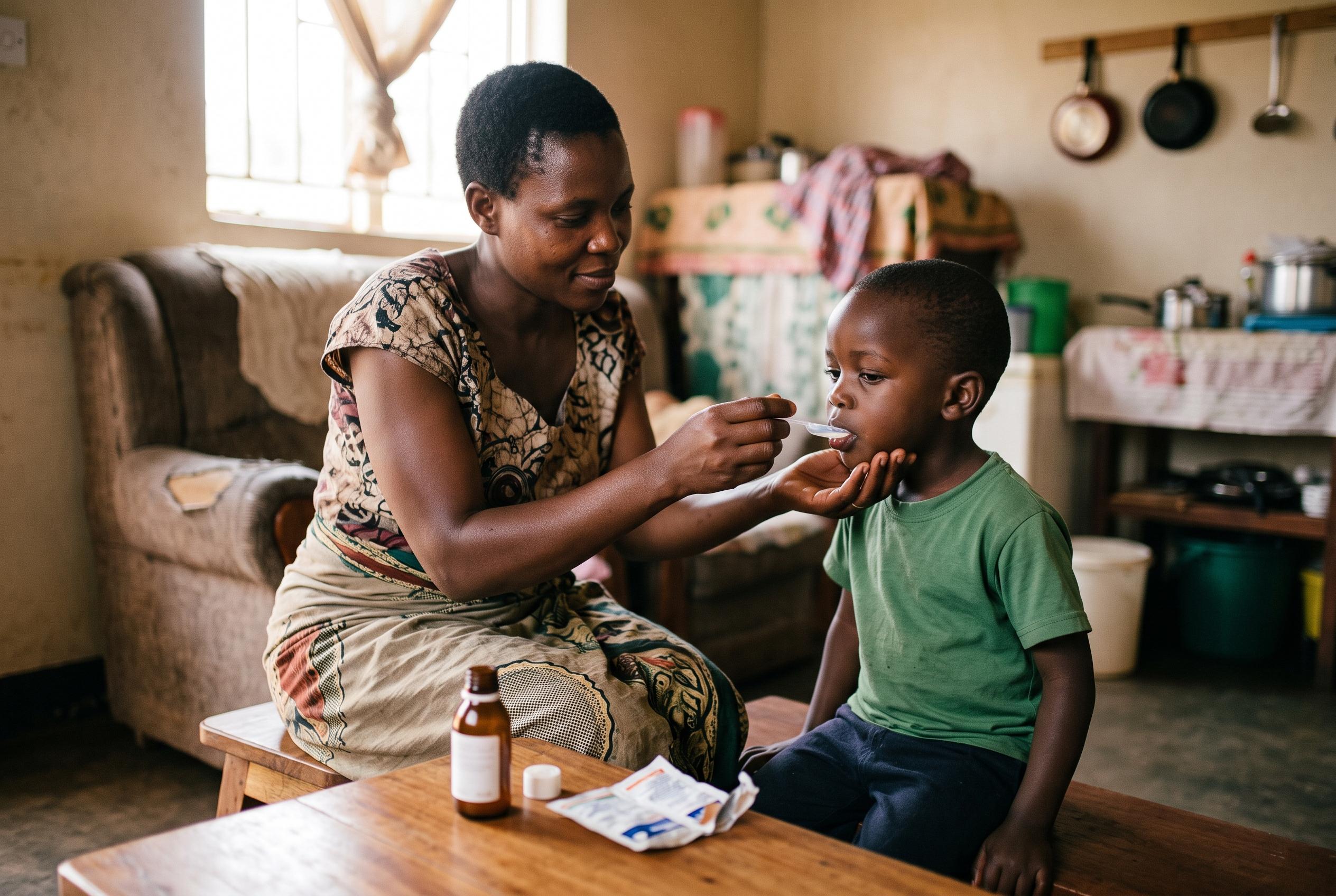

A trial in Uganda indicates daily zinc supplements may significantly lower infection rates in young children with sickle cell anaemia, potentially shaping future care strategies pending larger studies.
Researchers in Uganda have reported that a daily zinc supplement may help cut infections in young children with sickle cell anaemia, adding fresh evidence to a long-running debate over whether the mineral should play a bigger role in care. In a randomised trial published in JAMA, children aged one to just under five who received 20 mg of zinc sulphate each day for six months had fewer infections than those given placebo, and the treatment was well tolerated.
The study enrolled 100 children at Jinja Regional Referral Hospital, all of whom were followed through the full study period. According to the JAMA report, the zinc group recorded 80 infections over six months, compared with 124 in the placebo group. After adjustment for age, sex and hydroxyurea use, zinc was linked with a 38% lower infection rate. No adverse events led to stopping treatment in either group.
The findings build on earlier evidence that children with sickle cell disease often have low zinc levels, but they also sit alongside more mixed trial data. A 2023 placebo-controlled study in Uganda using a lower 10 mg dose found no clear reduction in severe or invasive infections, while older studies in JAMA and JAMA Pediatrics showed zinc deficiency was common in people with sickle cell disease and that prolonged supplementation can sometimes lower copper levels. The authors of the new trial say larger studies across multiple sites are needed before the approach can be adopted more widely.
Disclaimer: This content is for informational purposes only and is not intended to be a substitute for professional medical judgment, advice, diagnosis, or treatment.


