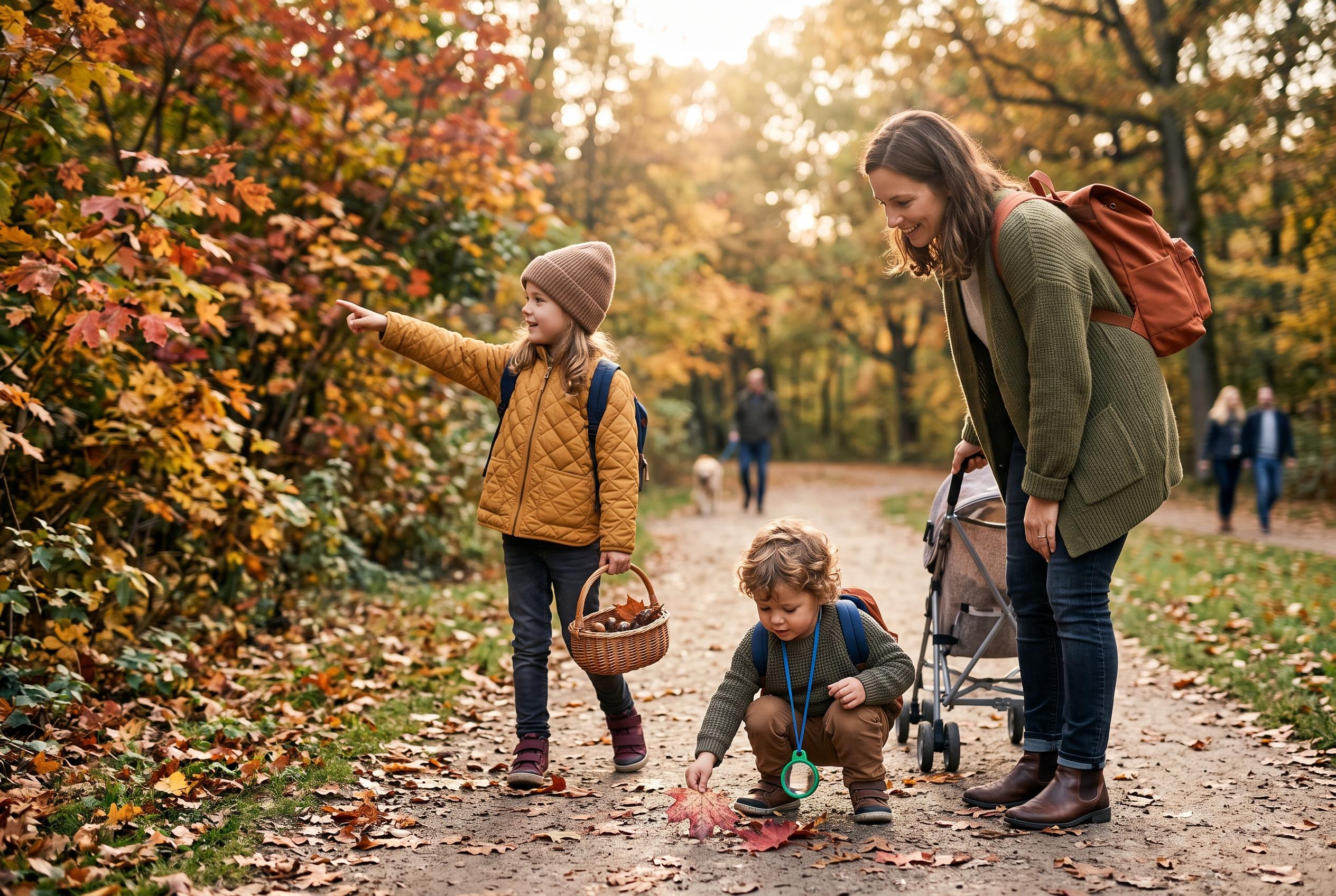

As families rush into the autumn season, experts suggest embracing a slower approach that allows children to connect with nature, observe seasonal changes, and find joy in small moments rather than structured activities.
September has a way of tempting families to fast-forward into autumn, even before the season has fully arrived. The first cool morning can be enough to pull out the books, talk about pumpkins and start filling the calendar with outings. But the better lesson, as one parent writer reflects, may be to let the season unfold at its own pace.
That slower approach fits what child-development experts have long observed. National Geographic has reported on the value of unstructured outdoor play, noting that children build resilience, practise problem-solving and learn to manage risk when they are allowed to explore on their own terms. The Center for Early Education and Development at the University of Minnesota says time in nature can support physical, cognitive, emotional and social growth, while also helping children form a lasting connection with the natural world. In other words, a walk without a plan can still be full of learning.
Autumn is especially rich for that kind of noticing. A child may spot the first yellow leaf, feel the air turn cooler or stop to study an acorn long before an adult sees the season changing. The American Montessori Society has described autumn as a useful lesson in cycles and interdependence, with fallen leaves, soil and seeds all part of a larger pattern. That perspective echoes the quiet wisdom of slowing down: children do not need a perfect seasonal schedule, but room to observe, wonder and return to what catches their attention.
Research and family guidance also point to the value of routine. The Family Resource Centers of Columbia County says predictable autumn rhythms can help children feel secure and ready to learn, while simple nature-based activities such as collecting leaves or walking a familiar path can strengthen observation and early scientific thinking. A recent study in the Early Childhood Education Journal likewise found that seasonal conditions shape how children move and play outdoors, underscoring that autumn offers its own physical opportunities as well as its own sights and sounds.
The practical message for parents is straightforward: plan the pumpkin patch visit if you wish, but do not rush past the small moments that are already available. A child kneeling to inspect a leaf, asking why one tree has changed and another has not, or gathering a pocketful of natural treasures may be making the season feel more deeply than any packed itinerary could. Autumn does not need to be manufactured. It can simply be noticed.
Disclaimer: This content is for informational purposes only and is not intended to be a substitute for professional medical judgment, advice, diagnosis, or treatment.