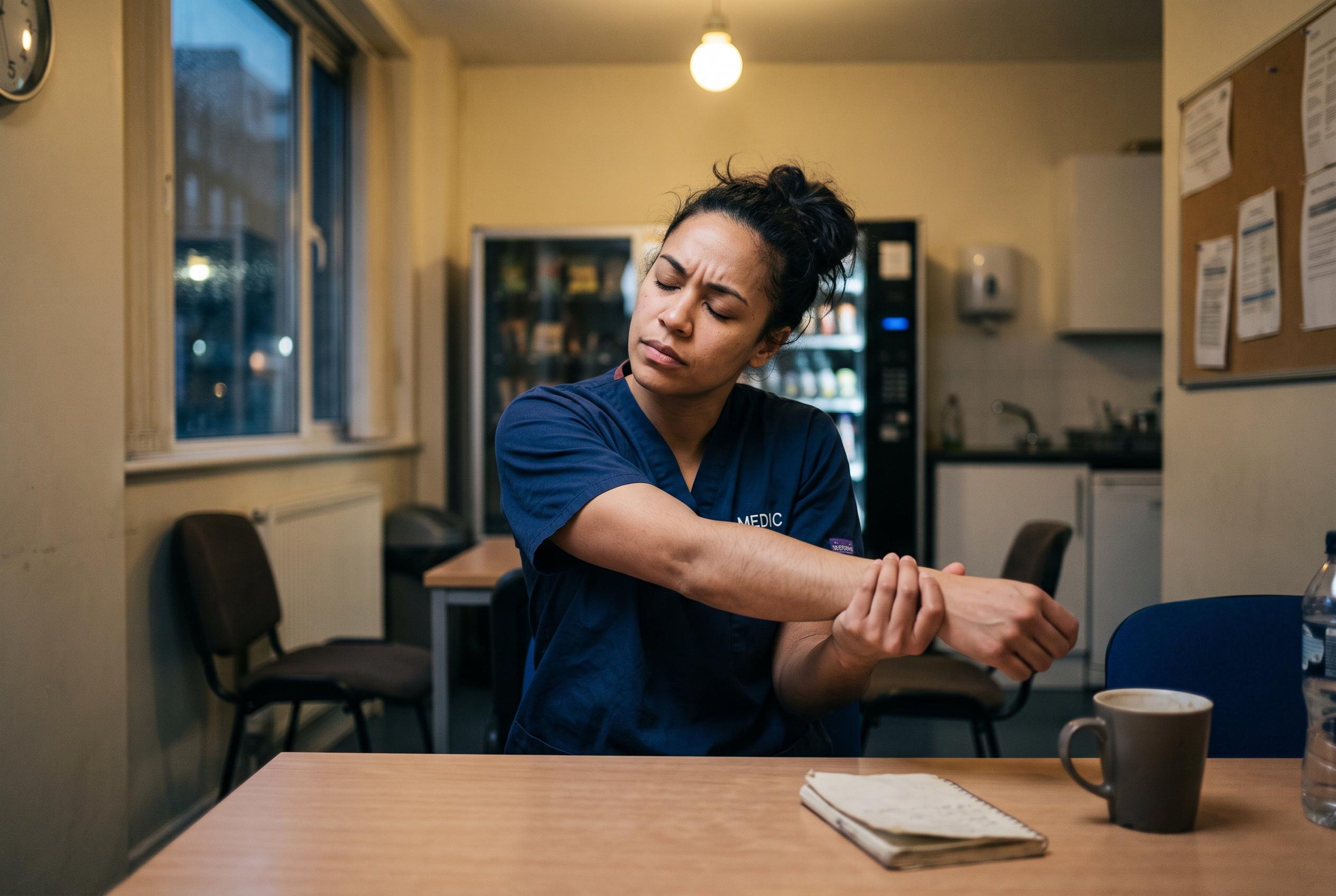

A 20-minute workout may support memory and concentration as effectively as a nap after a sleepless night, according to McGill University research, offering a practical option for shift workers and emergency personnel.
A short burst of exercise may help the brain cope after a sleepless night, according to research from McGill University that suggests a 20-minute workout can support memory almost as well as a longer nap. The study, published in the Proceedings of the National Academy of Sciences, tested whether movement or rest offered a better buffer against the effects of sleep loss.
The experiment involved 54 healthy young adults who were kept awake for 30 hours under laboratory supervision. After that, they were split into three groups: one completed 20 minutes of cycling, one took a 90-minute nap and one stayed seated on the bike without exercising. When memory was checked three days later, both the nap group and the exercise group performed markedly better than the control group, with results of roughly 22% and 21% higher, respectively, according to McGill. Researchers said the gap between the two was not statistically significant.
The findings point to different effects on the brain. McGill said sleep appeared to help the brain recover and prepare for new information, while exercise seemed to make better use of the mental resources that remained after sleep deprivation. The university also noted that the results may be useful in settings where fatigue is common and errors can have serious consequences, including health care, transport and emergency response.
Still, the researchers stressed that a workout is no substitute for sleep. They said that if rest is possible, it should come first. But when sleep is out of reach, even a brisk walk or a short ride on a bike may offer a temporary lift to memory and concentration, particularly for shift workers, doctors, pilots and parents caring for young children.
Disclaimer: This content is for informational purposes only and is not intended to be a substitute for professional medical judgment, advice, diagnosis, or treatment.