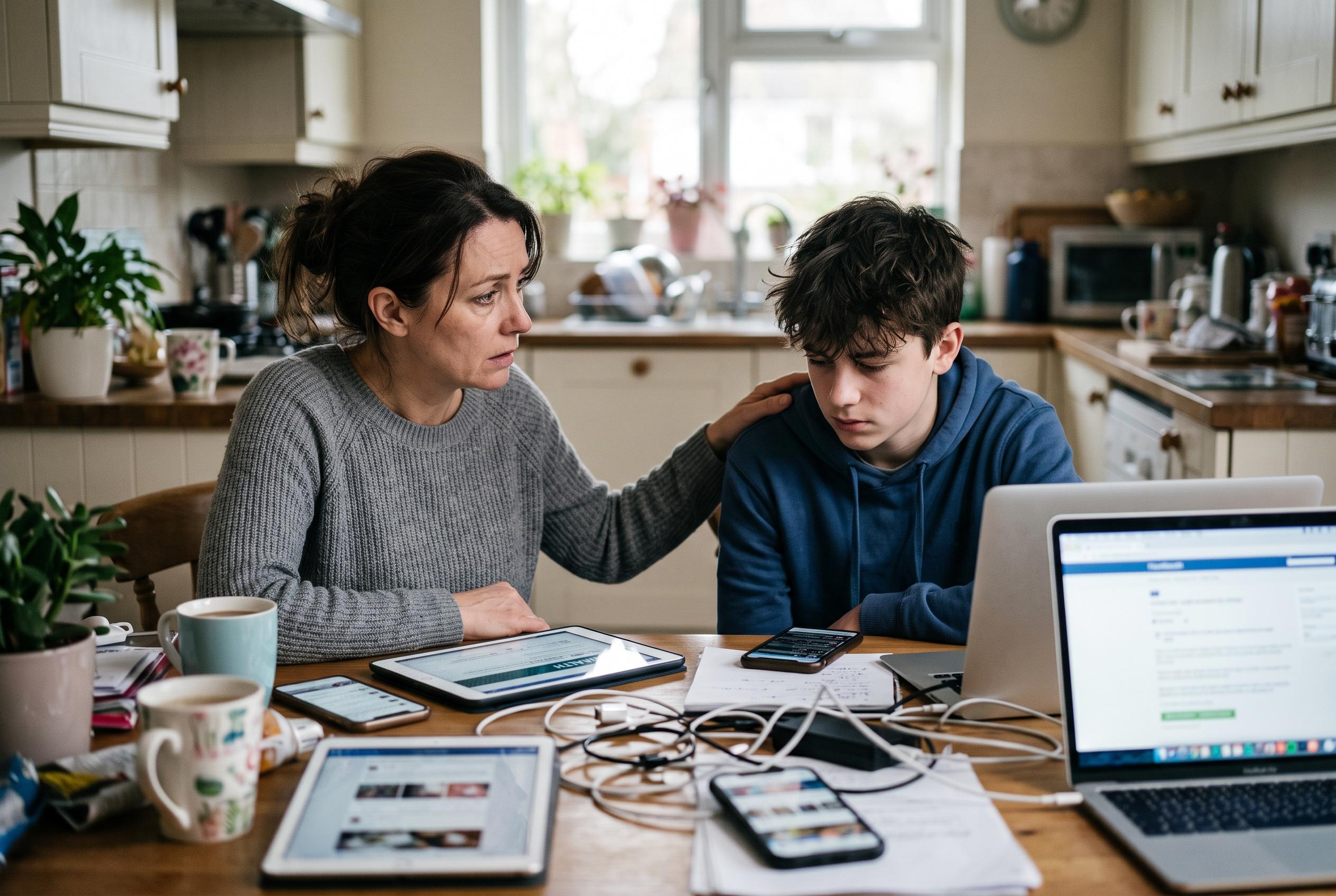

While social media has enhanced access to mental health information for young people, health experts warn that online content can blur the lines between awareness and self-diagnosis, risking misinterpretation and delayed treatment for ADHD and other conditions.
Social media has made it easier than ever for young people to find information about mental health, but health specialists warn that the same platforms can also blur the line between awareness and self-diagnosis. A quick video, a list of symptoms and a few moments of reflection can be enough for a teenager to start wondering whether ordinary forgetfulness, restlessness or difficulty focusing means Attention-Deficit/Hyperactivity Disorder.
Doctors quoted in the lead report said that this habit is risky because ADHD cannot be identified from a short clip or a general checklist. Proper assessment depends on a fuller picture: how long symptoms have been present, how severe they are and whether they interfere with school, relationships or daily life. Mental-health writing from other outlets makes the same point, warning that online self-diagnosis can lead people to misread symptoms, miss other causes and pursue the wrong treatment.
The concern is not that online discussion of ADHD is harmful in itself. In fact, broader public conversation can reduce stigma and encourage people who have struggled for years to seek help. But psychologists and mental-health commentators have noted that highly relatable content on platforms such as TikTok can make users feel certain they have a condition when they may simply recognise a few universal experiences, such as distraction, procrastination or emotional stress.
That risk matters because ADHD is common, but it is also complex. The United States Centres for Disease Control and Prevention says about 7 million children aged three to 17 have a current ADHD diagnosis, and boys are more likely to be diagnosed than girls. Other medical reporting has noted that girls are often identified less frequently, in part because symptoms may look different and can be overlooked. Polyclinic spokesperson Dr Jabbar Bhutto, speaking to APP, said around 50 to 60 per cent of people with ADHD may also have another condition, including learning disorders or behavioural and mental-health difficulties, which makes proper evaluation even more important.
Dr Naveed Ashraf, head of paediatrics at Polyclinic, told APP that ADHD can involve persistent inattention, excess activity, impulsive behaviour and problems with organisation or finishing tasks. He cautioned that occasional lapses in concentration or restlessness are not enough to draw conclusions, because symptoms must be judged against a child’s age, development and everyday functioning. He also warned parents not to rely on social-media videos or online symptom checklists when trying to understand a child’s behaviour.
The same caution applies to treatment claims. Another specialist quoted in the lead report urged young people not to base health decisions on testimonials or viral posts. Mental-health writers have similarly warned that social-media self-diagnosis can lead to delayed care, inappropriate self-treatment and a fixed identity built around an unverified label. That is especially troubling when a person may actually be dealing with anxiety, sleep loss, stress or another underlying issue that needs a different response.
For young people, the message is simple: awareness is useful, but a relatable video is not a diagnosis. For parents and teachers, the practical response is to avoid both extremes, whether that means dismissing persistent difficulties as laziness or assuming that an internet checklist can replace a clinician’s judgement. If attention, behaviour or learning problems continue to interfere with daily life, a qualified professional can help identify what is really going on and guide the right support.
Disclaimer: This content is for informational purposes only and is not intended to be a substitute for professional medical judgment, advice, diagnosis, or treatment.