
Snoring and breathing pauses in children may signal obstructive sleep apnoea, a condition increasingly associated with rising childhood obesity and environmental factors, demanding greater clinical vigilance.
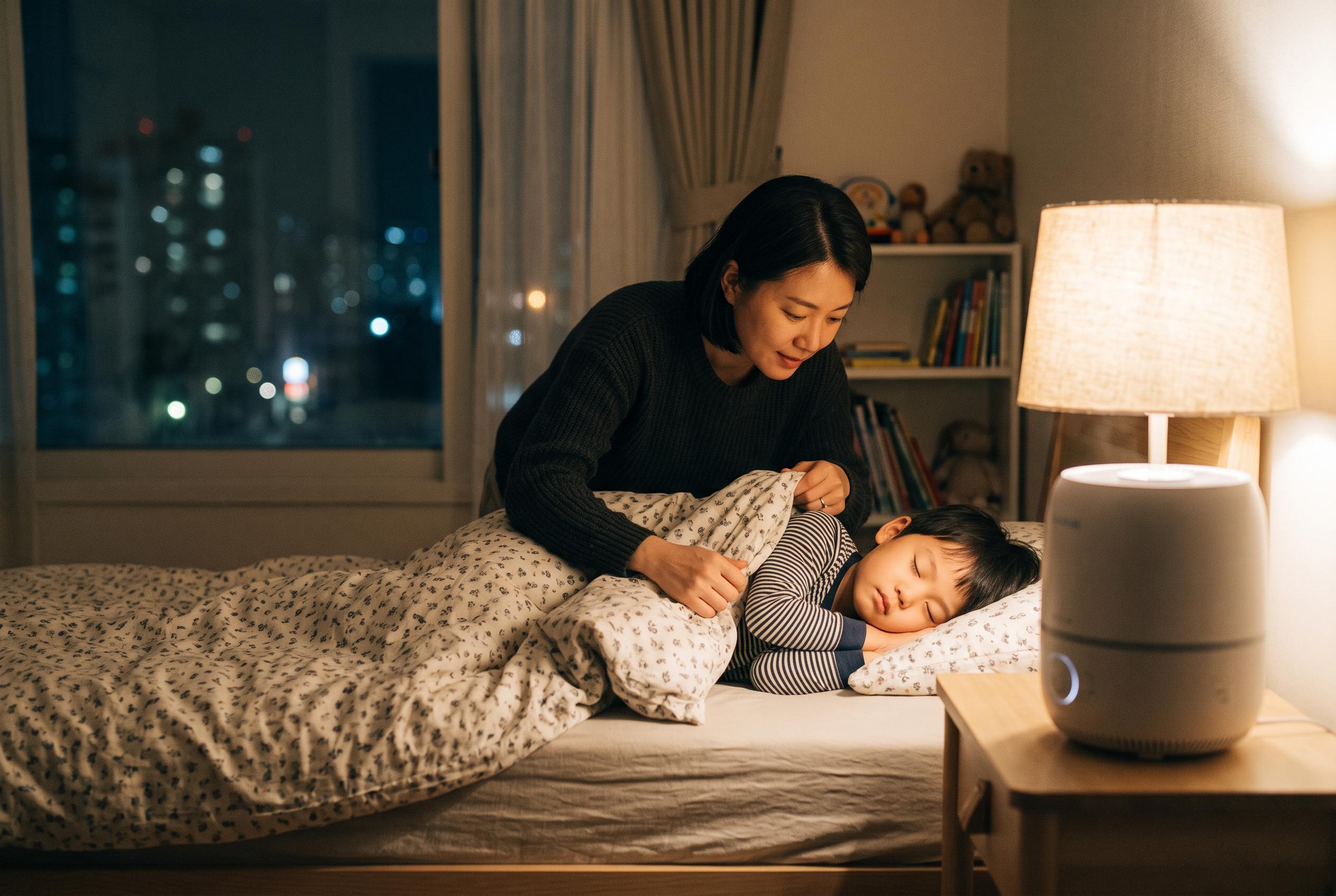
Loud, habitual snoring in a child is not just a noisy nuisance. When it is accompanied by repeated pauses in breathing or effortful airflow, doctors may need to consider obstructive sleep apnoea, a condition that can disrupt sleep, behaviour and learning.
The Conversation says the disorder is more often linked with adults, but children can develop it too. A 2024 review cited in the article found that estimates in pre-school children varied widely, from 12.8% to 20.4%, although the true rate remains uncertain because studies used different definitions and testing methods. Other medical guidance from Mayo Clinic, Johns Hopkins Medicine and the US National Heart, Lung and Blood Institute all describe the condition as a partial or complete blockage of the upper airway during sleep, often marked by loud snoring, mouth breathing and restless sleep.
Daytime signs can be easy to miss. Instead of looking sleepy, some children become irritable, overactive or difficult to settle, and may struggle with concentration, behaviour or schoolwork. The Conversation notes that these symptoms can overlap with attention deficit hyperactivity disorder, which means sleep problems are sometimes overlooked when adults assume the issue is purely behavioural.
In younger children, enlarged tonsils and adenoids are the most common cause. Obesity, differences in the shape of the jaw or skull, allergic rhinitis, asthma, premature birth and certain genetic conditions, including Down syndrome, can also raise the risk. The article points out that rising childhood obesity may be adding to the problem globally, while air pollution has been linked in observational studies to snoring and sleep-breathing problems, though that evidence does not prove cause and effect.
Doctors usually diagnose the condition with a polysomnogram, or overnight sleep study, which measures breathing, oxygen levels and sleep disruption. A brief video of a child sleeping can sometimes help triage cases, but it cannot replace formal testing. Treatment depends on severity and cause: removal of enlarged tonsils and adenoids often comes first, while nasal steroid sprays, monitoring, orthodontic approaches, weight management and continuous positive airway pressure, or CPAP, may be considered in selected cases or when surgery does not work.
The Conversation cites a randomised trial of 464 children showing that surgery improved symptoms, behaviour, quality of life and sleep-study results compared with watchful waiting, though it did not significantly improve the trial’s main attention measure. Even so, the article says up to 40% of children may still have sleep apnoea after surgery, especially those with obesity, severe disease or other medical issues. That is why follow-up matters, and why paediatric guidance increasingly encourages clinicians to ask a simple but important question: “Does your child snore?”
Disclaimer: This content is for informational purposes only and is not intended to be a substitute for professional medical judgment, advice, diagnosis, or treatment.