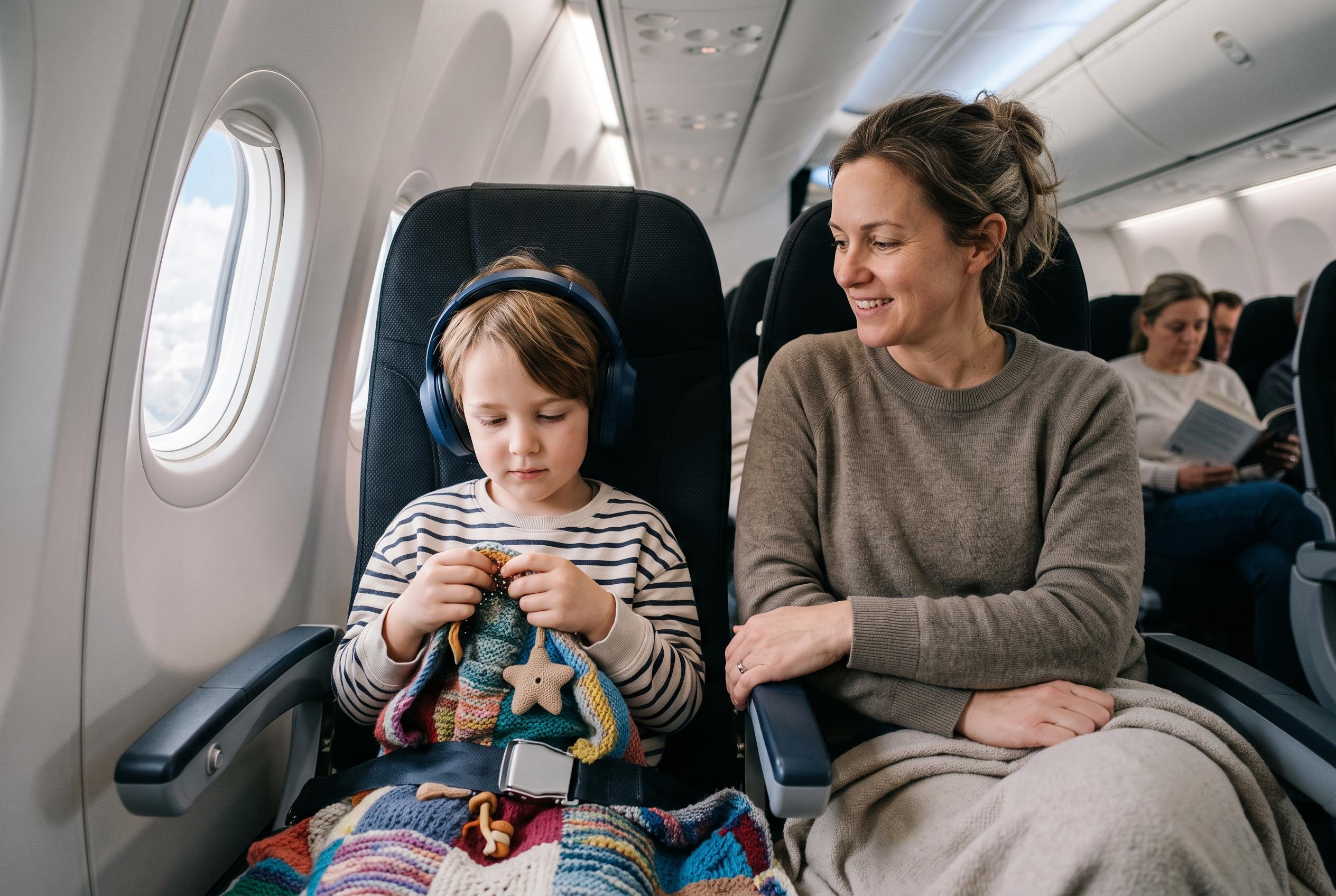

Expert advice and personalised planning are transforming journeys for autistic travellers, with tailored routines and support making flights more manageable than ever.
Travelling can be daunting for autistic people, but careful planning can make it far more manageable, according to a New York Times report by Julie Weed for The San Diego Union-Tribune. For Johan Konst, a 34-year-old public relations professional who flies internationally for work, early-morning non-stop flights, noise-cancelling headphones and practising small talk have helped reduce the stress that once made air travel feel overwhelming.
Experts quoted in the report say preparation is often the difference between a chaotic journey and a workable one. Dr Rachel Labaton of YAI recommends using picture books or visual stories to walk children through each stage of the trip, from security to baggage reclaim. She also suggests packing a calming kit with items such as headphones, sunglasses, fidget toys, snacks and comfort objects to help reduce sensory overload.
The article also notes that predictable routines can ease anxiety. Karla Auker, founder of the Neurodiversity Parent Guide, advises families to make airport travel into a game, brief cabin crew with a simple card explaining the traveller’s needs, and cut down on last-minute choices by deciding in advance where to eat, where to sit and what to do if a delay arises. Jordana Izzo, director of accessible travel at Travelmation, says children may also need quiet time after landing to recover from the strain of the journey.
Industry and advocacy groups offer similar advice. Autism Speaks and the Autism Society of North Carolina both stress the value of rehearsing travel scenarios, bringing comfort items, keeping to familiar routines where possible and preparing for changes in schedule. Autism Double-Checked, which lists autism-friendly travel providers, says families can also arrange airport rehearsal programmes and contact the Transportation Security Administration in advance to request a passenger support specialist when extra help is needed.
Disclaimer: This content is for informational purposes only and is not intended to be a substitute for professional medical judgment, advice, diagnosis, or treatment.