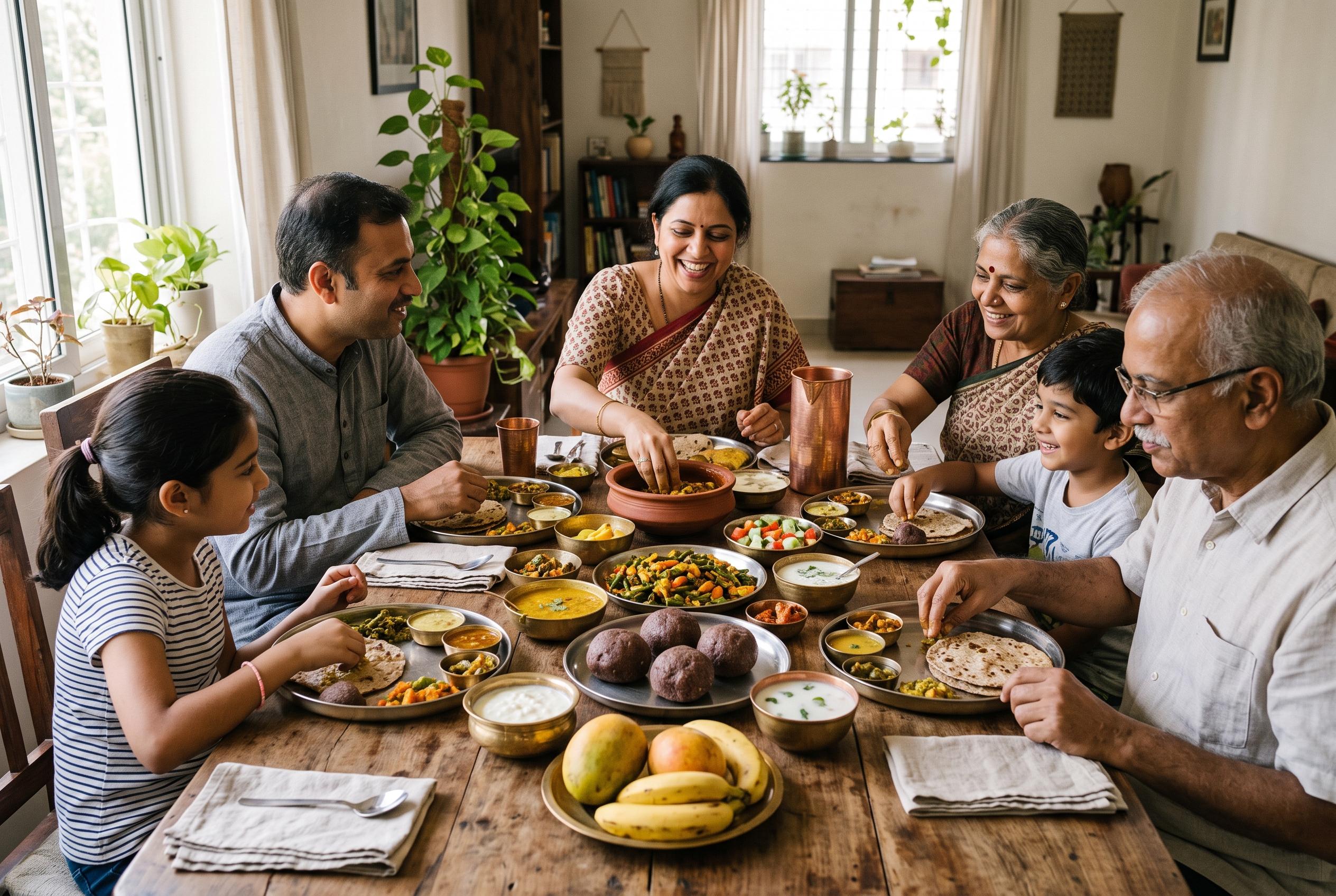

A new white paper from the Physicians Association for Nutrition, India urges a move away from labelling protein by grams towards evaluating overall dietary patterns, emphasising food quality and meal variability over simplistic labelling claims.
India’s protein debate has become too obsessed with numbers on a label and not enough with what people actually eat, according to a new white paper from the Physicians Association for Nutrition, India. Released during National Nutrition Week, the paper argues that protein adequacy should be judged across the whole diet rather than by counting grams in isolation. It says the right questions are whether a meal is varied, calorie-adequate and suitable for the person eating it. The authors also say protein has become one of the most misunderstood topics in nutrition, with marketing claims and simple “complete” or “incomplete” labels often obscuring the bigger picture.
The paper challenges the long-standing idea that plant proteins must be carefully combined at every meal to be useful. It says most plant foods contain all nine essential amino acids, although amounts, digestibility and density differ. It also argues that laboratory scoring systems for protein quality, while useful in some settings, cannot capture the full nutritional value of a meal, because they do not account for portion size, processing, cost or the rest of the plate. In the paper’s view, a “high-protein” label does not automatically mean a food is wholesome, especially if it is also high in salt, saturated fat or added sugar.
Dr Rajeena Shahin, medical director at PAN India, said protein should be seen as part of a wider nutritional package, not as a stand-alone target. Dr Rajendiran Gopalan, professor and head of preventive cardiology at PSG Institute of Medical Sciences and Research in Coimbatore, said no single ingredient makes a meal healthy on its own. The white paper says the real risk of protein shortfall is concentrated in specific groups, including growing children, pregnant and breastfeeding women, older adults, people recovering from illness and those with restricted intake, malabsorption or rapid weight loss. For healthy adults eating a varied diet with enough calories, it says the Indian Council of Medical Research and National Institute of Nutrition reference intake can usually be met without special high-protein products.
The paper also points to evidence suggesting that what protein replaces matters more than simply adding more of it. It cites observational studies linking higher plant protein intake with lower risk of death from any cause and from heart disease, and another study finding that replacing a small share of calories from animal protein, especially processed meat, with plant protein was associated with lower mortality risk. On policy, the paper calls for more support for affordable pulses and legumes, clearer labelling, crop diversity and better standards for supplements. Its broader message is that protein guidance should move away from anxiety over grams and towards the quality of the overall eating pattern. The white paper proposes a food-first approach built around individual need, meal planning, preparation methods that improve digestibility, exercise and selective supplement use only where a genuine gap exists.
Disclaimer: This content is for informational purposes only and is not intended to be a substitute for professional medical judgment, advice, diagnosis, or treatment.