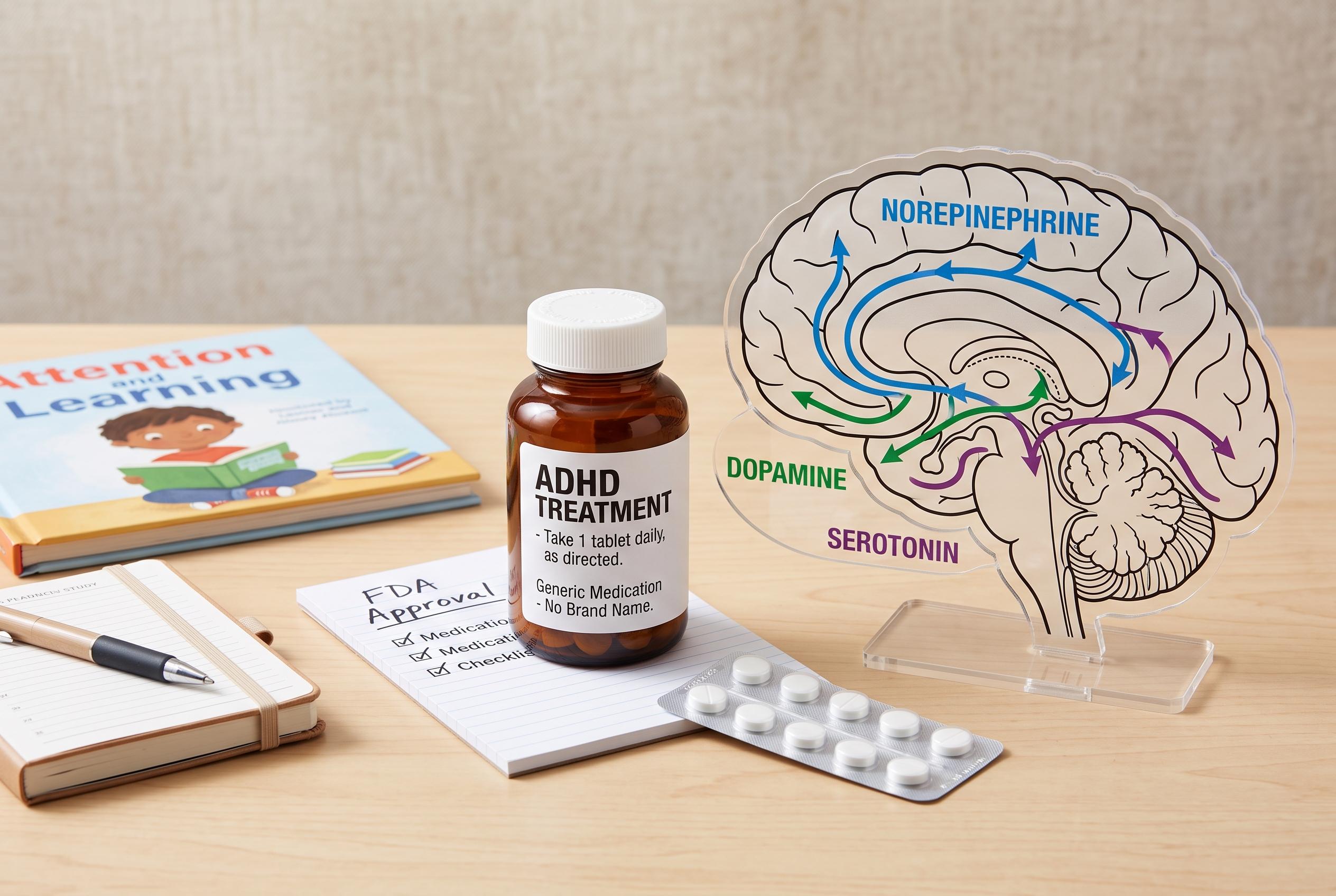

The US FDA has approved centanafadine, marking a breakthrough in ADHD treatment with its unique action on norepinephrine, dopamine and serotonin reuptake, suitable for a broad age range and potentially beneficial for those unresponsive to existing medicines.
The US Food and Drug Administration has cleared centanafadine for attention-deficit hyperactivity disorder in children aged six and over who weigh at least 20kg, as well as in adults, widening a treatment field that already includes stimulants and other non-stimulant medicines. Otsuka Pharmaceutical said the drug will be sold as SIMTRIYO, a once-daily extended-release capsule, and described it as the first approved treatment in a new class known as norepinephrine, dopamine and serotonin reuptake inhibitors.
What sets the medicine apart is its mechanism. Centanafadine works by reducing the reuptake of three neurotransmitters linked to attention and behavioural control: norepinephrine, dopamine and serotonin. That gives it a different profile from established ADHD medicines and may make it useful for patients who do not respond well to current options or who struggle with side effects.
The FDA’s decision was based on four phase 3 trials involving children, adolescents and adults. According to Otsuka, the studies showed statistically significant and clinically meaningful improvements in ADHD symptoms versus placebo, with benefits appearing as early as the first week. In paediatric and adolescent trials, higher doses met the main efficacy endpoint by week six, while adult studies showed improvement at both 200mg and 400mg.
Researchers also reported gains beyond core ADHD symptoms. Analyses pointed to better executive function, including planning, time management, prioritising tasks, completing work and working memory. Those capabilities are often affected by ADHD and can shape performance at school, at work and at home.
Safety findings were broadly in line with the medicine’s neurochemical effects. In children and adolescents, the most common adverse events were reduced appetite, nausea, headache and rash, while adults most often reported reduced appetite and headache. Otsuka said the drug is expected to reach the market later this year once it has been scheduled by the US Drug Enforcement Administration.
Disclaimer: This content is for informational purposes only and is not intended to be a substitute for professional medical judgment, advice, diagnosis, or treatment.