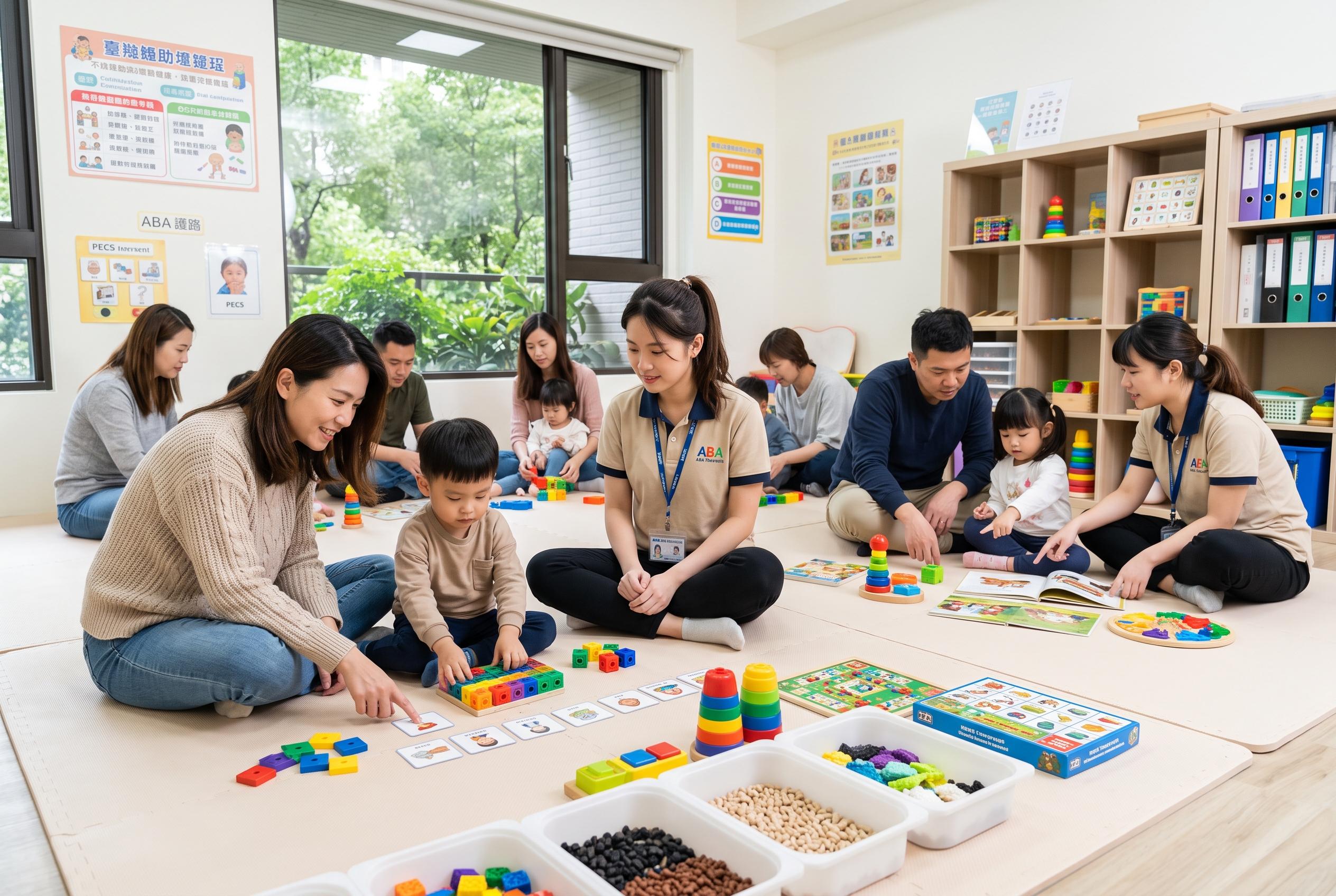

Jiang Zhongxin highlights the evolution, current pressures, and future potential of autism early intervention in Taiwan, calling for more inclusive, evidence-based, and accessible systems amidst a growing demand and changing professional landscape.
For more than three decades, Jiang Zhongxin has worked on early intervention for autistic children, first as a clinician and later as a researcher. In the closing section of his book, he returns to the question that has shaped that work from the start: how to make sure early support is guided by evidence, professional skill and the needs of each child and family, rather than by fashion or ideology.
Jiang argues that good clinical judgement rests on three pillars. The first is the strongest available research, including primary studies and systematic reviews. The second is professional expertise, built through assessment, diagnosis, planning, treatment and continual reflection. The third is the child’s own characteristics, needs, values and preferences. He says this approach becomes stronger still when it is viewed through a neurodiversity lens, which recognises difference without treating it as a defect to be erased.
He then sets that ideal against Taiwan’s current reality. The island’s first service base for autistic preschool children began at National Taiwan University Hospital in the late 1960s, and early intervention has expanded markedly since Taipei established the first integrated developmental-delay assessment centre in 1997. By March 2026, Taiwan had 88 such centres, with annual service numbers reaching 43,957, a sign of both wider access and heavy demand.
Yet Jiang warns that the system is under pressure. Low National Health Insurance reimbursement, he says, has pushed many highly trained doctors and therapists out of hospitals and into private clinics, fuelling a growing market for paid early intervention. He sees both promise and danger in that shift: more professional recognition and better pay on one hand, but also a widening gap between families who can afford intensive support and those who cannot.
That concern is personal as well as policy-driven. Jiang recalls an early case he treated more than 25 years ago: a non-speaking autistic child from a low-income family whose parents spent more than two years trying to secure help. He says he cannot imagine how such a family would manage now without clearer guarantees of quality and affordability. He points to the hope expressed by disability advocate Lei Yu Xiu-hua, who called for Taiwan to make early identification and free services a reality for children aged zero to six, so that families would not be left with regret.
From there, Jiang turns to a broader vision for the future. He borrows from Japan’s Satoyama Initiative, which seeks a balance between people and nature, to imagine a similar harmony between the child, society and environment in autism care. In his view, Taiwan should keep learning from research, combine older and newer intervention models, and build service systems that are flexible, local and shared rather than over-credentialed and commercially fragmented. He also points to the World Health Organisation’s caregiver skills training programme as one model of knowledge that can be spread widely. The aim, he suggests, is not simply better therapy, but a more inclusive system in which children, families, professionals and communities work together.
Disclaimer: This content is for informational purposes only and is not intended to be a substitute for professional medical judgment, advice, diagnosis, or treatment.