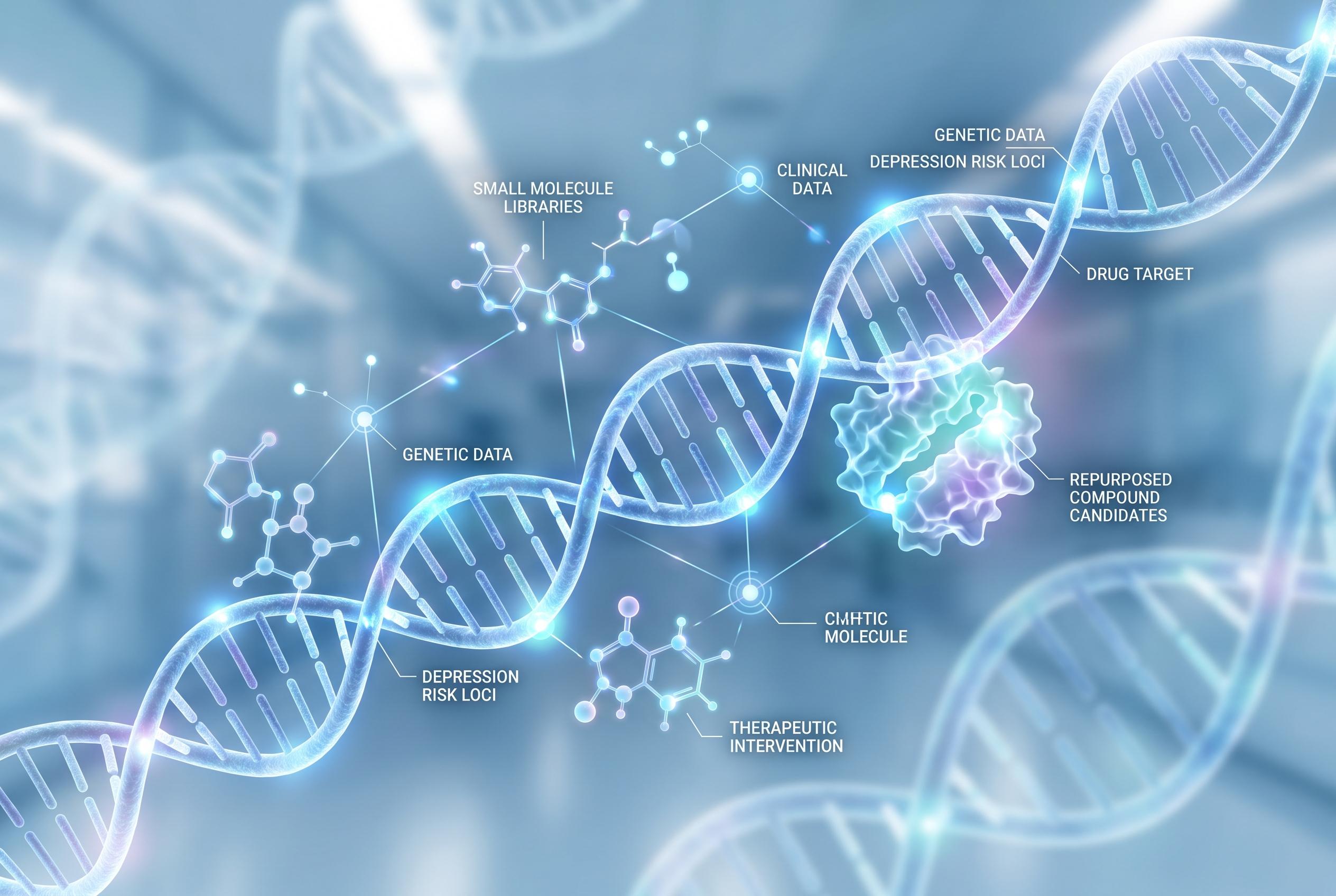

A new genetics-based approach linking human genetic data to potential drug targets aims to improve depression treatments and expedite drug repurposing efforts, offering fresh hope in psychiatric therapy development.
Researchers have used a genetics-led framework to help identify which drug targets may be most promising for major depression, in an approach designed to strengthen repurposing efforts and narrow the gap between biological insight and treatment development. According to the Nature study, the team combined Mendelian randomisation with protein and gene-expression data drawn from blood, cerebrospinal fluid and brain tissue, working from genome-wide association data covering more than 525,000 people with major depression. The aim was to prioritise targets already supported by human genetics rather than relying solely on laboratory or observational evidence.
The approach matters because depression remains difficult to treat well, and existing antidepressants do not work reliably for everyone. By linking disease risk to genetically influenced proteins, the researchers sought to identify targets with a stronger chance of translating into effective therapies. Nature’s report suggests the method could also help with drug repurposing, where medicines developed for one condition are tested for another, potentially speeding up development if a target already has a known safety profile.
The study sits within a broader wave of psychiatric and neurological genetics research that is increasingly using cell-type-specific and tissue-specific data to refine disease biology. In April, another study identified 91 independent risk genes for Alzheimer’s disease dementia using transcriptome-wide methods that accounted for cell type, while a separate July analysis explored shared genetic architecture between cognition and immune function. Together, these findings point to a more detailed understanding of how genes act differently across tissues and biological systems, rather than through a single pathway.
That wider context also includes evidence that life experience can interact with biology in ways that shape mental health later on. A March study using UK Biobank data linked early-life adversity, coping strategies and adult mental health, cognition and brain measures, suggesting that environmental factors still matter alongside genetics. The new depression work does not replace those insights, but it adds a more targeted route for drug discovery: finding therapies anchored in human genetic evidence and then testing whether they can be safely and effectively redirected to psychiatric illness.
Disclaimer: This content is for informational purposes only and is not intended to be a substitute for professional medical judgment, advice, diagnosis, or treatment.