
As Athens parents seek alternatives to traditional nurseries, Montessori, Reggio Emilia and Waldorf schools are gaining popularity, though with debates over authenticity, philosophy and suitability for children’s individual needs.
When a child turns one, some parents find themselves looking ahead sooner than they expected. In Athens, that search increasingly leads them into a crowded world of Montessori, Reggio Emilia, Waldorf, child-led learning, mixed-age classes, natural materials and schools that promise a softer start than the conventional nursery route. The language alone can be intimidating, and the choice has become as much about status and philosophy as it is about convenience or price.
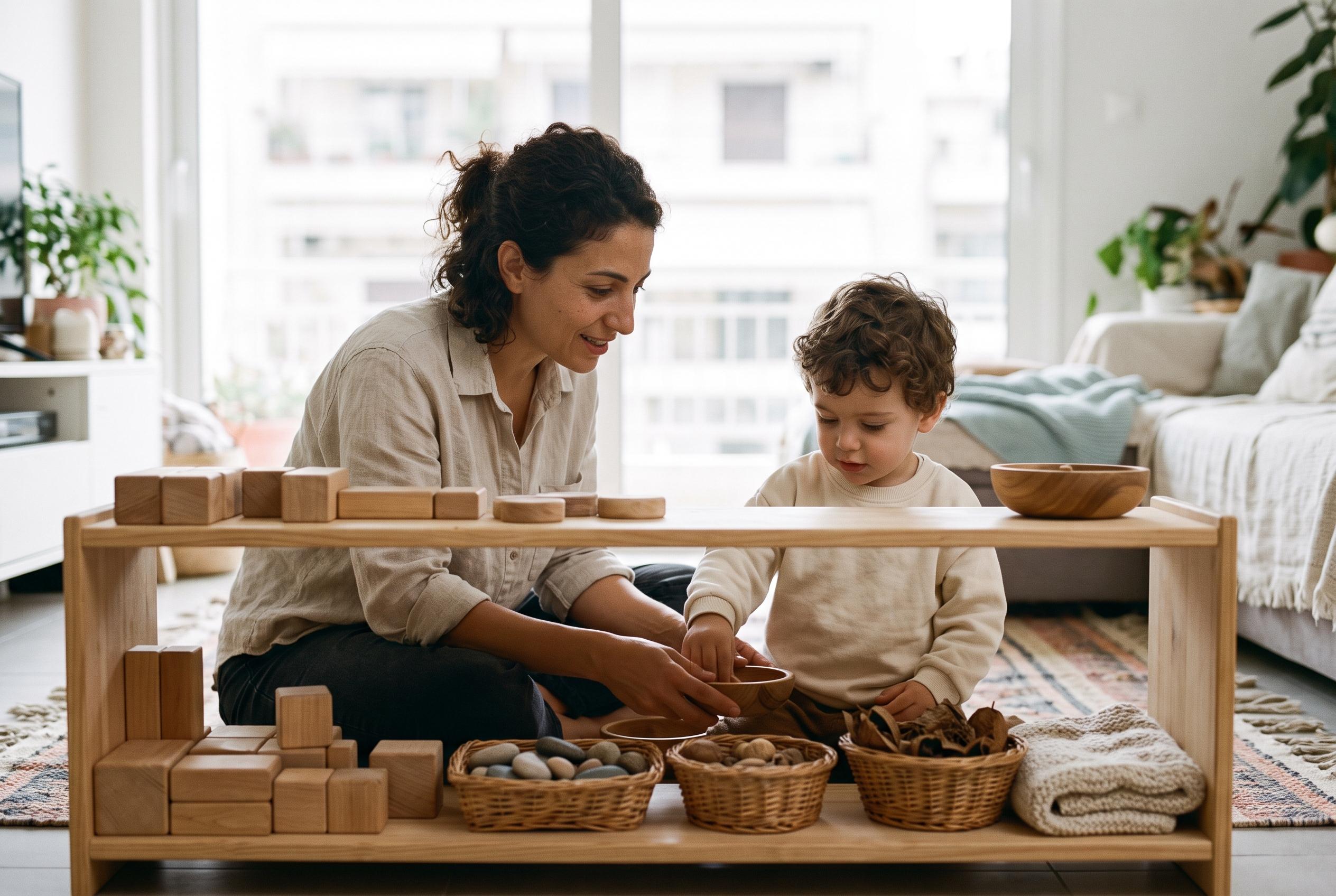
Montessori is now so widely used that it is often treated less as an alternative and more as a default. According to educational overviews from Medical News Today and Montessori institutions, the method developed by Maria Montessori centres on independence, hands-on learning and a carefully prepared environment where children choose work at their own pace. In Athens, Elsa Chorianopoulou of the Montessori School of Athens argued that the approach is being diluted by branding, with many schools using the name without genuine certification. She also said the method can suit children well, but not every family, especially if parents are inclined to do too much for them.
That emphasis on autonomy is part of Montessori’s appeal. Ramona Braneu, founder of Montessori Community School, described a practical routine in which even very young children are encouraged to pour their own water, cut their own fruit and tidy up spills with child-sized tools. She said that mixed-age classrooms allow younger children to learn from older ones, while the older children gain confidence by becoming models themselves. The broader philosophy, as the Montessori literature puts it, is to move from concrete experience to abstract ideas through ordered, purposeful activity.
Reggio Emilia offers a different route. The approach, developed in post-war Italy, sees children as capable participants in their own learning, with education emerging through relationships, discussion, art and long-term projects. The Reggio Children organisation says the environment itself is treated as an educator, alongside atelier work, documentation and family involvement. Christiana Lydia Spyratou, who founded the Petaei Petaei nursery in Pangrati, said children should have a voice from the earliest years and can turn an everyday observation into a wider inquiry. In her view, the label matters less than the atmosphere, cleanliness and emotional tone of a school.
Waldorf schools, meanwhile, appeal to parents looking for something more artistic and less institutional. According to the school model described by Trianeimi and by Waldorf advocates, the focus is on the whole child, with teaching adapted to different stages of development and less early academic pressure. Sandra Mavroeidi, co-founder of Trianeimi, said the school aims to build health and independence alongside what are often called soft skills, which she sees as essential to later academic success. She argued that children need more than memorisation and that today’s schools should be judged by whether they prepare children for a changing world.
Yet the most persuasive alternative for many families may still be the ordinary public nursery round the corner. Katerina Kotronopoulou, director of the first municipal nursery in Vrilissia, said the public model is built around play, safety and familiarity, with strict checks on staff, food and facilities. Parents interviewed for the piece described very different experiences: some were delighted by creativity and freedom, others felt their children were overloaded with activities or caught up in a kind of educational fashion. What emerged most clearly is that no system can substitute for the daily reality of the room, the teachers and the child’s own temperament. The hardest choice is not finding the perfect school, but choosing one that gives a small child room to grow without rushing to define them.
Disclaimer: This content is for informational purposes only and is not intended to be a substitute for professional medical judgment, advice, diagnosis, or treatment.