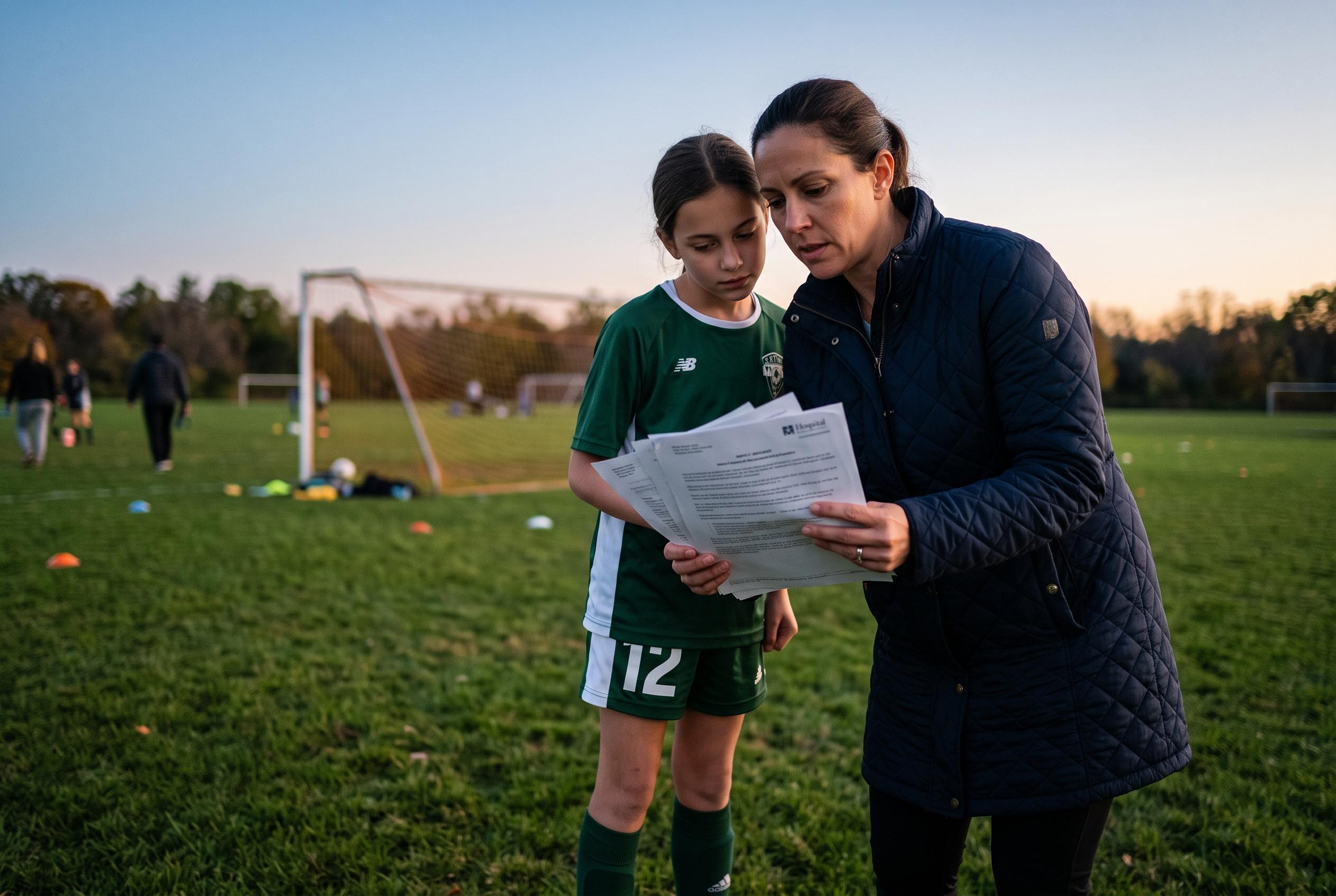

As studies reveal a significant link between repeated head impacts and long-term brain injury, experts advise parents to make informed choices about children’s participation in contact sports, emphasising prevention and monitoring.
CTE, or chronic traumatic encephalopathy, has become a sharper concern for families as new research continues to link repeated head impacts with long-term brain injury. The condition cannot be diagnosed during life, but studies reported by The Washington Post, WBUR, ABC News and GBH News this summer found that at least one in four former NFL players who died in recent years had CTE, underscoring the risks associated with repeated blows to the head in contact sports.
The bigger concern for parents is that children and teenagers are still developing. According to the Centres for Disease Control and Prevention, repeated head impacts can happen without obvious concussion symptoms, and scientists still do not fully understand why some athletes develop CTE and others do not. What is clear is that hits accumulated over time can affect thinking, memory, mood and behaviour.
That matters because young brains are still building the systems that help with emotional regulation, stress management and self-esteem. In practical terms, that means repeated impacts may show up not only as academic or concentration problems, but also as irritability, anxiety, sleep changes or shifts in mood. Sports medicine experts say those signs should be taken seriously even when a child seems outwardly fine.
Parents do not have to pull back from sport entirely to reduce risk. Some families delay tackle football until the teenage years, while others start with flag football to limit contact. Coaches can also help by reducing the number of full-contact drills and teaching safer techniques for tackling and blocking. The CDC says collisions in sport are a common source of repeated head impacts, which is why limiting exposure matters.
Pediatricians can be an important part of the decision-making process. They can help families establish a baseline before a season begins, advise on return-to-play after a suspected concussion and monitor for changes in school performance, sleep or mood. For parents weighing the benefits of team sport against possible brain injury, the goal is not fear, but informed choices and closer observation.
Disclaimer: This content is for informational purposes only and is not intended to be a substitute for professional medical judgment, advice, diagnosis, or treatment.