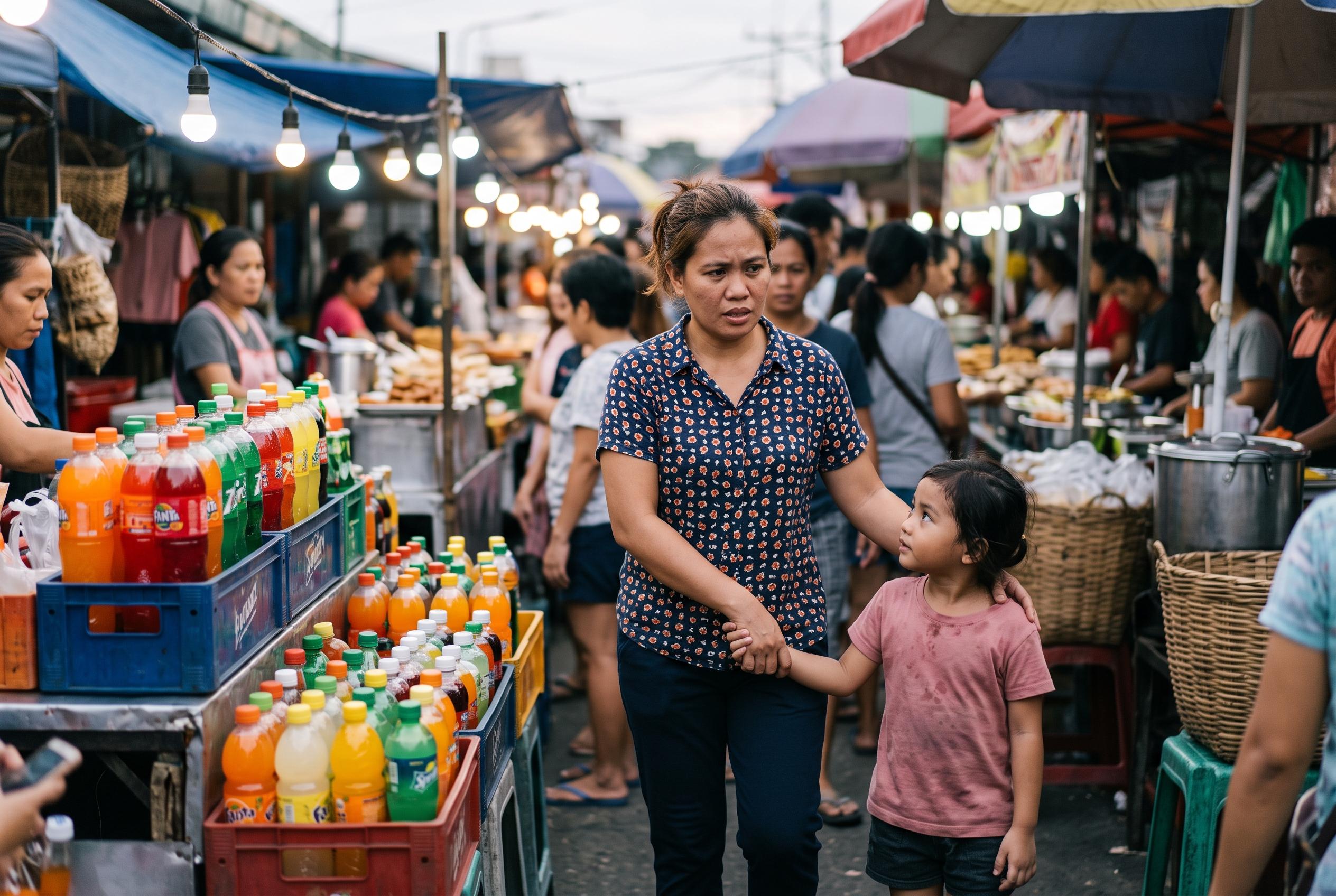

The Philippines’ Department of Health backs a higher, inflation-adjusted tax on sweetened beverages, aiming to curb rising obesity rates and fund health initiatives amid industry opposition.
The Department of Health has thrown its weight behind a higher tax on sweetened drinks, arguing that stronger fiscal measures are needed to help curb consumption as obesity and other diet-related illnesses rise in the Philippines. Speaking at a joint hearing of the House committees on ways and means and health, Health Assistant Secretary Lester M. Tan said the levy should be strengthened as part of efforts to prevent noncommunicable diseases.
Tan said the tax needs to be set high enough to change buying habits, broadened to cover more products and updated regularly for inflation so its impact does not erode over time. The National Nutrition Council echoed that call, with Executive Director Albert Francis E. Domingo pointing to survey data showing that the share of Filipino adults who are overweight or obese has climbed sharply over three decades. The council said it supports the proposed amendment as part of wider action to improve the country’s food environment.
The Department of Finance has proposed lifting the sweetened beverage tax to P20 a litre for purely caloric and non-caloric drinks and P40 a litre for products using high-fructose corn syrup, with annual indexation. Undersecretary Karlo Fermin S. Adriano told lawmakers that the current P6-a-litre and P12-a-litre rates have lost value because they have not kept pace with inflation. Harvy Joy Liwanag, a researcher at the National University of Singapore, told the hearing that the existing tax initially reduced purchases but that its effect has faded, and that a higher, inflation-linked levy could do more to push manufacturers to reformulate drinks and cut sugar content.
The proposal is part of a broader debate over how to fund tax relief measures while also improving public health. The House ways and means committee chair, Miro Quimbo, has also pointed to higher taxes on vape products, tobacco, sugar-sweetened drinks and single-use plastics as possible revenue offsets, while Mondelez Philippines has opposed the beverage tax increase, saying it would affect consumers, retailers and the wider supply chain. Public policy groups, meanwhile, have argued that the measure should be seen not only as a health intervention but also as a source of revenue for nutrition and other programmes.
Disclaimer: This content is for informational purposes only and is not intended to be a substitute for professional medical judgment, advice, diagnosis, or treatment.