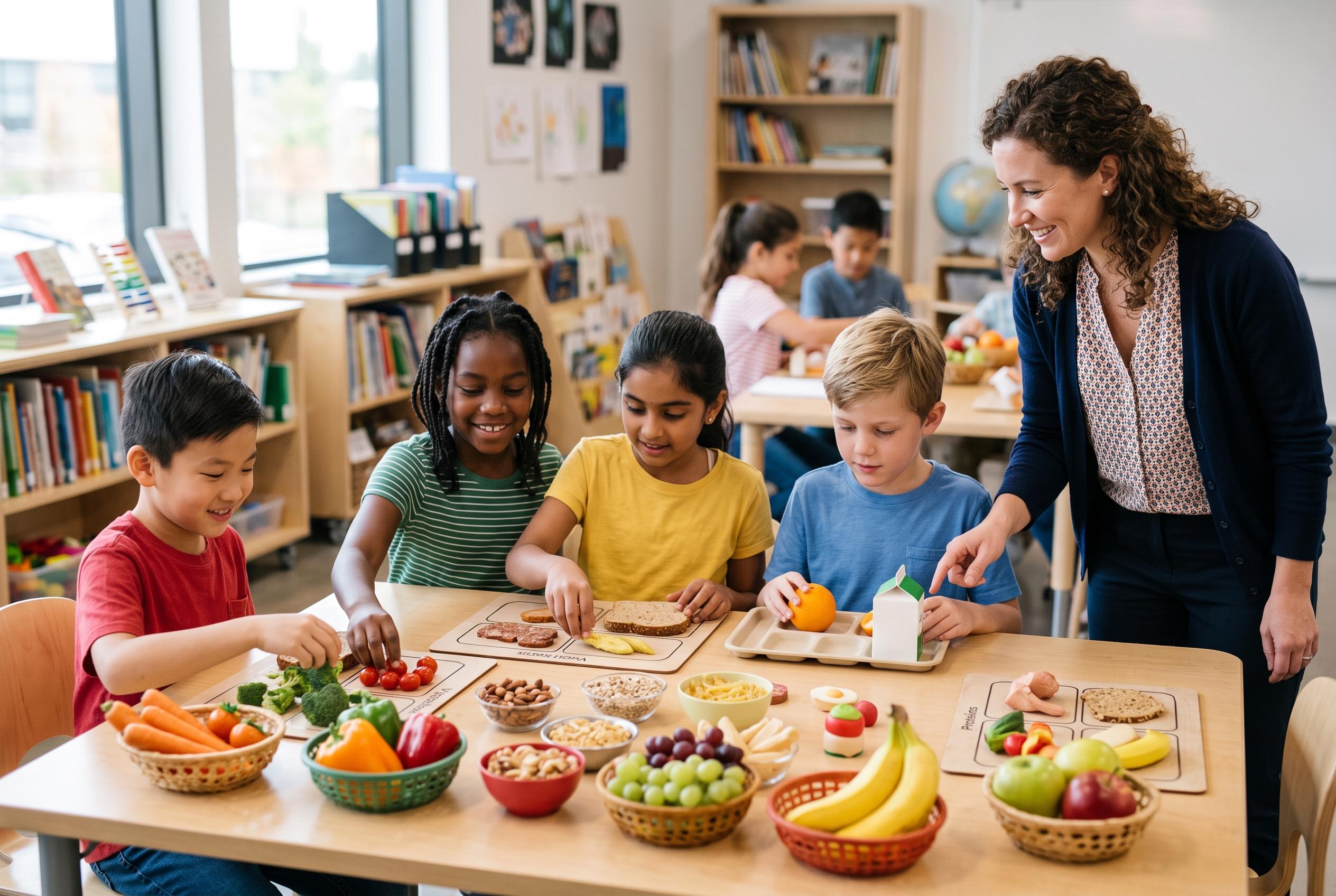

As children return to school, experts emphasise the importance of teaching balanced eating habits, recognising hidden sugars, and fostering a healthy relationship with treats to combat long-term health risks.
As children head back to school, parents often find it harder to keep tabs on what ends up in lunchboxes, snack bags and after-school treats. That can make sugar feel more alarming than it needs to be, but the sharper point is balance: helping children understand where sugar fits within the wider diet, and why it should not dominate it.
A practical first step is to teach children the basics of nutrition early and in plain language. Protein foods help build muscle and support active play, while healthy fats provide energy and help children feel full for longer. Carbohydrates are the group where sugar appears, but they also include the complex, nutrient-rich foods that supply vitamins, minerals and fuel for the day. According to Healthline and the American Academy of Pediatrics, children do best when families emphasise whole foods such as fruit, vegetables, whole grains and healthier fats, rather than treating every carbohydrate as the same.
The concern is not a single sweet snack so much as the cumulative effect of added sugar. The Centres for Disease Control and Prevention says excess added sugar is linked with weight gain, obesity, type 2 diabetes and heart disease, and notes that children under 11 should avoid added sugars. It also warns that sugar can be hidden in foods and drinks that do not taste obviously sweet, which makes label-reading and simple conversations about ingredients especially useful for families.
Just as important, experts say children benefit from learning that treats can still have a place in a healthy routine. Occasional sweets do not have to become a source of guilt or conflict if they are framed as part of an overall pattern that includes variety and moderation. Setting aside a regular treat night, as one example, can help children see that food is not divided into “good” and “bad” categories. Modelling calm, balanced habits may be one of the most effective ways to help children build a healthy relationship with eating that lasts into adulthood.
Disclaimer: This content is for informational purposes only and is not intended to be a substitute for professional medical judgment, advice, diagnosis, or treatment.