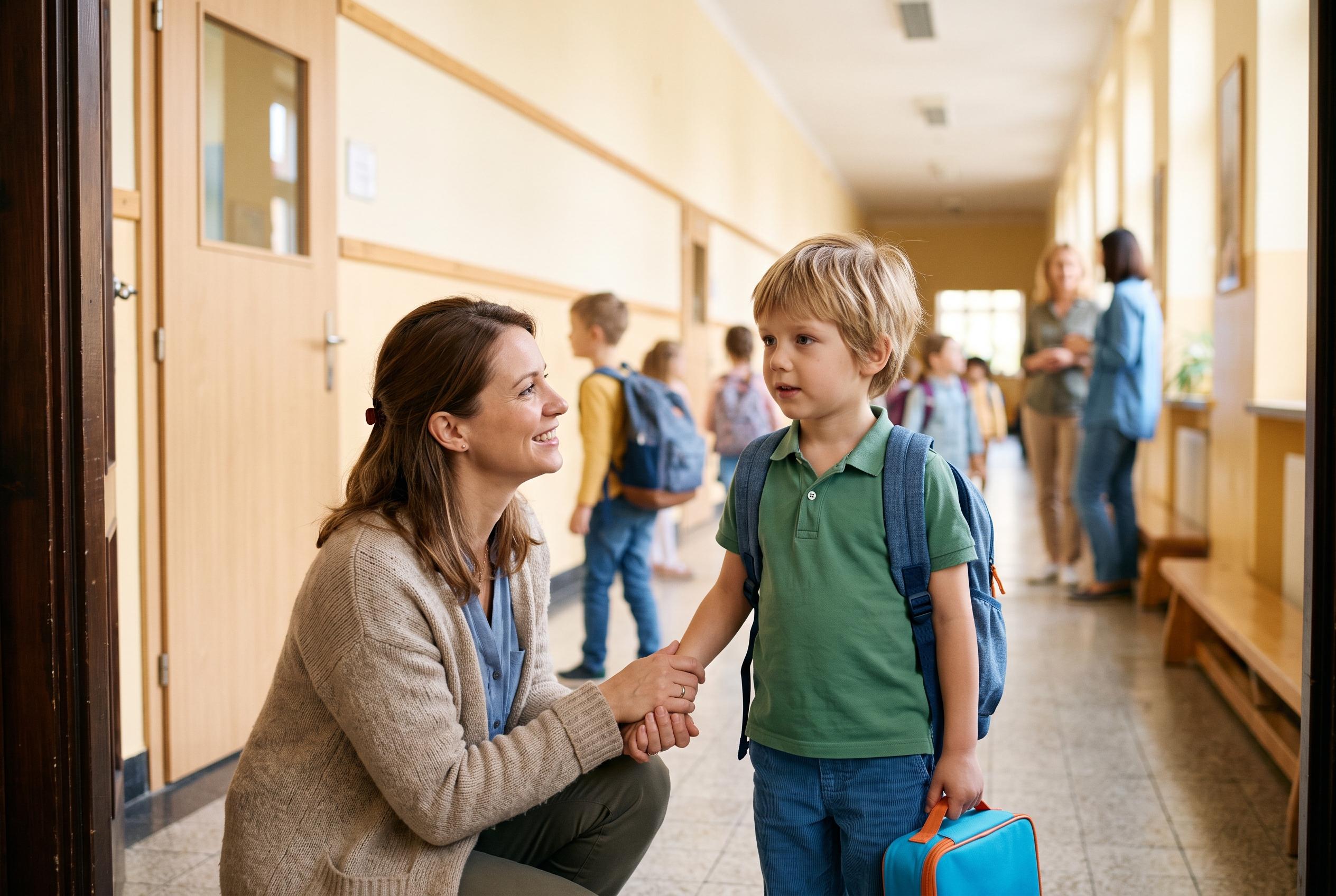

As children face the new school year, understanding the underlying causes of morning tears can help parents support their children through anxiety-driven school refusal, promoting confidence and smooth transitions into the academic year.
As the new school year begins, many parents find the same morning scene repeating: a child clings to a parent, cries, and refuses to get dressed or leave for class. What can look like stubbornness is often something else entirely. According to educational specialist Abla Ibrahim, a child’s tears on the way to school do not automatically mean wilful defiance; they can point to fear, anxiety or difficulty adjusting to a change in routine.
The first step, Ibrahim says, is to listen carefully and try to understand what is driving the resistance. A calm conversation away from the rush of the morning can reveal worries about a teacher, loneliness, friendship problems or pressure over lessons and tests. Harvard Health and the Cleveland Clinic both note that school refusal is often rooted in anxiety rather than misbehaviour, and that parents should look for the underlying cause rather than only the outward resistance.
It also helps to avoid dismissing the child’s feelings. Reassurance works better than phrases that make fear sound silly or unimportant. Ibrahim advises parents to acknowledge the emotion and offer support at the same time. Keeping the morning routine calm matters too: preparing clothes, lunch and school supplies the night before can reduce tension and prevent the day from beginning with arguments. The Cleveland Clinic and HealthyChildren.org both recommend consistent routines as part of helping children feel secure.
At the same time, experts warn against turning staying home into the reward for crying. Harvard Health advises parents to remain firm about attendance while still being empathetic. If there is no genuine medical reason to miss school, allowing repeated absences can teach a child that distress is an effective way to avoid class. That does not mean forcing a child through a serious problem; it means avoiding a pattern of escape when the issue is temporary anxiety.
Parents are also encouraged to work with the school if the problem continues. Teachers, school counsellors or social workers may notice isolation, bullying or other difficulties that are not obvious at home. HealthyChildren.org and the Cleveland Clinic both stress that coordination with school staff can help identify the cause early and support a gradual return to normal attendance. Ibrahim adds that parents should avoid comparing a child with siblings or classmates, since that can deepen shame rather than build confidence.
Special attention is needed if refusal becomes intense or persistent, or if it comes with changes in sleep, appetite, mood or repeated physical complaints such as stomach aches or headaches before school. Harvard Health and other child-health specialists say these signs can point to significant anxiety and should not be brushed off as mere fussiness. In those cases, professional help may be needed.
In the end, the message a child needs most is simple: the parent is on their side. Comfort does not mean giving in to every refusal, and firmness does not mean ignoring fear. With patience, structure and open communication, many children can move past early-school anxiety and settle into the new term with more confidence.
Disclaimer: This content is for informational purposes only and is not intended to be a substitute for professional medical judgment, advice, diagnosis, or treatment.