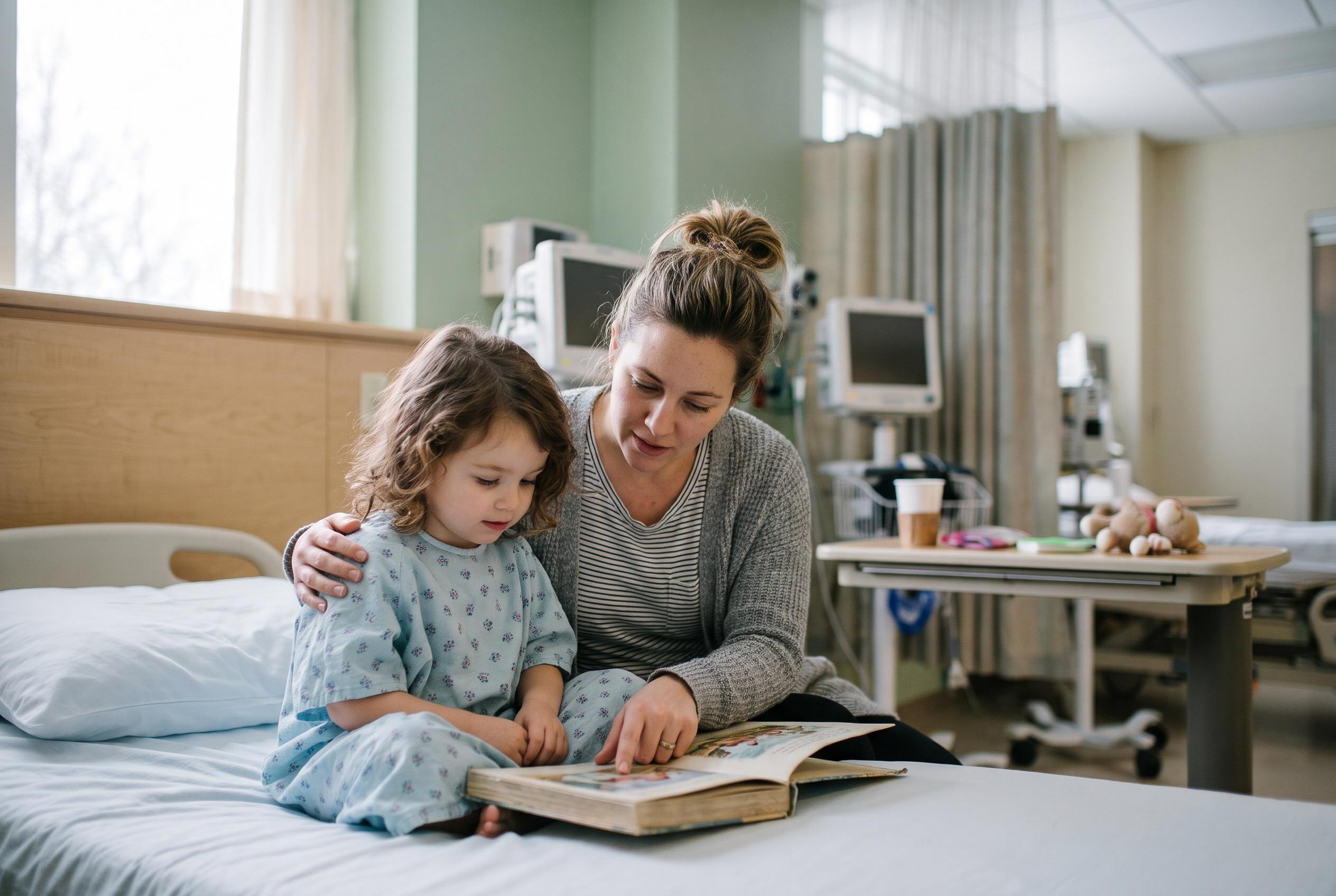

A four-year study in Qatar found children with RSV were substantially more likely to be hospitalised or require intensive care than those infected with influenza or Covid-19.
Researchers at Weill Cornell Medicine-Qatar and Sidra Medicine say respiratory syncytial virus, or RSV, causes more severe illness in children than influenza or Covid-19, underscoring the case for stronger prevention measures and wider access to vaccination and other protections. The findings, published in The Lancet Regional Health – Eastern Mediterranean, come from an analysis of 4,360 respiratory illness cases involving 3,932 children under 18 who attended Sidra Medicine’s emergency department between January 2022 and December 2025.
The study is the first in the Eastern Mediterranean region to directly compare the severity of RSV, influenza and Covid-19 in children over four years in which all three viruses circulated at the same time. Influenza accounted for 65% of the cases reviewed, compared with 22% for Covid-19 and 13% for RSV, but children with RSV were around four times more likely to be admitted to hospital and more than three times as likely to require intensive care as those with the other two infections.
Anders Perez Lopez, who heads microbiology at Weill Cornell Medicine-Qatar, said a child’s prior health was a major factor in how severely the infection developed. Children with pre-existing conditions were about seven times more likely to be hospitalised and around 12 times more likely to need intensive care than otherwise healthy children, according to the study.
The results add to a broader body of research showing that RSV is a significant cause of serious childhood respiratory disease worldwide. The Mayo Clinic says the virus spreads easily through respiratory droplets and can survive for hours on hard surfaces, with infants, especially those born prematurely, and older adults at higher risk of severe illness. A review in JAMA also highlights the growing role of RSV immunisation, including vaccines and monoclonal antibodies, while separate studies have shown substantial household transmission and a high burden of RSV-related hospitalisations among young children, including those without underlying medical conditions. Together, the evidence points to RSV as a virus that remains easy to underestimate, even though it can be dangerous for healthy children as well as those with chronic illnesses.
Disclaimer: This content is for informational purposes only and is not intended to be a substitute for professional medical judgment, advice, diagnosis, or treatment.