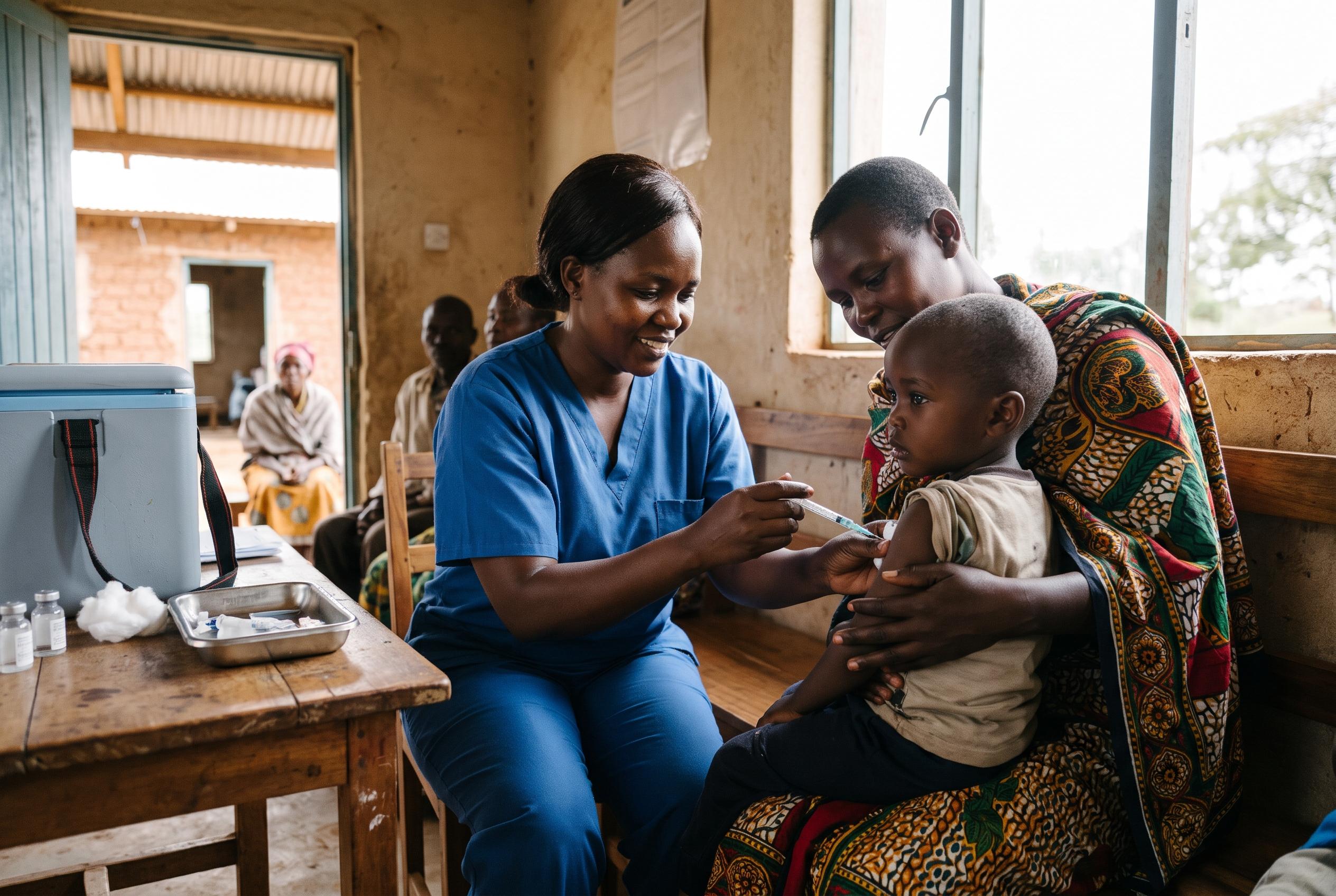

UNICEF and Gavi have negotiated a 40% reduction in the price of the RTS,S/AS01 vaccine, potentially saving immunisation programmes US$50 million and expanding access across Africa.
UNICEF and Gavi have secured a lower price for the RTS,S/AS01 malaria vaccine, a move that could expand access for children in countries where the disease remains one of the biggest killers. The two organisations said on 22 October that the price would fall by about 40% to €5.50 a dose, with the change expected to take effect in early 2027 if manufacturing and regulatory milestones are met.
According to UNICEF and Gavi, the agreement could save about US$50 million for childhood immunisation programmes between 2027 and 2029. They said the reduction could help finance the full four-dose course for up to one million additional children, or free up money for other vaccines and health needs. UNICEF said the price cut depends on steps including World Health Organisation prequalification of a new manufacturing facility before it begins procurement.
The vaccine has become an important tool in the fight against malaria, a mosquito-borne disease that can be fatal, particularly for young children. The World Health Organisation first recommended RTS,S/AS01 for widespread use among children at risk in 2021. The vaccine was developed by GSK, PATH and their partners, and Bharat Biotech is taking over production to expand supply under the brand name Mosqivac.
UNICEF says the four-dose course can cut malaria cases by about 75% when used seasonally in places where transmission is highly seasonal, but it is not a stand-alone solution. Children still need mosquito nets, vector control, prompt diagnosis and treatment, and other preventive measures to limit infection and severe disease. A second malaria vaccine, R21/Matrix-M, also received WHO recommendation in 2023.
The price reduction comes as demand has outpaced early expectations since malaria vaccination programmes began rolling out in 2024. UNICEF says more than 74 million doses have been procured and delivered, and the vaccine is now part of routine immunisation in 25 African countries. That rollout matters because malaria remains a major public health threat: in 2024, there were an estimated 282 million cases and 610,000 deaths worldwide, with Africa carrying the overwhelming burden and children under five accounting for most malaria deaths in the region.
Disclaimer: This content is for informational purposes only and is not intended to be a substitute for professional medical judgment, advice, diagnosis, or treatment.