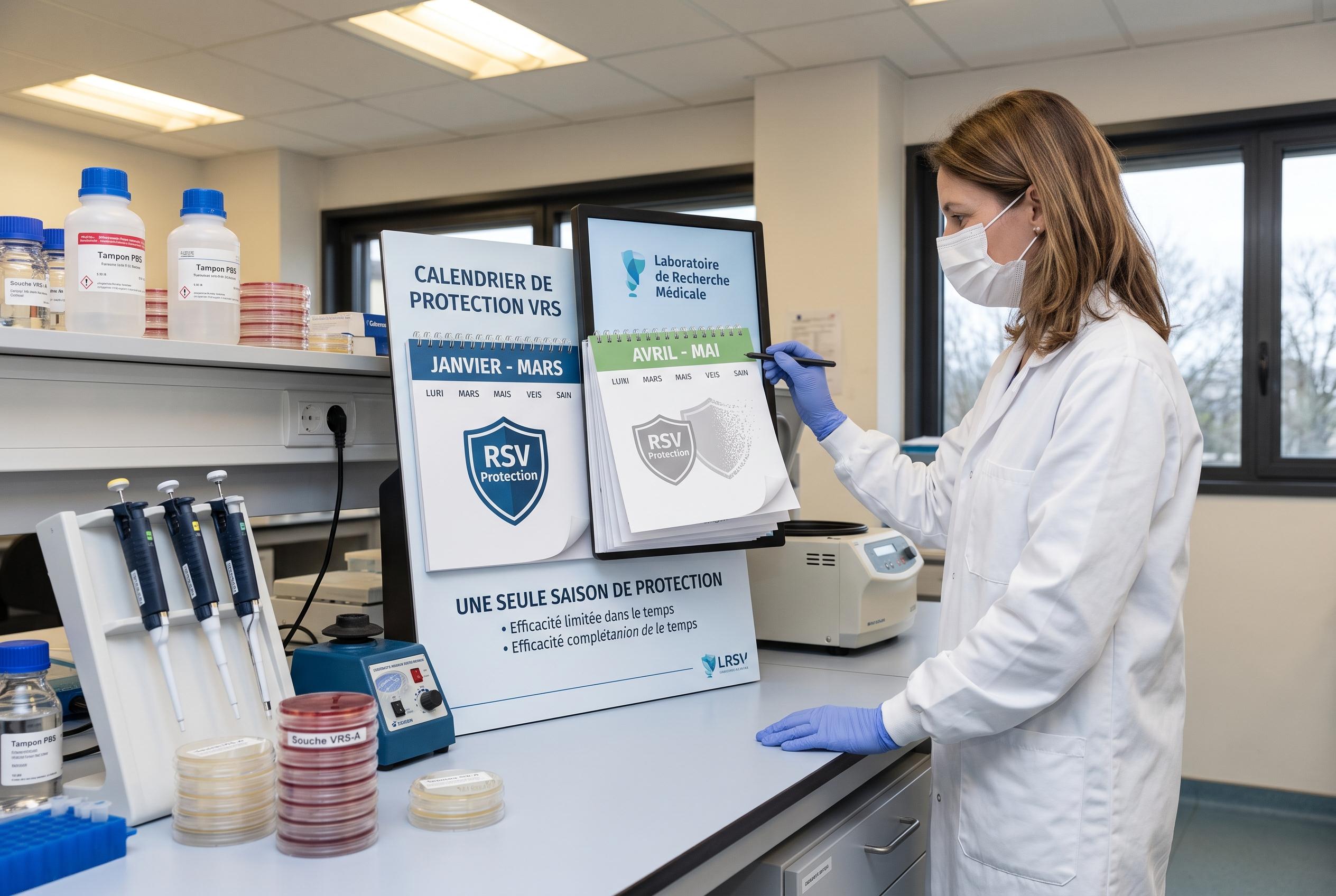

While nirsevimab significantly reduces hospitalisations during the first RSV season, French researchers find its protective effect diminishes sharply by the following year, highlighting timing considerations for infant immunisation strategies.
Babies given the RSV monoclonal antibody nirsevimab are much less likely to end up in hospital during their first respiratory syncytial virus season, but French researchers say the benefit appears to fade by the following year, raising questions about how long the protection lasts.
The finding adds to a growing body of evidence that the preventive shot can sharply cut severe illness in infants. A study in JAMA Network Open covering more than 409,000 infants during the 2024-25 season found hospitalisation rates of 0.4% among treated babies versus 1.2% among untreated babies, while the US Centers for Disease Control and Prevention reported that nirsevimab was about 90% effective against RSV hospitalisation in an early estimate from the 2023-24 season. Other population studies, including one from Spain, have also linked the antibody with fewer RSV-related admissions in infants.
But the French team’s analysis suggests that this protection may be short-lived. Researchers compared vaccinated and unvaccinated babies aged 4 to 5 months across the 2023 and 2024 RSV seasons, then followed them into the second year after vaccination. During the first season, 0.8% of vaccinated babies and 2.4% of unvaccinated babies were hospitalised in 2023, while the equivalent figures in 2024 were 0.5% and 1.9%. By the second year, they found no meaningful difference in hospital admissions, pointing to a benefit that lasts for one season rather than two.
That does not undermine the broader public health case for nirsevimab, but it does help define its limits. CDC estimates show that RSV prevention is still not reaching every infant in the United States, with roughly 29% immunised during the 2023-24 season through either nirsevimab or maternal vaccination. The new findings suggest that timing remains crucial: nirsevimab appears to be a strong tool for protecting babies during their most vulnerable months, yet it should not be expected to provide lasting cover into the next RSV season.
Disclaimer: This content is for informational purposes only and is not intended to be a substitute for professional medical judgment, advice, diagnosis, or treatment.