


A phase III trial in China finds that administering the 15-valent pneumococcal conjugate vaccine alongside DTaP at the same visit does not compromise immune response in 3-month-old infants, supporting coadministration practices.
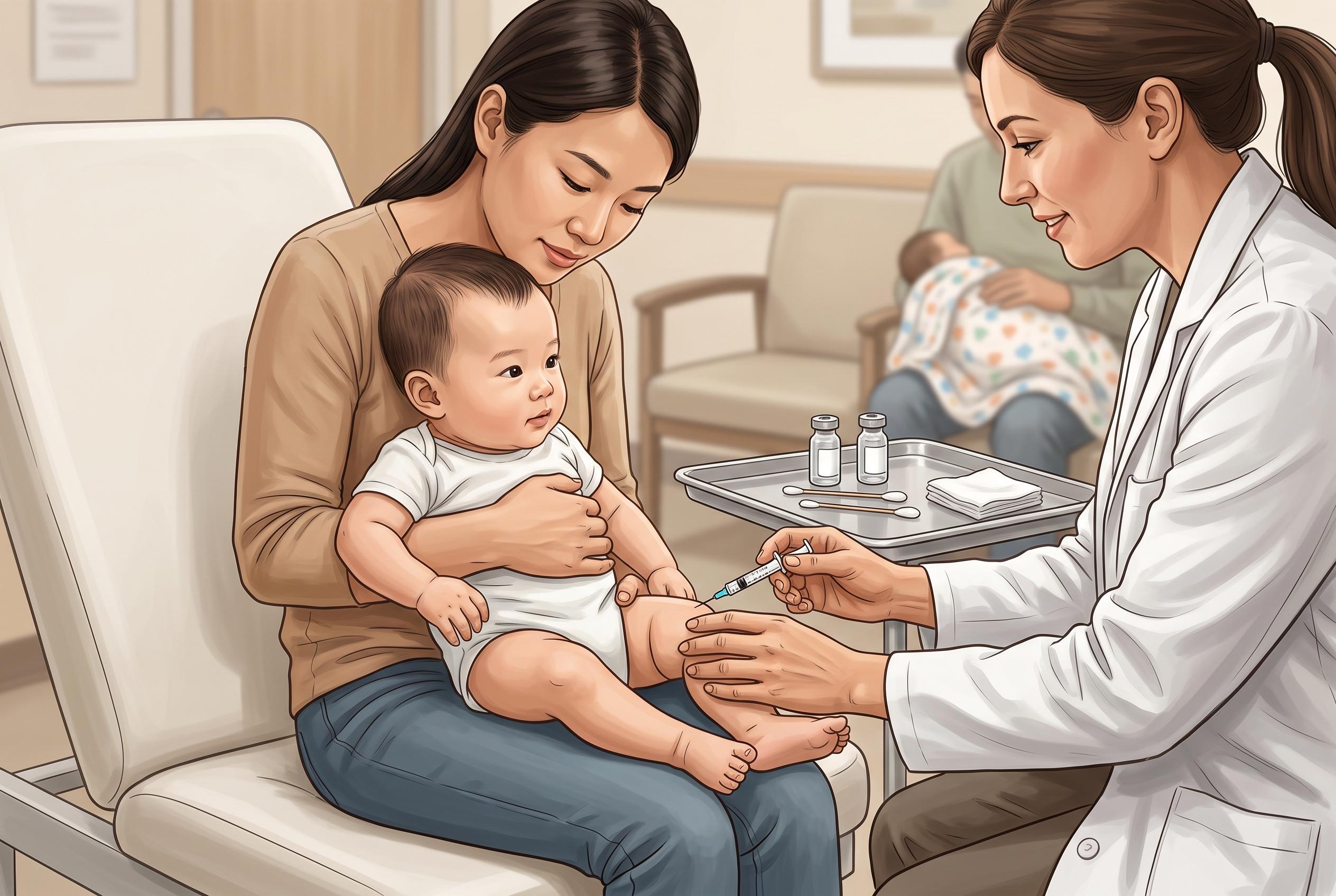
A phase III trial in Hebei Province, China, suggests that giving the 15-valent pneumococcal conjugate vaccine, or PCV15, at the same visit as the adsorbed acellular diphtheria-tetanus-pertussis vaccine, known as DTaP, does not blunt the immune response in healthy 3-month-old infants. The study, published in Human Vaccines & Immunotherapeutics and indexed by PubMed, enrolled 1,110 babies and compared three approaches: both vaccines on the same day at separate injection sites, the same vaccines given seven days apart, and DTaP alone. Researchers said the coadministration strategy met the trial’s main immunogenicity target, while the staggered schedule did not perform as well for two pertussis-related antibody measures.
In the group that received PCV15 and DTaP together, antibody responses to all four DTaP components were non-inferior to DTaP alone. By contrast, when the vaccines were separated by a week, responses to pertussis toxin and filamentous haemagglutinin failed the study’s non-inferiority threshold, and the anti-pertussis toxin seroconversion rate was significantly lower. The authors said this was notable because earlier work with PCV13 had not shown the same kind of interference, and they suggested the difference may relate to how the longer schedule altered the immune timeline.
The pneumococcal response was also broadly strong. According to the study summary, positive antibody rates exceeded 90% for 14 of the 15 serotypes in both PCV15 groups, with serotype 3 just below that mark in the separated-dose arm. Safety was judged acceptable, even though reported adverse events were numerically higher in the interval group; investigators said that was expected because that arm had more follow-up visits and more total doses. Serious adverse events were uncommon and were not considered vaccine-related.
The findings add to a wider evidence base showing PCV15 is a workable paediatric option. The CDC said in 2022 that PCV15 could be used in U.S. children aged 6 weeks through 17 years, and reviewed seven randomised trials involving 4,778 participants, finding a safety profile similar to PCV13. Earlier infant studies also found PCV15 non-inferior to PCV13 for most shared serotypes. For parents and clinicians, the new Chinese trial points to a practical takeaway: coadministration at separate injection sites appears preferable to delaying one vaccine by a week, because the simultaneous approach preserved immune responses without raising major safety concerns.
Disclaimer: This content is for informational purposes only and is not intended to be a substitute for professional medical judgment, advice, diagnosis, or treatment.


