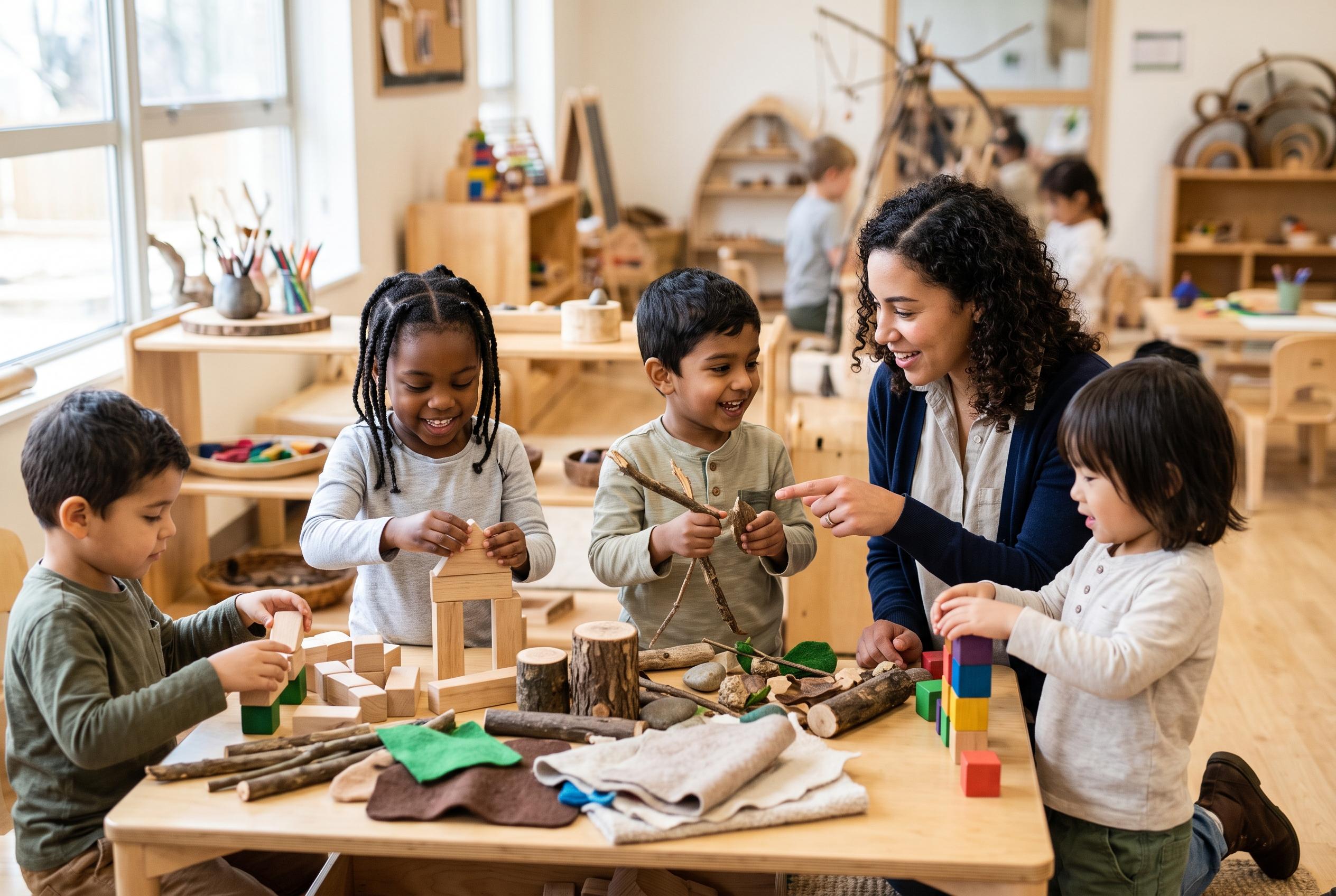

A Psychology Today article challenges the traditional view of children as passive sponges, emphasising the importance of hands-on activity, interactive communication, and limits on screen time to foster healthier brain development and learning outcomes.
The familiar image of children as sponges may be catchy, but it is also misleading, according to a Psychology Today essay that argues young minds are not passive containers for language and experience. The piece uses a striking comparison with sea squirts, marine animals that begin life with a brain and lose it after settling in place, to make a broader point: healthy brain development depends on activity, not stillness. The article says the sponge metaphor encourages adults to think of children as soaking up information without effort, when in fact they learn most effectively by doing.
That distinction matters at home, where everyday interaction is central to early development. The Psychology Today essay argues that toddlers and infants learn through action: dropping a spoon, stacking blocks and testing what happens next all build understanding. Research highlighted by the University of Southern California’s Dornsife magazine supports that view, describing children as active participants in their own learning rather than passive receivers. The article says children do not merely absorb knowledge; they help create it by asking for help, experimenting and sharing information in their communities.
The same logic, the essay argues, applies to language and screens. Talking with children is beneficial, but talking at them is not the same thing as giving them a chance to speak, answer and practise conversation. The article warns that replacing that back-and-forth with tablets or videos can create what paediatric specialists call “technoference” – digital distraction that interferes with interaction. HealthyChildren.org, the American Academy of Paediatrics’ parent advice site, has also warned that too much screen time in very young children is linked with poorer sleep and other health concerns, reinforcing the case for limits rather than passive exposure.
The argument extends into classrooms as well. The Psychology Today essay says play is often treated as a break from learning, when it is often the mechanism of learning, especially for younger children. USC Dornsife and the article both point to evidence that children who have more chances for active learning tend to show stronger attention and better academic outcomes. For parents and educators, the message is straightforward: children are not sponges to be filled, but active learners who need room to move, speak, explore and solve problems for themselves.
Disclaimer: This content is for informational purposes only and is not intended to be a substitute for professional medical judgment, advice, diagnosis, or treatment.