
Chile’s recent PISA assessment reveals a long-standing decline in student performance, emphasising the critical importance of prioritising early childhood education to bridge the widening achievement gap.
Chile’s latest PISA results have reignited a familiar debate about how the country teaches its children, after the 2025 assessment showed a clear setback in reading and mathematics. The figures point to a system still struggling to lift basic achievement, with many 15-year-olds failing to reach the minimum standard in maths and performance in reading and science also slipping below the OECD average.
In mathematics, the decline is especially stark. Reports on the assessment show that just 41% of Chilean students reached at least Level 2, the OECD’s baseline for basic competence, leaving 59% below that threshold. Analysts have described that level as the point at which pupils can handle simple real-world tasks such as comparing distances or converting prices between currencies. Chile also recorded its weakest-ever maths result, and the gap with the OECD remains wide.
The wider pattern is one of long-term stagnation. Commentators in El País noted that the latest setback follows a decade of decline, sharpened by the pandemic and prolonged school closures. At the same time, the same reporting said Chile has made some progress on equity, with the score gap between advantaged and disadvantaged students narrowing, even as overall performance remains stuck.
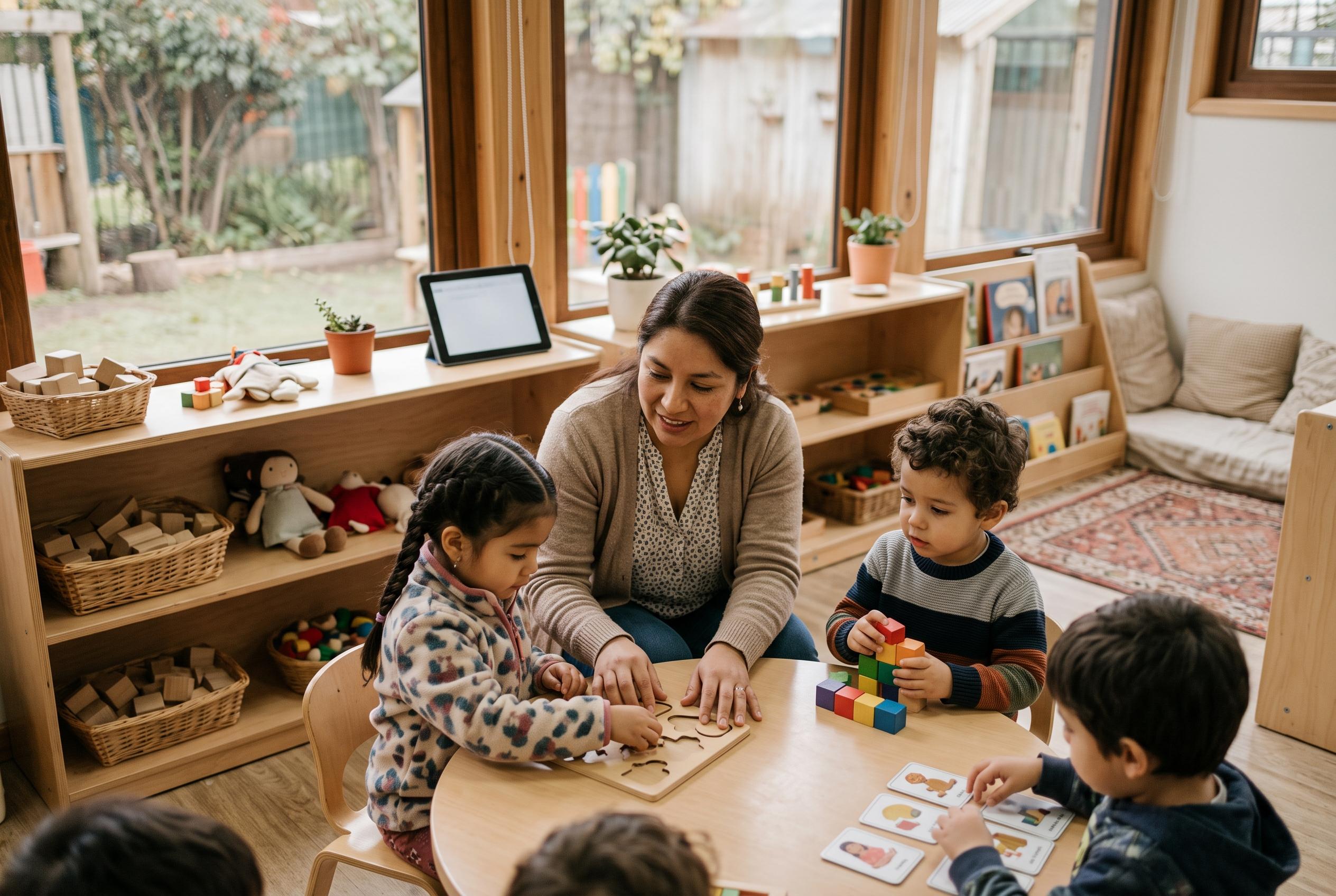
That is why María Paz Oyarzún, executive director of Fundación Integra, argues that the answer must begin far earlier than secondary school. Writing in La Discusión, she said the country is facing a learning gap of about three years compared with the OECD, and that early childhood education offers a crucial chance to narrow it. Her case is that the first years of life are a rare period when play, stimulation and social interaction can shape later reading and numeracy. If Chile wants better PISA results in the future, she suggests, it must start by making the most of those first years.
Disclaimer: This content is for informational purposes only and is not intended to be a substitute for professional medical judgment, advice, diagnosis, or treatment.