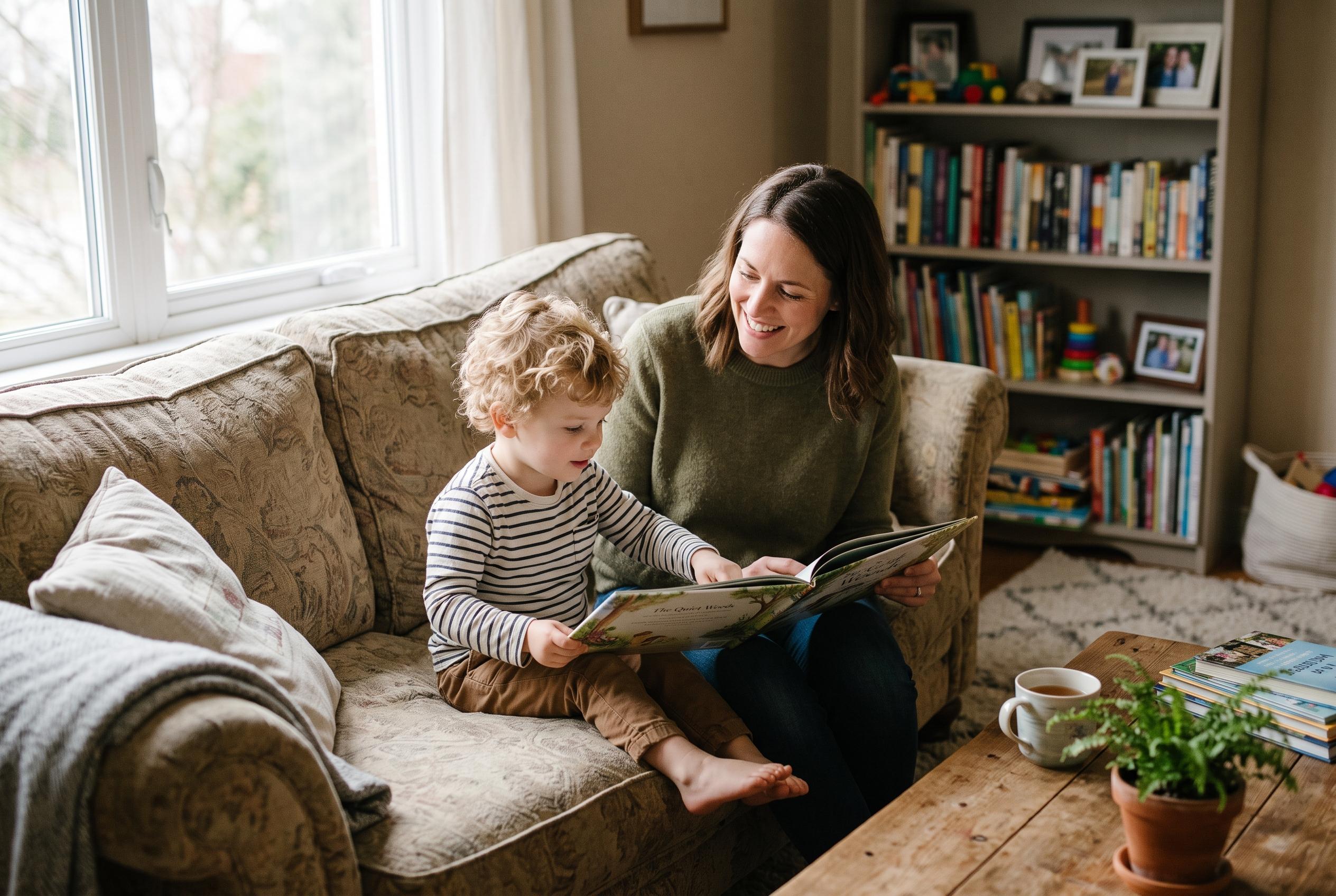

A supportive and predictable home environment is key to recognising and addressing children’s emotional distress early, paving the way for healthier long-term wellbeing.
Parents often focus first on grades, but a child’s emotional health is what makes learning possible in the first place. The school day teaches reading, maths and routine; home is where children learn how to handle disappointment, anxiety and change. That does not mean parents need perfect answers. It means creating a steady place where children feel safe enough to speak honestly, make mistakes and recover.
One of the hardest parts of spotting distress is that children do not always describe it directly. According to the Mayo Clinic, warning signs can include persistent sadness, withdrawal from friends, changes in sleep or eating, and in more serious cases self-harm. UNICEF says stress in children may also appear as stomach aches, headaches, irritability or a sudden loss of interest in activities they once enjoyed. These signs can be easy to dismiss, but when they linger or appear together, they deserve attention.
Behaviour often tells the story before words do. A child who lashes out, becomes clingy or starts refusing everyday tasks may be trying to signal fear, frustration or a need for control. The Kids Mental Health Foundation says stress can show up as avoidance, emotional outbursts and trouble concentrating, while routine and open conversation can help children regain a sense of calm. Looking beneath the behaviour allows parents to respond with empathy rather than only discipline.
A supportive home does not have to be elaborate. Simple habits matter: regular check-ins, predictable meals and bedtimes, and a calm response when a child shares something difficult. PBS KIDS for Parents notes that acknowledging children’s feelings, rather than brushing them aside, helps them build emotional resilience. Children also learn by watching adults, so when parents name their own stress and model healthy coping, they show that difficult feelings can be handled safely.
There is a line between ordinary stress and a deeper problem. Medical News Today reports that short-term pressure can sometimes motivate children, but chronic stress may harm both physical and mental health. When anxiety, sadness or fear interferes with school, friendships or family life, it may be time to seek help. Mayo Clinic says that healthcare professionals can assess symptoms, rule out other causes and discuss treatment options such as psychotherapy and, when appropriate, medication. Reaching out is not a sign of failure; it is part of protecting a child’s long-term wellbeing.
Disclaimer: This content is for informational purposes only and is not intended to be a substitute for professional medical judgment, advice, diagnosis, or treatment.