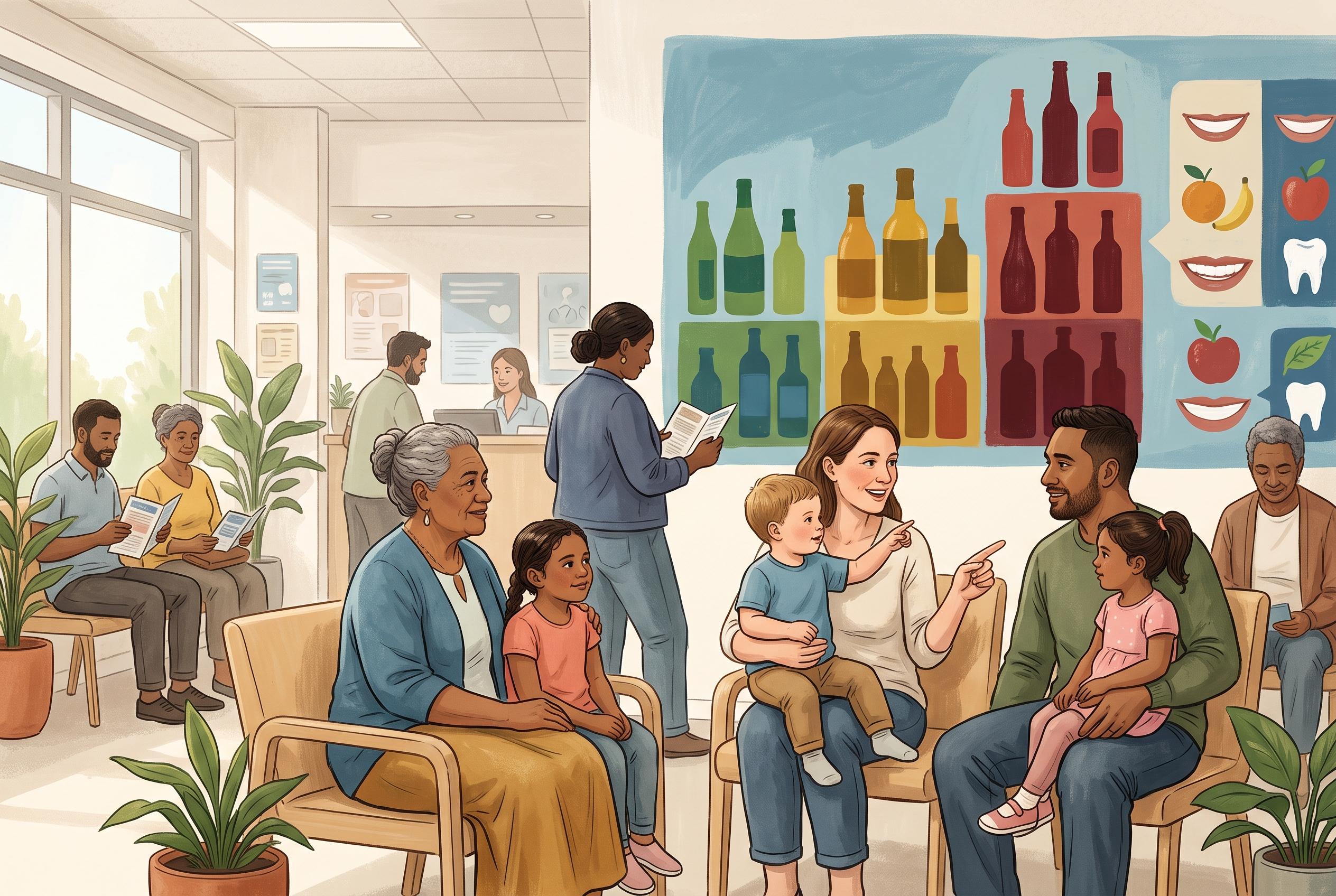

A white paper from the New Zealand Dental Association proposes a tiered sugary drink levy to reduce tooth decay and save NZD 2.2 billion in healthcare costs, putting pressure on political parties ahead of the November election.
A new white paper from the New Zealand Dental Association says a tax on sugary drinks could spare the health system as much as NZD 2.2bn, adding fresh pressure on political parties to back stronger action on oral health before the November election. The association wants a tiered excise duty based on sugar content, modelled on Britain’s Soft Drinks Industry Levy, with the money set aside for dental care, community oral health services and school water fountains.
The association says the case for intervention is grounded in both public health and fairness. Sugary drinks remain a major source of added sugar for children and young people in New Zealand, and the group links them not only to tooth decay but also to weight gain and obesity. It has also argued for related measures, including clearer warning symbols on packaging and tighter controls on marketing aimed at children.
Dr Rob Beaglehole, the NZDA senior adviser, said tooth decay is the country’s most common preventable disease and blamed sugary drinks for a large share of the damage. He said the burden is especially heavy on children, including very young ones, who are having teeth removed for avoidable reasons. The association says Māori and Pasifika children face the highest levels of severe decay and would benefit most from lower disease rates and any funding returned to frontline care.
The dental group’s argument is backed by a growing body of research. A major review by the University of Otago found that a 10% tax on sugary drinks was associated with an average 10% fall in purchases and consumption in places where such levies were introduced, including cities in the US, Spain, Chile, France and Mexico. The NZDA says the UK’s levy, introduced in 2018, offers a practical example of how taxing high-sugar drinks can change behaviour and reduce pressure on hospitals. With election campaigning under way, the association wants every party to set out where it stands on the proposal.
Disclaimer: This content is for informational purposes only and is not intended to be a substitute for professional medical judgment, advice, diagnosis, or treatment.