
Acute malnutrition among children under five has halved since 2025, but aid groups warn that fragile gains depend on sustained access to food, treatment and functioning markets.
Doctors working in Gaza say signs of recovery among malnourished children are real, but still perilous, after a new MedGlobal study found sharp declines in acute hunger among children under five following the October 2025 ceasefire. The organisation said acute malnutrition fell from 16.8% in July 2025 to 8.4% in July 2026, while severe acute malnutrition dropped from 6.8% to 2.1%. MedGlobal linked the improvement to wider humanitarian access and expanded treatment, but warned that the gains could quickly unravel if support falters.
For paediatrician John Kahler, who worked in Rafah early in 2024, the numbers do not erase what he saw on the ground. He described walking past a rubbish dump and mistaking a family’s search for a tent site for salvage work, only to realise they were trying to shelter themselves. He also recalled crowded clinics where hundreds of patients arrived each day, including children with seizures, long-term illnesses and no access to specialist care outside Gaza. The experience, he said, showed how quickly ordinary family life had collapsed into a fight for survival.
MedGlobal’s October report is based on two separate surveys, not on repeated checks of the same children, which means the findings show a broader population trend rather than proving that every severely malnourished child has recovered. In July 2026, the group surveyed 1,304 households and assessed 1,250 children aged six to 59 months across four districts. The contrast with the previous year was especially stark in northern Gaza, where acute malnutrition had stood at 25.6% in July 2025, according to the organisation. MedGlobal also reported a rise in exclusive breastfeeding, from 34.1% to 58.1%, alongside expanded screening, treatment, maternal support and community outreach.
The report included individual cases that illustrate what recovery can look like when care reaches children in time. One girl, Yara, was admitted to a MedGlobal-supported stabilisation centre in Khan Younis in December 2025 weighing just 7.76 kilograms and classed as severely malnourished. After treatment and follow-up, her weight rose to 9.36 kilograms. Zaher Sahloul, MedGlobal’s president and a pulmonary and critical care physician who helped found the group in 2017, said the humanitarian environment in Gaza has remained devastating even when treatment is available. He described an early 2024 mission at Nasser Hospital in Khan Younis, where displaced families were sheltering around the building and patients were lying on mattresses in corridors. “It’s like you are transported to a parallel universe,” he said.
Sahloul also recalled the aftermath of a nearby strike that sent about 200 casualties to the emergency department, where there were too few beds and some patients were treated on the floor. He said he later showed photographs from the mission to then-President Joe Biden to try to convey the human toll of the war. MedGlobal said its teams screened more than 100,000 children under five between July 2025 and July 2026, supported treatment for more than 21,500 children and counselled 65,704 mothers and caregivers. Even so, the organisation warned that 74,200 children may still need treatment for acute malnutrition through April 2027, while about 1.4 million people in Gaza remain in crisis-level or worse food insecurity.
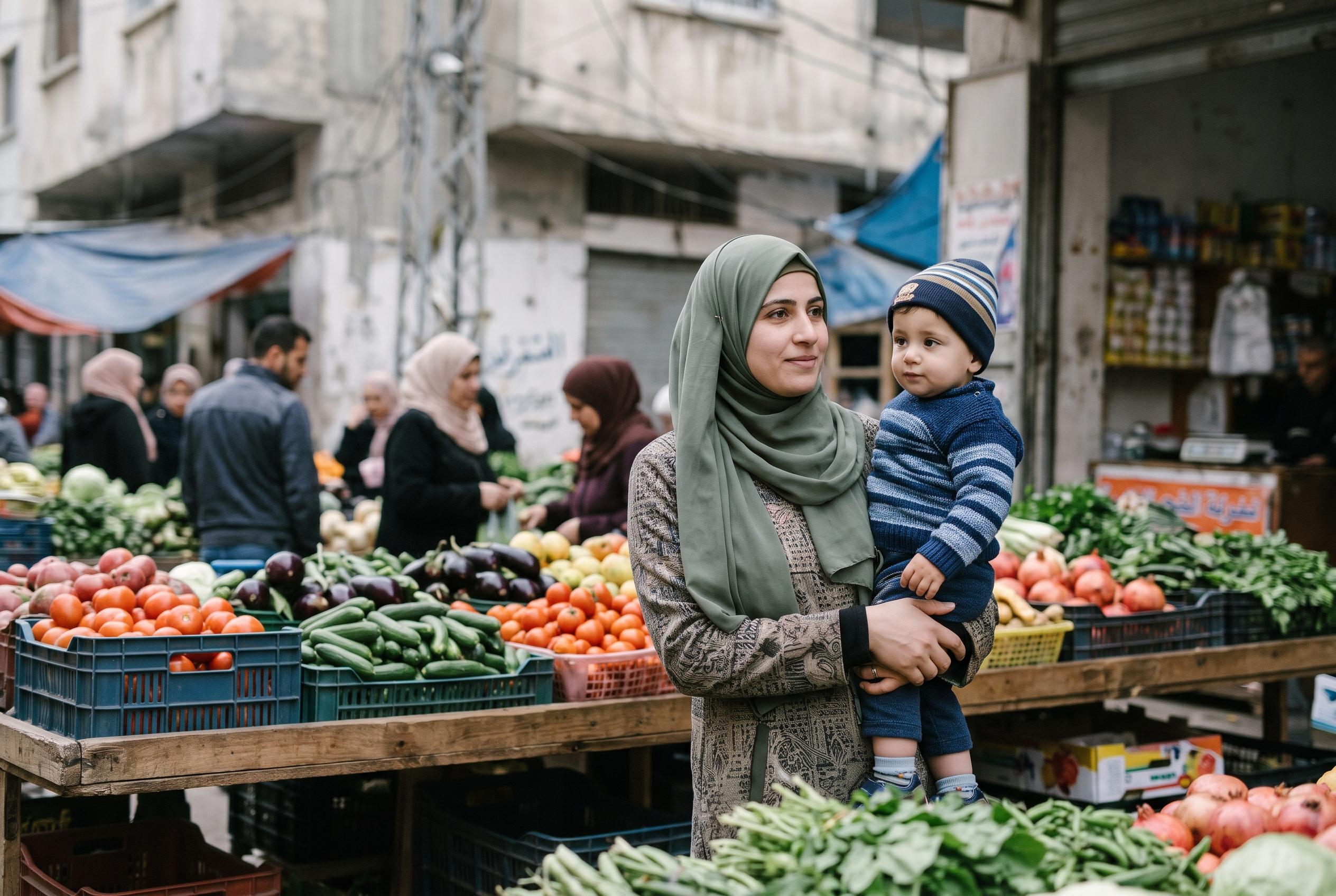
That warning is echoed by other humanitarian data. The United Nations has said more than 1,400 Palestinians have been killed since the ceasefire took effect, underscoring how unstable conditions remain despite a reduction in large-scale fighting. The Associated Press reported on October 15 that commercial goods had not entered Gaza for two days, disrupting deliveries of items including fruit and winter clothing. Humanitarian agencies can provide staples, but they cannot on their own replace functioning markets, which are needed to supply fresh food and keep prices within reach. For doctors and aid workers, that distinction may decide whether the recent improvement in child nutrition becomes a lasting turnaround or only a brief pause in a continuing crisis.
Disclaimer: This content is for informational purposes only and is not intended to be a substitute for professional medical judgment, advice, diagnosis, or treatment.