
Research shows that children’s anxiety about returning to school can be alleviated by calming weekends, with families emphasising the importance of downtime and predictable routines during the first week back.
For many families, the first week back at school is only part of the adjustment. New research from children’s wellbeing platform Super Chill suggests that children are not just worried about getting through the school day; they are also looking ahead to what comes after it. More than three in five children said that having a calm weekend with family to look forward to after their first week back would make them feel better about returning to school.
The findings point to a wider strain on households as the new term gets under way. Super Chill said nearly seven in ten parents believe their child needs more downtime than usual in that first week, while a similar share think the promise of a quiet weekend would help their child feel less anxious. Parents also appear to be carrying some of the burden themselves, with many saying they keep their own worries to themselves and that the opening week is the most stressful part of the school return.
Children’s concerns are varied, but the research suggests that uncertainty is a major factor. More than half said they worry about having new teachers, while others said they are uneasy about not knowing what to expect or about changes to routine. Among those who usually feel anxious about going back, many reported sadness, poor sleep or stomach aches, a reminder that back-to-school stress can show up both emotionally and physically.
The message is echoed by other research on children’s wellbeing. A study presented at the SLEEP 2025 annual meeting found that teenagers who sleep up to two extra hours at weekends tend to report fewer anxiety symptoms than those who do not, although sleeping too much can have the opposite effect. Stanford researchers have also found that slow breathing can quickly reduce children’s stress levels, while other studies have linked physical activity, mindfulness and unstructured play with better mood and lower tension. Education experts say predictability matters too: when children can rehearse what comes next, the transition feels less daunting.
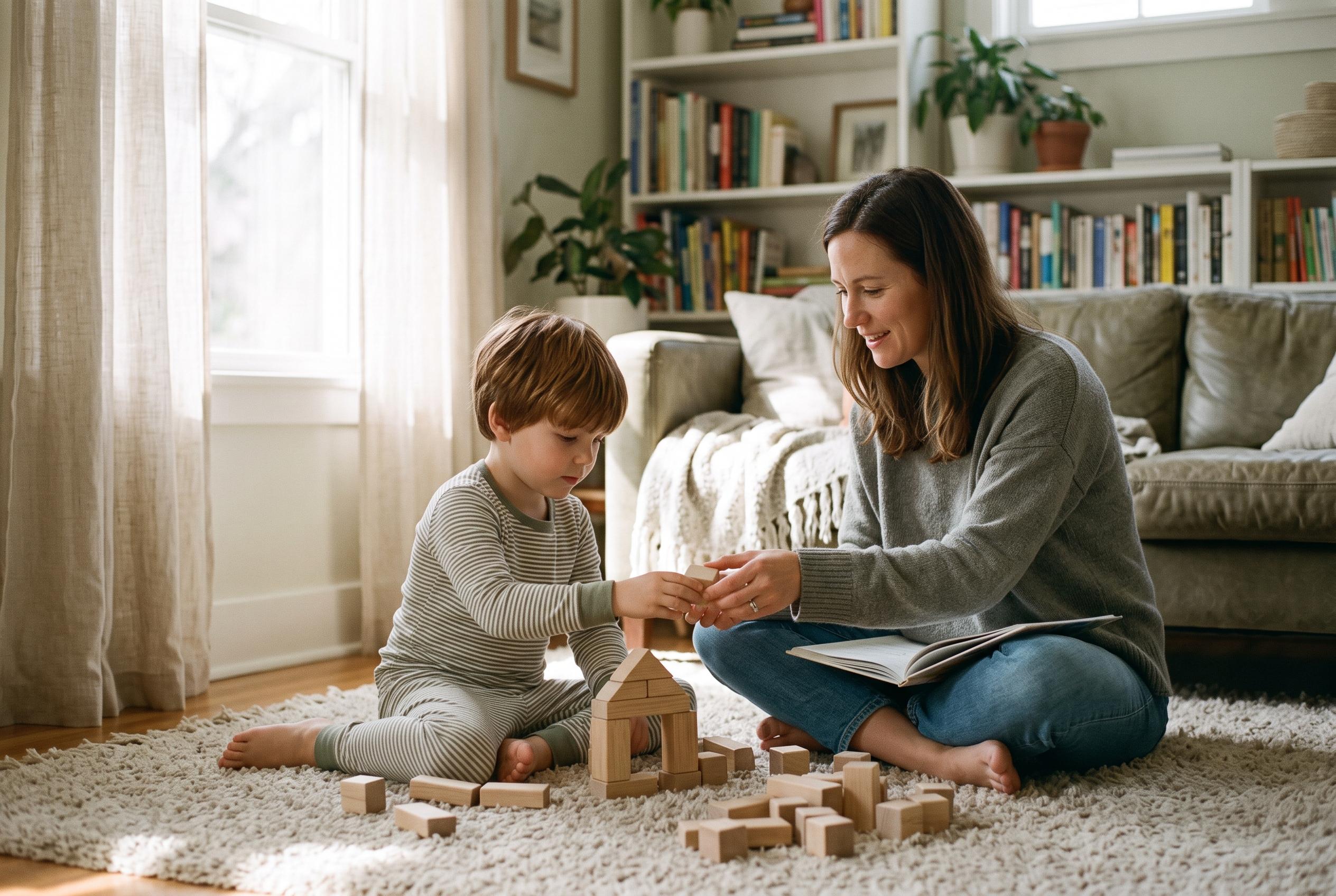
Super Chill has responded with its Soft Landing September campaign, which encourages families to ease the pressure rather than pack the weekends with activities. The idea is simple: leave space for a slower morning, a walk, a film or a quiet conversation about how school is really going. In a season built around fresh starts, the platform’s research suggests that what many children need most is not more to do, but a little room to settle.
Disclaimer: This content is for informational purposes only and is not intended to be a substitute for professional medical judgment, advice, diagnosis, or treatment.