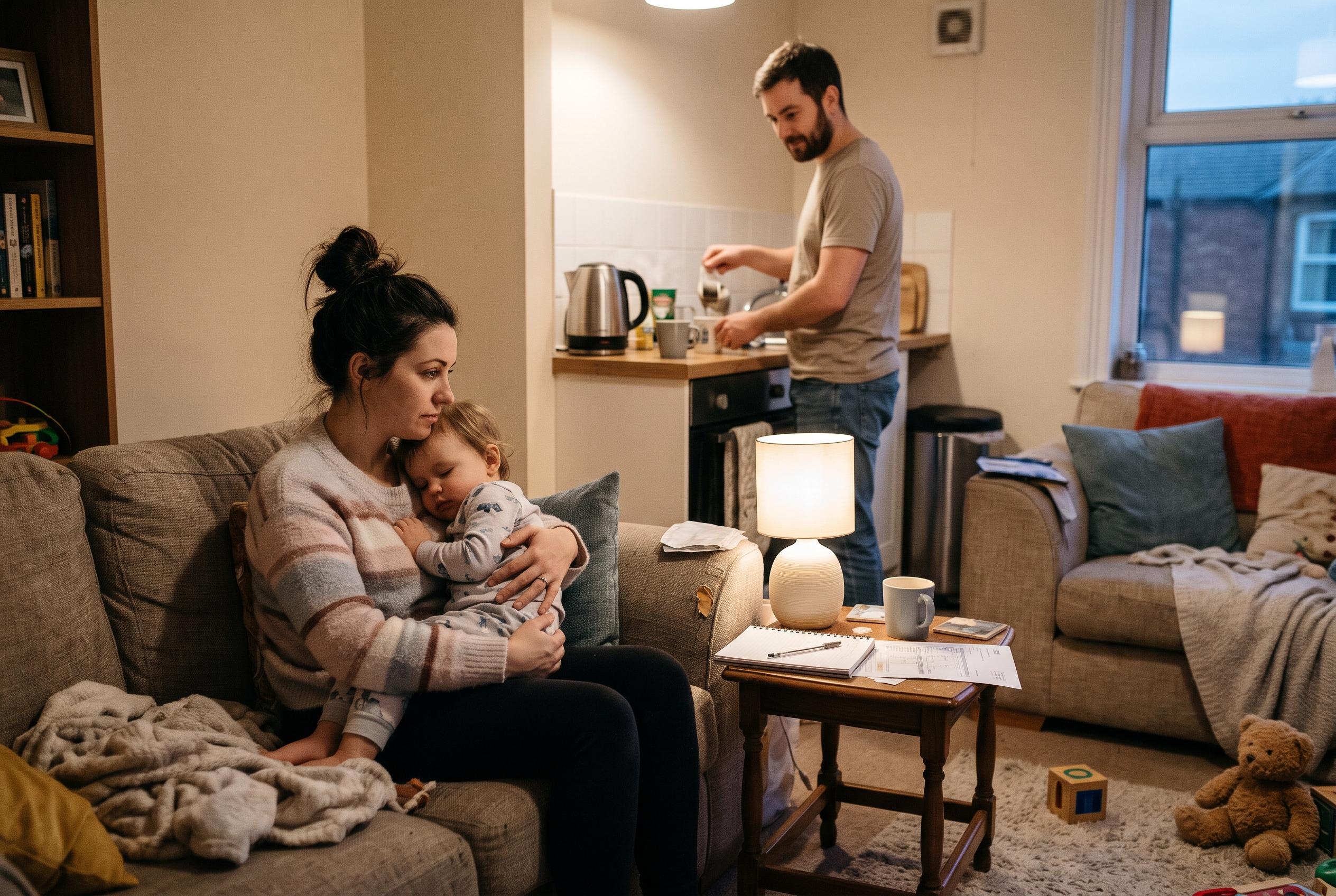

Persistent worry, poor sleep and an inability to relax can signal more than everyday parental stress. Practical routines, shared responsibilities and professional support can help families cope.
Parents often carry a quiet kind of strain: the constant mental juggling that comes with school runs, work deadlines, household jobs, meals, childcare and the worry that something important might be slipping through the cracks. The stress can be especially intense when the day is finally over and the mind refuses to switch off. As the COVID-19 pandemic showed, those pressures can sharpen quickly, but they did not disappear when daily routines returned. Many families are still coping with financial demands, demanding schedules and the emotional weight of trying to hold everything together.
There is a difference between ordinary concern and anxiety that begins to affect sleep, concentration, relationships or day-to-day parenting. The National Institute of Mental Health says anxiety disorders can involve persistent, hard-to-control worry that interferes with normal functioning, and parents may notice this as restlessness, irritability, muscle tension, fatigue or ongoing difficulty relaxing. The Mental Health Foundation also notes that parents with mental health problems can still care for their children safely and lovingly, but may need extra support. Recognising the difference matters because persistent anxiety is not something that parents should simply push through.
One of the most practical habits is to make room for gratitude, even on difficult days. That does not mean ignoring real problems or pretending that family life is easy. It means deliberately noticing small things that are going well: a calm morning, a child’s joke, a meal that went smoothly or an act of help from someone else. The simple practice of writing down a few things each day can help shift attention away from relentless worry. HealthyChildren.org recommends using positive language and open conversation to help families talk about mental health, and that approach works just as well when parents are trying to build steadier emotional habits at home.
Another important step is accepting that “good enough” really is enough. Parents often make anxiety worse by setting impossible standards for themselves, then feeling guilty when the day unravels. In practice, that can mean simplifying dinner, putting laundry off until tomorrow or choosing the three most important tasks instead of trying to complete everything at once. Asking for help is part of that same approach. Whether support comes from a partner, relatives, friends or older children who can take on age-appropriate chores, sharing the load can reduce the sense that everything depends on one person alone.
It also helps to protect time for enjoyment, not just productivity. Many parents lose sight of hobbies and small pleasures because every spare minute seems to belong to someone else. Reading, walking, gardening, listening to music, playing a game or taking a quiet shower can all count as meaningful breaks. The point is not to create another obligation, but to remember that rest and pleasure are part of keeping mental health steady. Even shared family activities can be restorative, as long as parents also claim some time that is truly their own.
Self-care should be understood in practical, unglamorous terms. Sleep, regular meals, hydration, movement and a few minutes of calm can all matter more than elaborate wellness routines. The U.S. Department of Health and Human Services says parents should pay attention to their own mental health as well as their children’s, and that includes noticing when exhaustion, poor sleep or constant nervousness are making life harder. For some people, simple breathing exercises or mindfulness can help; for others, a short walk or a better bedtime routine is more useful. The key is to keep the habits realistic enough to repeat.
Parents should also remember that anxiety is not a moral failing, and it is not something they need to hide from everyone around them. Speaking with a trusted partner, friend or family member can make worries feel more manageable, especially when the goal is practical help rather than advice. HealthyChildren.org encourages families to talk openly about mental health and model calm, supportive communication, while Nationwide Children’s Hospital recommends that parents stay alert to changes in mood or behaviour, both in themselves and in their children. Children benefit when adults show that feelings can be discussed without shame.
For some parents, especially those with young children, anxiety can be intensified by the sheer lack of time and privacy in the day. For others, homeschooling, work-from-home demands or financial uncertainty can make the pressure feel relentless. The research on parental stress during the pandemic found that employment pressures and household responsibilities were significant contributors to distress, and many of those same stressors remain in place. When worry becomes constant, sleep is regularly disrupted or daily responsibilities are becoming unmanageable, it is time to speak with a healthcare professional rather than trying to manage alone.
Professional help can make a real difference. The National Institute of Mental Health says evidence-based treatment for anxiety disorders may include psychotherapy, medication or both, and cognitive behavioural therapy is one of the best-studied approaches. That support is not only for crisis points. Parents do not have to wait until they feel at breaking point before seeking help. In the United States, urgent support is available by calling or texting 988 if there is immediate danger or a mental health crisis.
Above all, parents need to hear that struggling does not mean failing. Families are stronger when adults are honest about their limits, realistic about their responsibilities and willing to ask for support. Small habits can help: a gratitude list, a simpler schedule, a short break, a walk outside, a better bedtime routine or a conversation with someone who listens. Those changes may not solve every problem, but they can make the load feel lighter. And when anxiety is more than a passing phase, getting professional support is an act of care for the whole family.
Disclaimer: This content is for informational purposes only and is not intended to be a substitute for professional medical judgment, advice, diagnosis, or treatment.