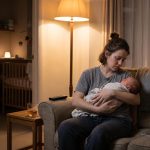
An Irish study finds that fragmented sleep, constant vigilance and unequal caring responsibilities leave first-time parents exhausted in ways that go well beyond lost hours in bed.
Sleep loss in the months after childbirth is so common that many new parents come to see exhaustion as normal. But a new qualitative study from Ireland suggests the problem is not just physical deprivation: it is also emotional, mental and deeply shaped by gender. The paper, published in PLOS One, found that first-time parents often entered the postpartum period expecting to be tired, but were still unprepared for how broken sleep, constant alertness and worry would affect their wellbeing. That matters because sleep problems in new parents are already closely linked with mood changes and postpartum depression, and poor sleep quality is widely reported during the first six months after birth.
Researchers interviewed 14 first-time parents between October and December 2025, including 10 mothers and four fathers, to explore how they experienced tiredness, sleep loss and wellbeing after becoming parents for the first time. Four themes emerged: the gendered nature of sleep in early parenthood, difficulty getting restorative sleep, broader wellbeing struggles, and the way parents adjusted and carried on. The accounts show how quickly sleep becomes bound up with identity and responsibility. Mothers described carrying the bulk of night-time care and household labour, while fathers often wrestled with uncertainty about their role, especially when work returned only a short time after birth.
One of the clearest findings was that sleep deprivation was not simply about hours slept, but about the quality of sleep and the mental state that came with it. Parents described “broken” sleep that left them technically asleep for enough time but still unable to feel rested. Several said they felt exhausted yet unable to switch off because they were checking on the baby, worrying about breathing, temperature or safety, or feeling responsible for being alert during feeds. That pattern mirrors broader evidence that new parents often struggle with insomnia-like symptoms, stress and fragmented sleep, and that sleep deprivation can feed directly into anxiety and low mood.
The study also highlights how practical coping strategies only go so far when the underlying pressures remain unchanged. Parents tried sleep hygiene measures such as reducing screen time, using white noise, blackout blinds and supplements, but many also admitted that advice to “sleep when the baby sleeps” ignored the realities of feeding, cleaning, recovery and constant vigilance. Some parents found reassurance in telling themselves the period would pass, yet others felt dismissed by health professionals who treated tiredness as an inevitable rite of parenthood rather than something that could affect mental health, bonding and daily functioning. The findings support calls for routine, more holistic sleep discussions in postnatal care, alongside better education about postpartum depression, practical support at home and stronger backing for parents who need help before exhaustion tips into crisis.
Disclaimer: This content is for informational purposes only and is not intended to be a substitute for professional medical judgment, advice, diagnosis, or treatment.