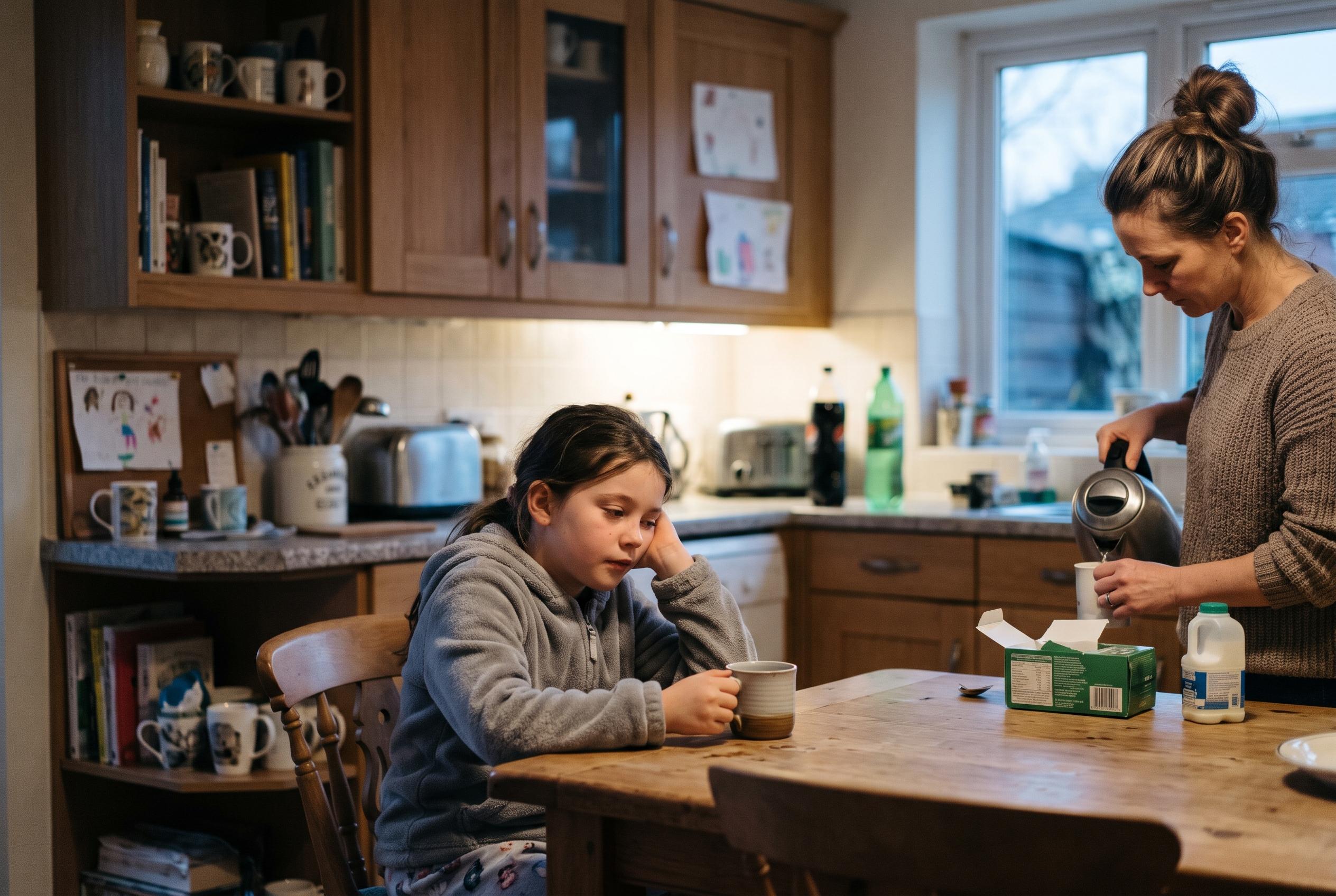

A study of more than 9,600 children found that higher caffeine intake, often from soft drinks, was associated with shorter sleep and differences in the brain’s cortical surface area, but researchers stressed that the findings do not prove caffeine causes harm.
A study led by researchers at King’s College London suggests that children’s caffeine intake may affect more than bedtime rest, with higher consumption linked to shorter sleep and small differences in brain development. The findings, based on data from 9,632 children aged nine to 11 in a large US study, point to soft drinks as the main source of caffeine rather than just tea or coffee. According to the university, even relatively low intake was associated with reduced surface area in parts of the brain’s outer layer.
The research drew on information from children about how many caffeinated drinks they usually consumed each week, while parents reported average sleep duration. Scientists then used MRI scans to measure the thickness and surface area of the cerebral cortex, the brain’s outer layer, and later examined mental health outcomes after six months and 18 months. The study found that children who drank more caffeine tended to sleep for shorter periods, although the researchers did not claim that caffeine was the direct cause of the brain differences they observed.
The analysis also found that higher caffeine use was linked with a smaller total cortical surface area and differences across 22 brain regions, even after accounting for factors such as household income and parental education. That does not mean the children had brain damage or reduced intelligence. Rather, it shows a statistical association in a group of participants, which cannot by itself prove what caused the changes or what they mean for any individual child.
One point the researchers highlighted is that the effect appeared even at modest levels of intake. The King’s College London statement said differences in overall surface area were seen from as little as one caffeinated drink a week compared with none, but the researchers also warned against reading that as proof that a single drink harms a child’s brain. Because the study was observational, it did not give children set doses of caffeine and track the direct effect.
The wider concern, according to the researchers, is that caffeine may interact with sleep and with the sugar and other habits that often come with fizzy drinks. They said the data suggest sleep, caffeine intake and mental health may be connected, but that more precise measures of how much caffeine children consume, and when they consume it, are needed. For parents and carers, the practical message is to pay attention to where caffeine is coming from in a child’s diet, and to watch sleep patterns closely rather than treating one scan or one weekly habit as a diagnosis.
Disclaimer: This content is for informational purposes only and is not intended to be a substitute for professional medical judgment, advice, diagnosis, or treatment.