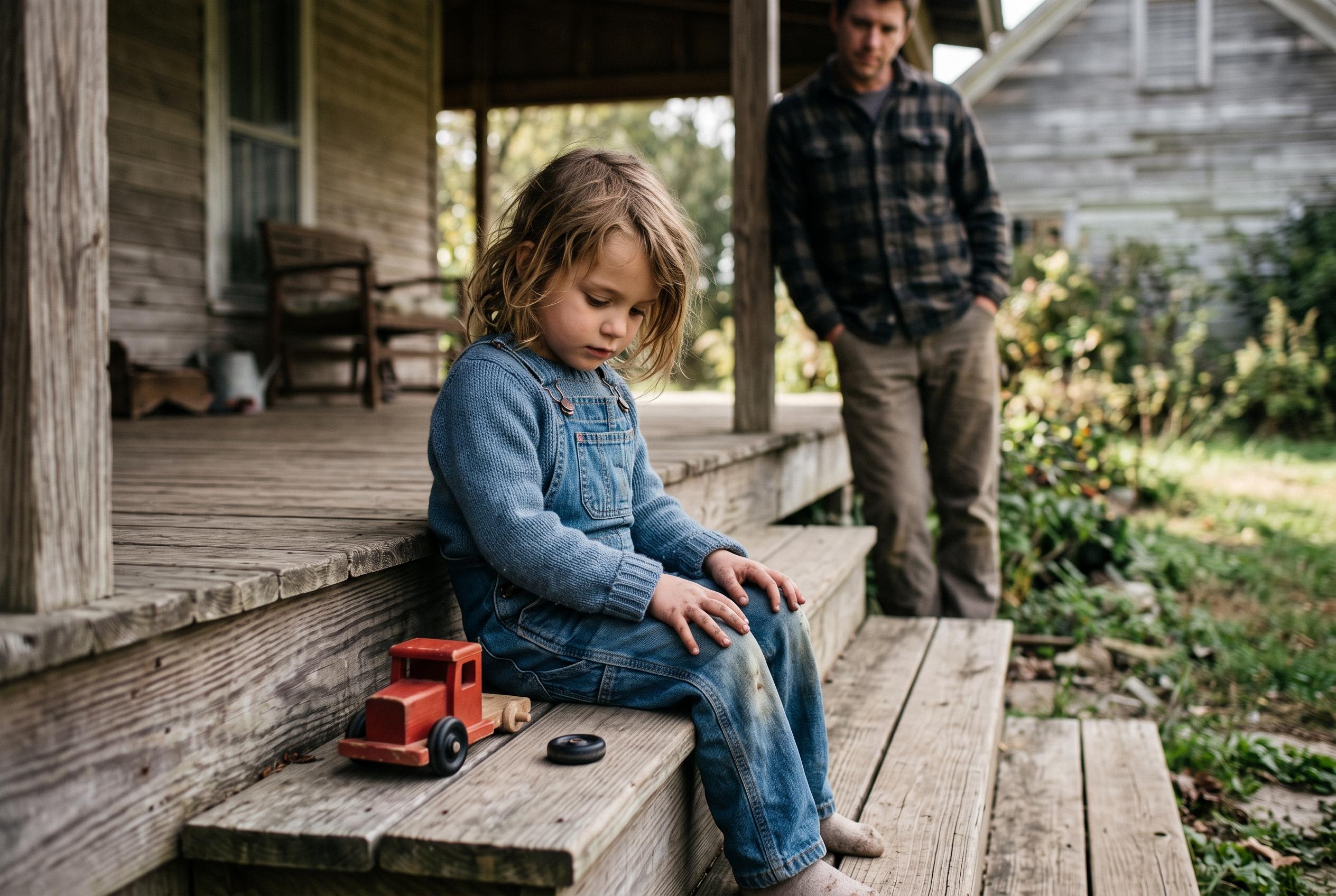

Experts advocate for parents to resist the urge to intervene immediately in their children’s setbacks, emphasising that manageable failures promote essential skills like resilience, self-reliance, and emotional strength.
Parents often know the moment when stepping in would be easiest. A forgotten form, a missed deadline, a poor grade or an awkward friendship fallout can all be fixed quickly by an adult with a phone and a car key. But the case for resisting that reflex is strong: psychologists and parenting specialists say children usually learn more from manageable setbacks than from constant rescue, because those moments build resilience, self-reliance and a clearer sense of consequence. Psychology Today and other parenting guides have made the same broad point for years, arguing that overprotection can leave children less able to cope with disappointment later on.
One of the simplest examples is forgetting something important. When a child leaves a binder, lunchbox or permission slip behind, the natural consequence is often the lesson itself. Catherine Pearlman, a family coach whose advice has been widely cited, has argued that parents who rush to solve every problem can prevent that lesson from taking hold. The key, experts say, is judgment: parents should not allow harm, but they should let ordinary mistakes play out when the result is safe and directly connected to the child’s choice.
The same logic applies to losing. Whether it is missing a sports team, finishing outside the medals or coming home from a match defeated, disappointment teaches children that effort does not always produce the outcome they want. Jessica Lahey, author of “The Gift of Failure”, has long argued that children become more capable when adults stop framing every loss as a crisis to be managed. The lesson is not that failure is pleasant, but that it is survivable.
Schoolwork offers another test. Research associated with Stanford scholars Kyla Haimovitz and Carol Dweck suggests that what children absorb most clearly is not abstract talk about ability, but the way parents react when a grade disappoints them. If adults treat poor performance as a disaster to be corrected behind the scenes, children may learn that setbacks define them. If they treat it as information, children are more likely to see that improvement is possible. That view is also consistent with broader cautions from researchers that growth-mindset interventions, on their own, can produce modest effects rather than sweeping change.
Friendship trouble matters too. Developmental psychologist Peter Gray has argued that children need unscripted peer conflict to learn how to negotiate, repair disagreements and manage minor bullying. When adults intervene too quickly in social disputes, they may prevent children from practising those skills. The result can be a smoother immediate outcome, but one that leaves the child less prepared for ordinary relational strain. Support still matters, of course; the point is to listen and stay available without taking over the solution.
Even chores and family tasks can serve the same purpose. A badly made bed, undercooked pancakes or a laundry mistake may irritate a parent, but those imperfect attempts are often where competence begins. Research published in the Journal of Child and Family Studies has linked helicopter-style parenting with lower self-efficacy, the belief that one can handle what is in front of them, and with higher levels of anxiety and depression in college students. The pattern is familiar enough to many parents: if children are never allowed to do something badly the first time, they may never learn that they can improve the second time.
Disclaimer: This content is for informational purposes only and is not intended to be a substitute for professional medical judgment, advice, diagnosis, or treatment.