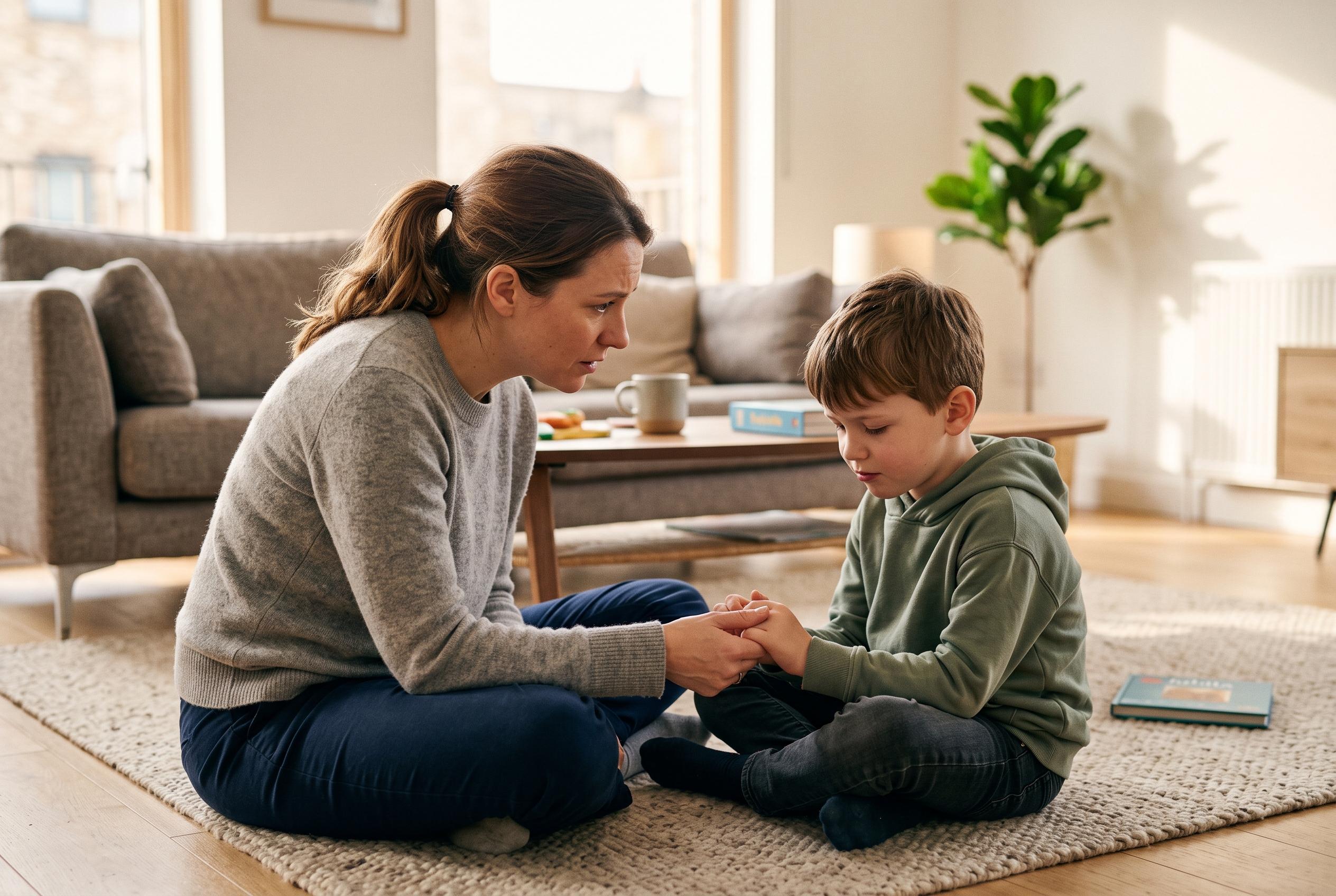

Parents are encouraged to detect subtle signs of anxiety in children early, with experts highlighting the importance of support and professional help when worries disrupt daily life or social development.
Parents often notice the warning signs before a child can explain what feels wrong. A stomachache before school, repeated requests for reassurance or a growing reluctance to leave home may look like ordinary childhood behaviour at first, but Cleveland Clinic and other medical sources say persistent patterns can point to anxiety rather than a passing worry. The key is not the feeling itself, but how long it lasts and whether it starts to interfere with daily life.
Childhood anxiety can show up in ways that are easy to miss. Along with fear or constant worry, Cleveland Clinic, WebMD and the NHS note that children may complain of headaches or stomachaches, struggle to sleep, become irritable or have trouble concentrating. Some children openly resist school or social situations, while others seem quiet, compliant and eager to please, which can make their distress less obvious to adults.
Experts also stress that anxiety is shaped by both temperament and environment. Family history, sensitive personalities and stressful life events can all play a part, according to Cleveland Clinic and Medical News Today. The NHS says it is normal for children to feel anxious from time to time, especially during stages such as separation anxiety in toddlers or fears that emerge in preschool years, but concern grows when the worry becomes persistent and begins to affect well-being.
What helps most is steady, practical support. Families are encouraged to name the feeling, keep routines predictable and avoid over-accommodating fears in ways that reinforce avoidance. That does not mean dismissing the child’s distress. Rather, the goal is to validate it, then gently encourage the child to face manageable challenges. The Canadian guidance cited in the lead also points parents towards help lines and counselling resources, reflecting a wider emphasis on early support.
Several health sources say parents should seek professional help when anxiety starts to disrupt school, sleep, friendships or family routines. That threshold matters because anxiety disorders are common: Healthline says about 7.1% of children aged 3 to 17 have a diagnosed anxiety disorder, while the University of Iowa’s Scanlan Center for School Mental Health estimates roughly 1 in 4 adolescents and 1 in 12 children experience one. For parents, the practical message is simple: trust the pattern, not just the bad day.
Disclaimer: This content is for informational purposes only and is not intended to be a substitute for professional medical judgment, advice, diagnosis, or treatment.