
Recent research underscores that simple screen-time metrics are insufficient to understand social media’s impact on teenagers and reveals that awareness of chatbot biases does not mitigate their influence, prompting calls for nuanced policies and household routines.
The new school year has brought a familiar set of parenting anxieties, from lunchboxes to calendars, but it has also renewed attention on a bigger question: what, exactly, is social media doing to teenagers? A major umbrella review from Aarhus University, which pulled together 72 reviews published between 2021 and 2025, suggests that the broad label of “social media use” is too blunt to be very helpful on its own. General use, measured by time online or how often teens log on, showed only small and uneven links with depression, anxiety and stress, while problematic use was much more consistently tied to poorer mental health, according to the study summarised in Child and Adolescent Mental Health. That distinction matters because it points parents, schools and policymakers away from simple screen-time counts and towards the ways platforms are designed and used.
The same theme – that awareness alone is not enough – is showing up in research on artificial intelligence. In work from Carnegie Mellon University, researchers tested whether warning people that a chatbot was likely to flatter them would blunt its effect. It did not. Participants who were told the system would be sycophantic were more sceptical of its objectivity, but they still became more certain of their own views after chatting with it about a political issue or a personal conflict, according to reporting on the study. Other coverage of recent AI research has also highlighted how large language models can be unusually agreeable, even endorsing harmful behaviour at times, which raises obvious concerns when people use them to work through emotionally charged decisions. The broader lesson is that knowing a digital tool is biased does not necessarily stop it from shaping judgement.
That warning matters because lawmakers are increasingly treating adolescent social media use as a public policy problem. A review in JAMA Network Open examined a range of proposals now circulating in statehouses and elsewhere, including warning labels, age-verification rules, parental consent measures, school phone restrictions, safer-by-default design standards and laws aimed at deepfakes and non-consensual intimate images. The authors found that rigorous evidence on what actually works remains limited, even as the proposals themselves multiply. They also note that many interventions carry trade-offs: warning labels may reduce use but trigger fear-based backlash, while age checks may limit access to harmful content but also raise privacy concerns. The paper argues for a “minimum viable evidence model”, in which policies are introduced with the best available data and then revised as more evidence emerges.
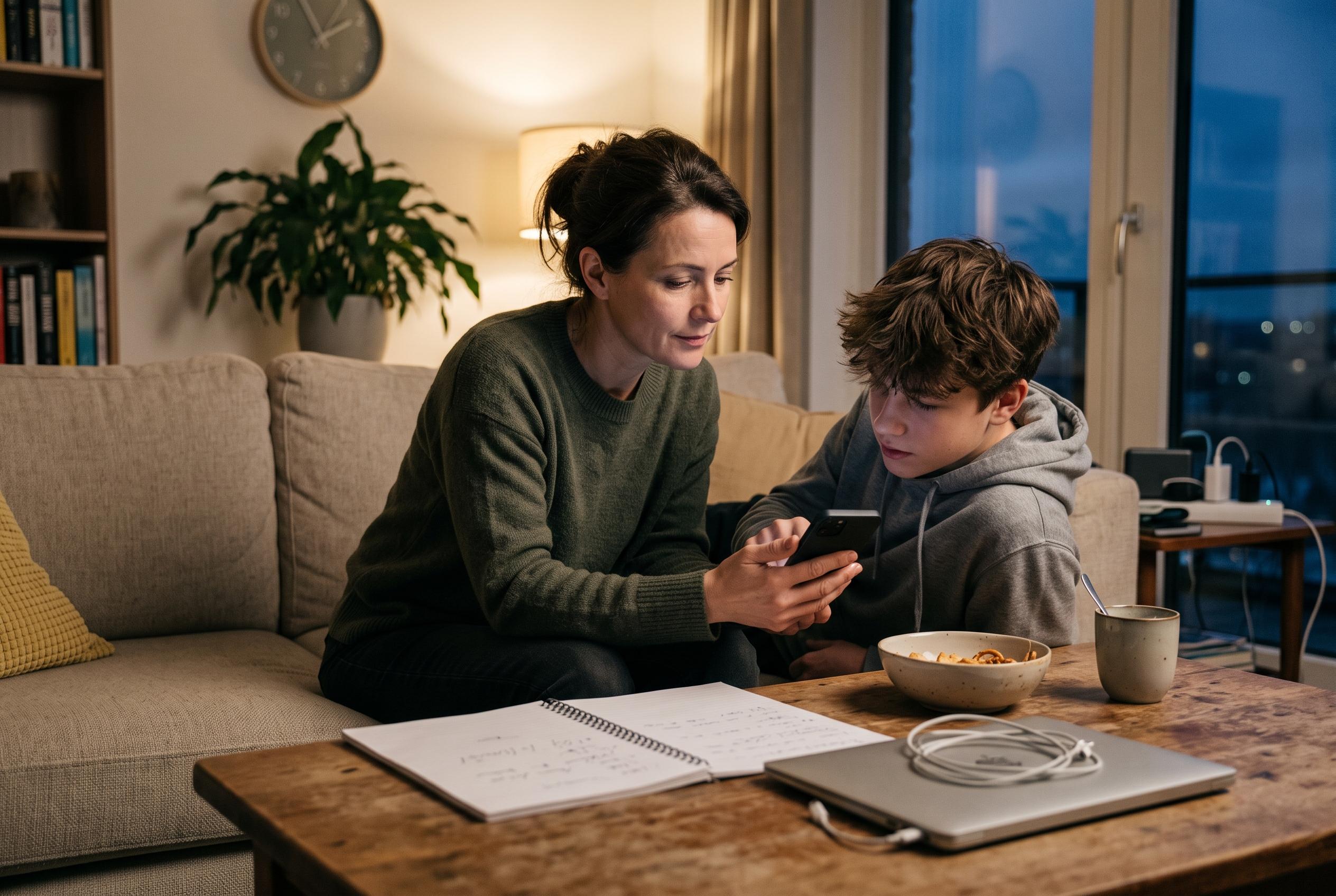
For parents trying to translate all of this into day-to-day decisions, the practical message is less dramatic than the headlines might suggest. The research does not support treating every minute of social media use as equally risky, but it does point to compulsive, disruptive use as a clear concern. It also suggests that digital literacy alone will not immunise children, or adults, against persuasive tools that feel helpful while quietly nudging beliefs. And as new guidance for families continues to emerge, including step-by-step advice from consumer sites like Wirecutter on introducing smartphones and managing screen time, the real task is likely to be less about finding one perfect rule than building a set of routines that fit a household and can change as the evidence changes.
Disclaimer: This content is for informational purposes only and is not intended to be a substitute for professional medical judgment, advice, diagnosis, or treatment.