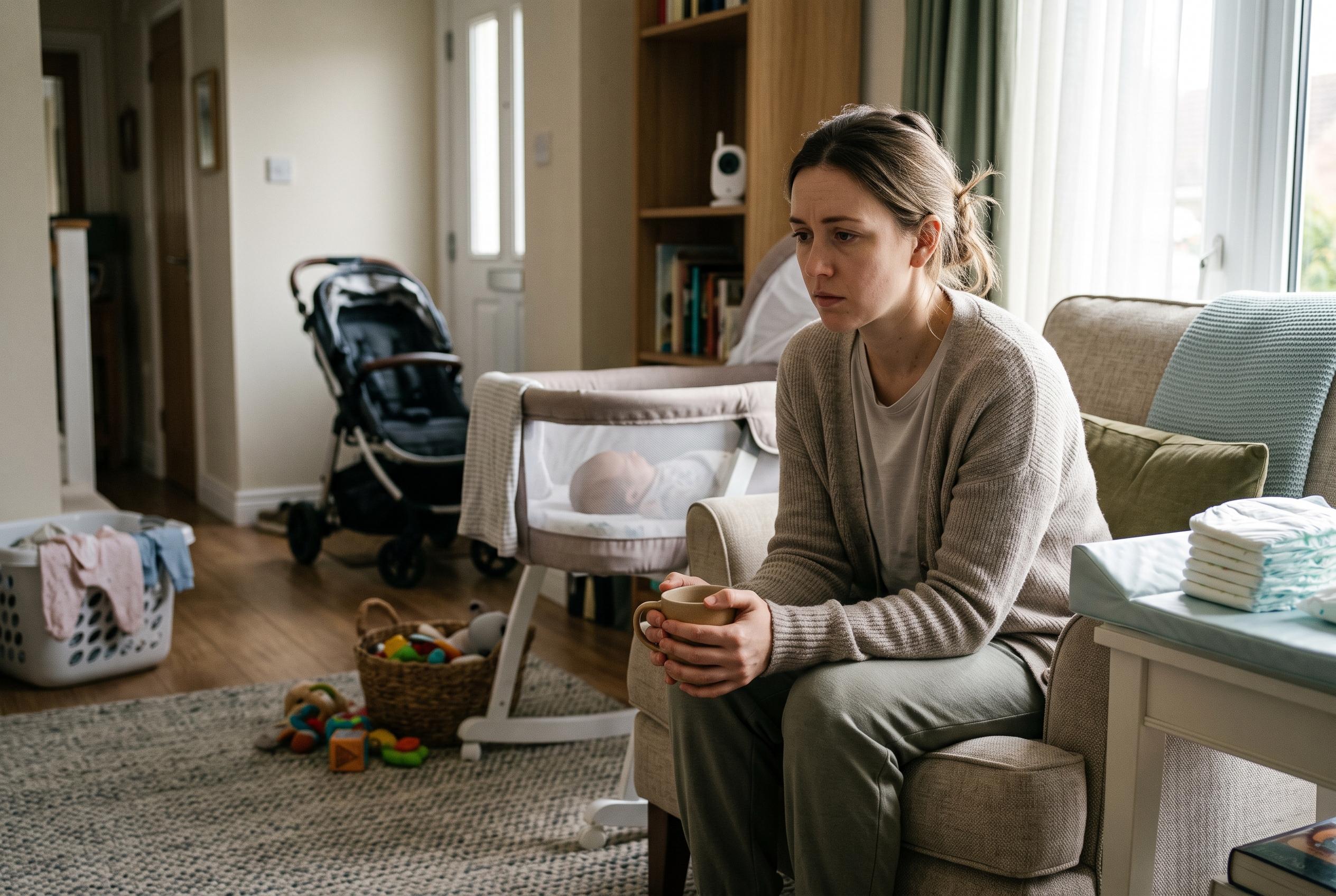

As awareness grows around the diverse emotional challenges faced by new mothers, experts call for broader screening and support that acknowledges anxiety, exhaustion, and emotional overload alongside depression, to foster better outcomes for families.
A mother may look well on paper and still be struggling. Around the time of World Breastfeeding Week, the conversation often centres on milk supply, latch and the physical demands of early feeding, but maternal mental health deserves equal attention. The lead article argues that many women are not experiencing postpartum depression as such, but something broader and less easily named: anxiety, exhaustion, intrusive thoughts or emotional overload that can be missed when the only question being asked is whether they feel depressed.
That wider picture is increasingly recognised in clinical guidance. The American College of Obstetricians and Gynecologists says perinatal mood and anxiety disorders are among the most common complications of pregnancy and the first year after birth, and it urges routine screening, assessment and treatment. Public health agencies and medical groups echo that view, noting that symptoms can include persistent worry, irritability, panic, sleep disruption and physical tension, not just low mood. Research published in PubMed has also argued that maternal mental illness extends well beyond postpartum depression and needs broader recognition.
The problem is that many of these conditions do not fit the public script. A mother who is constantly checking a baby’s breathing, replaying worst-case scenarios or feeling unable to relax after birth may not identify with the label “depression”, even if she is in clear distress. The Massachusetts Department of Public Health says nearly one in five pregnant and postpartum people experience a perinatal anxiety disorder, while Harvard Pilgrim Health Care puts the overall burden of perinatal mood and anxiety disorders at about one in seven pregnant people across backgrounds. CAMH says risk factors can include a history of mental illness, family psychiatric history, substance use, stressful life events, limited support and relationship problems.
Breastfeeding can intensify that strain. Pain, latch difficulties or worries about supply can add guilt and a sense of failure to an already depleted period, particularly when sleep is broken and recovery time is scarce. The article is right to stress that feeding problems need practical help, but also compassion: support should not be treated as a judgement on parenting ability. ACOG and other organisations say earlier identification matters because treatment improves outcomes not just for mothers, but for families as well. The AAMC adds that maternal mental health conditions are the most common complication of pregnancy and childbirth, and that untreated cases carry a major economic cost as well as a human one.
What would better care look like? It would mean asking about anxiety, intrusive thoughts and exhaustion, not only sadness. It would mean treating sleep as part of care, not a luxury. It would mean giving partners, relatives and friends the language to spot distress early, before it hardens into isolation. Most of all, it would mean recognising that a mother can be functioning, feeding and showing up for her baby while still needing help herself. The language used in maternity care matters, because it can either hide suffering or make it easier to name.
Disclaimer: This content is for informational purposes only and is not intended to be a substitute for professional medical judgment, advice, diagnosis, or treatment.