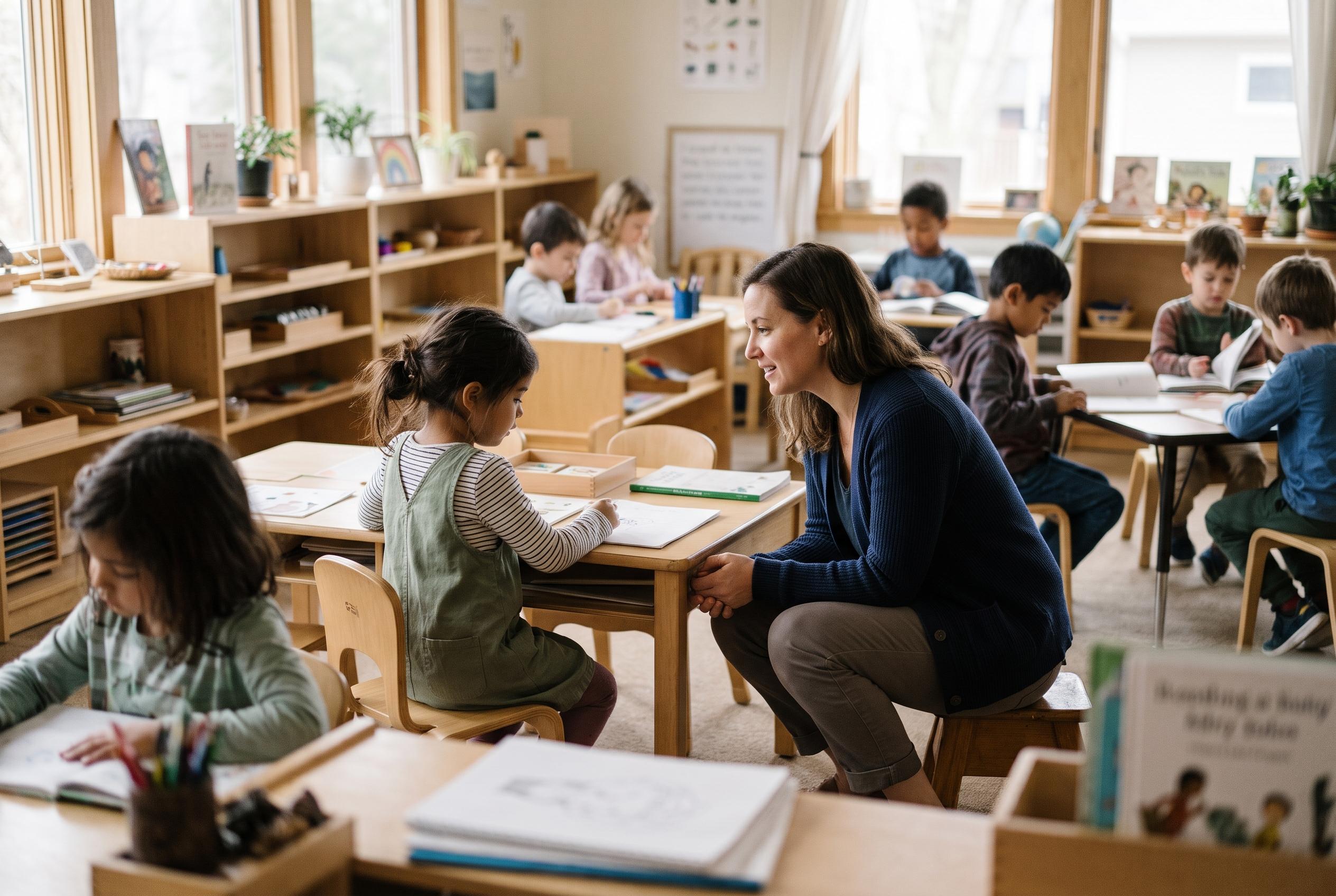

Specialists say children with selective mutism need predictable, low-pressure support and alternatives to speaking before they can begin taking part more confidently at school.
Teachers who work with children with selective mutism are often dealing with a mismatch between what a child can do at home and what they can manage in the classroom. According to the Selective Mutism Support blog, the first step is not to push for speech but to understand what makes communication feel safe, and what makes it feel impossible. Specialists in selective mutism describe it as an anxiety-based condition, not wilful refusal, and say support works best when adults reduce pressure, build trust and plan consistently across school and home.
That means careful observation matters. The blog urges teachers to look for the moments when a child communicates more easily, whether that is during quiet work, with a trusted peer or in a smaller group, and to note the setting, the people present and the task involved. The Selective Mutism Association also recommends early relationship-building, collaboration with parents and therapists, and a classroom approach that starts with non-verbal participation rather than immediate speech. For teachers, the practical aim is to spot patterns, then use them to shape the day so the child can take part without feeling singled out.
Avoiding surprise demands is central to that approach. The blog recommends steering clear of putting a child on the spot with unplanned reading aloud, public questioning or repeated prompts to answer in front of others. The Selective Mutism Association and other specialist guides say that even well-meant encouragement can intensify anxiety if a child feels watched or tested. Instead, teachers are advised to use agreed phrases, give notice before requests and create a warm-up period in which the child can settle before any expectation of speech is made.
The best support also gives children a way to show what they know without speaking. The blog recommends alternatives such as writing, drawing, pointing or choosing from options, alongside any communication card or signal that a child can realistically use. The Selective Mutism Association says classroom plans should also be flexible enough to protect access to learning, particularly when formal assessment rules would otherwise hide a pupil’s understanding. In practice, that means working with the school’s special educational needs co-ordinator and any relevant professionals so that speech is not the only route to participation.
The guidance also extends beyond lesson time. According to the blog, teachers need to think about lunch, toileting, asking for help and reporting problems, because a child who cannot speak up when they are unwell or bullied may be left without support. Specialist training, including the Selective Mutism Training Institute’s two-day course, is designed to help professionals understand the condition, assess it properly and use evidence-based strategies in schools. The wider message from the resources is consistent: the route to speech is usually a gradual one, built through safety, shared planning and small, achievable steps rather than pressure.
Disclaimer: This content is for informational purposes only and is not intended to be a substitute for professional medical judgment, advice, diagnosis, or treatment.