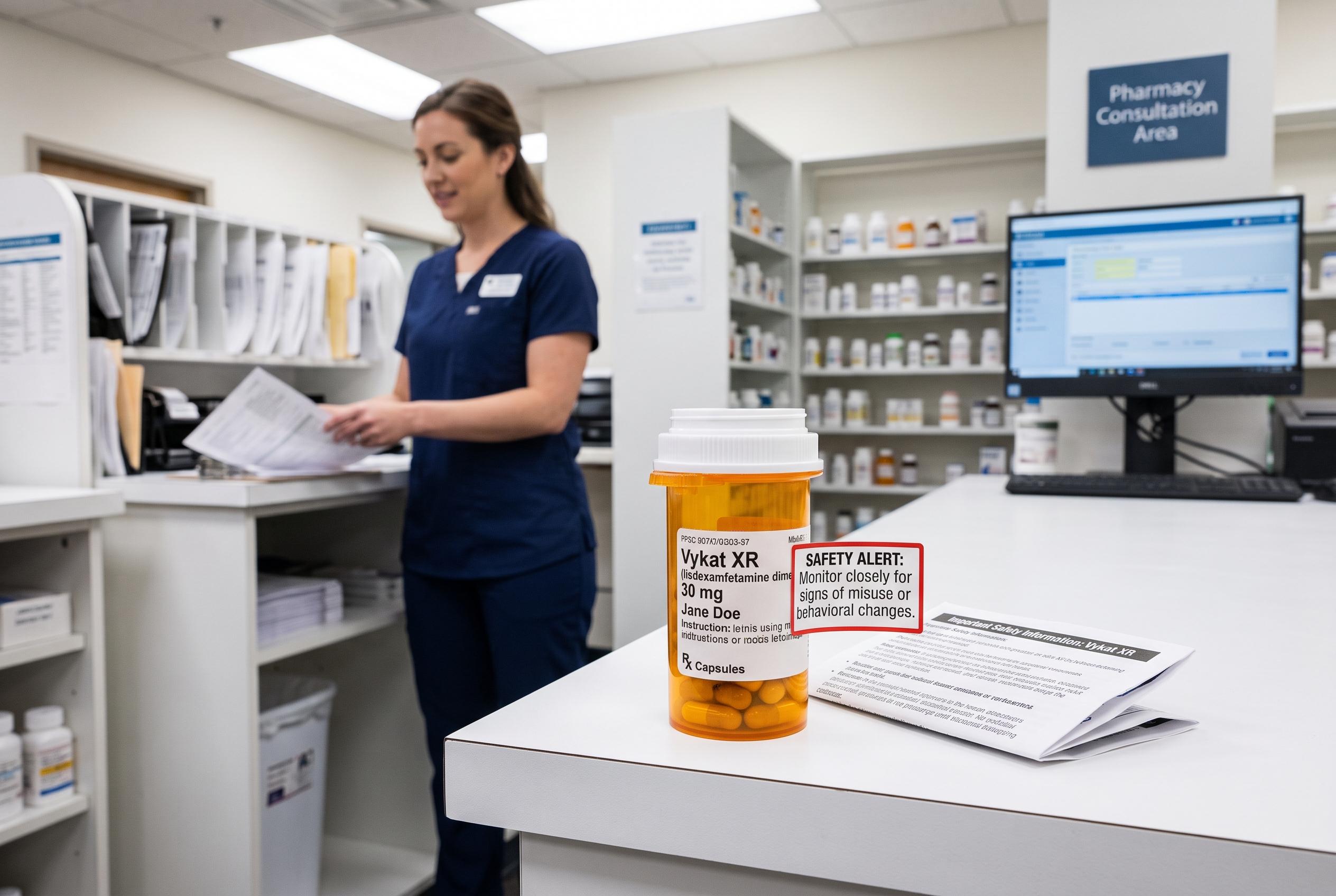

A new safety alert has been issued for Vykat XR, the first medication approved for hyperphagia in Prader-Willi syndrome, following reports of seven deaths and over 100 hospitalisations since its market debut, prompting calls for more careful screening and monitoring.
A coalition of Prader-Willi syndrome physicians and advocacy groups has issued a safety alert over Vykat XR after reporting seven deaths and more than 100 hospitalisations in people prescribed the drug since its approval in March 2025. The statement, released by PWSA | USA, the Foundation for Prader-Willi Research and the International Prader-Willi Syndrome Organisation, does not advise patients to stop treatment, but it says doctors should screen more carefully before prescribing and families should watch closely for warning signs.
Vykat XR, known chemically as diazoxide choline, was the first medicine approved specifically to treat hyperphagia, the relentless hunger linked to Prader-Willi syndrome. The FDA cleared it for adults and children aged 4 and older, and the drug reached the market in April 2025. For families living with the disorder, the approval was widely seen as a long-awaited breakthrough for a condition that has had very limited treatment options.
The new alert centres on reports filed to the FDA’s adverse event system, which captured deaths described as mostly involving heart or breathing problems, along with serious complications including fluid overload, respiratory distress and cardiac issues. The organisations behind the alert stressed that these reports do not prove the drug caused the outcomes. People with Prader-Willi syndrome already face elevated medical risk, including obesity, sleep apnoea, respiratory failure and heart disease, and the condition carries a high background mortality rate.
Researchers and clinicians say the concern is tied to how diazoxide works. The medicine opens ATP-sensitive potassium channels, which can reduce hunger signals in the brain, but those same channels are also found in blood vessels, lymphatic tissue and the heart. That broader activity can lead to swelling and fluid retention, especially in patients with severe obesity or pre-existing cardiac or respiratory problems. A June expert paper by Jennifer Miller and colleagues recommended baseline screening, including cardiac and breathing assessments for higher-risk patients, slower dose increases in some cases and close glucose monitoring because the drug can also raise blood sugar.
For caregivers, the warning signs include rapid weight gain, swelling in the legs, feet or face, shortness of breath, coughing and trouble breathing when lying flat. The advocacy groups said the medicine remains an important part of care, but it should be used with stronger safeguards and ongoing monitoring. Neurocrine Biosciences, which acquired Soleno Therapeutics in May 2026, had not publicly responded to the alert at the time of publication.
Disclaimer: This content is for informational purposes only and is not intended to be a substitute for professional medical judgment, advice, diagnosis, or treatment.