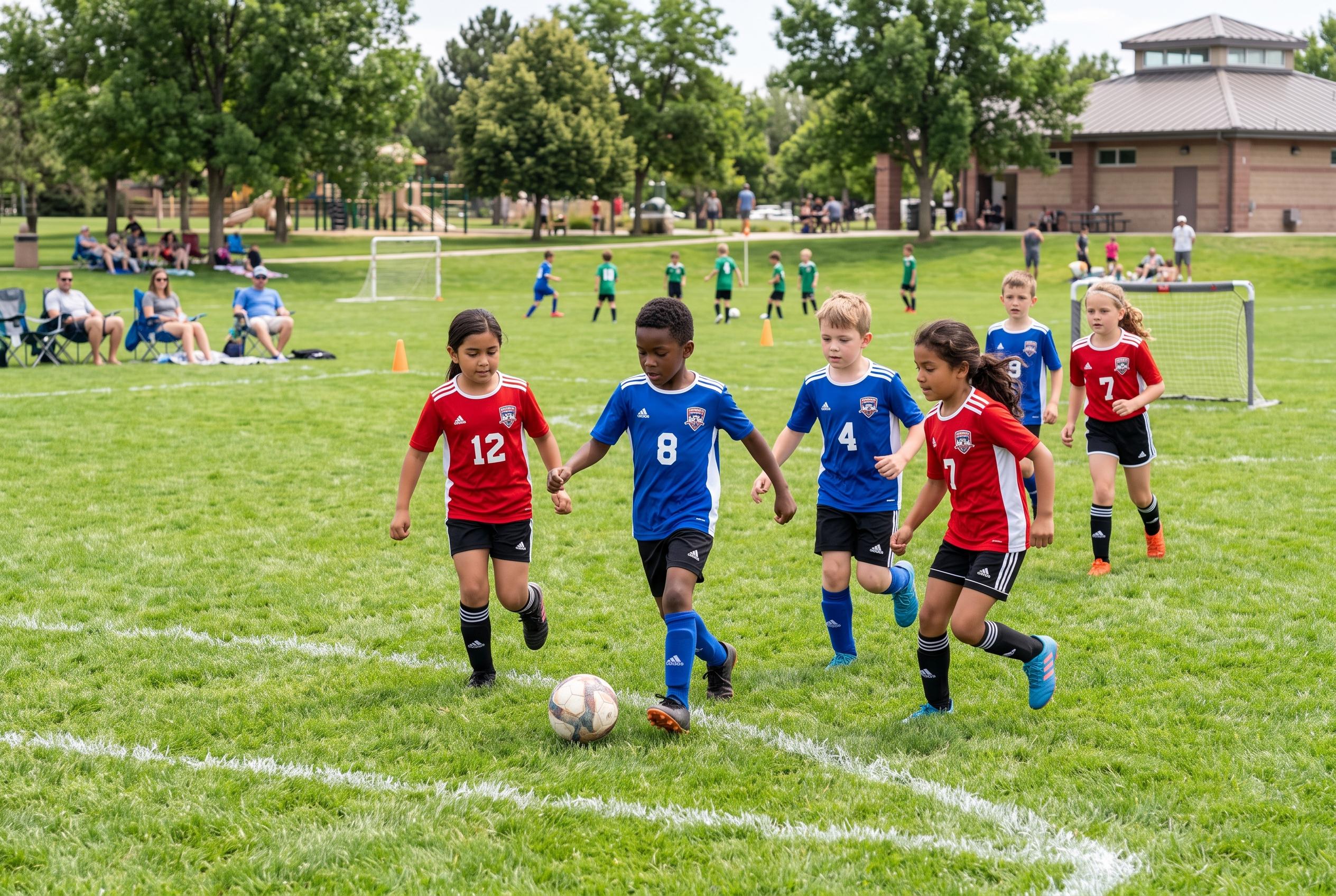

Youth sport has grown into a major social and economic institution in the US, with participation nearing federal goals amid rising costs, demographic shifts, and ongoing access issues.
Youth sport has become one of the most visible forces in American life, shaping family budgets, neighbourhood routines and even the way children first encounter competition. In a recent commentary for Texas Metro News, James B. Ewers Jr. argued that organised sport is now so embedded in daily life that it is difficult to imagine schools, communities or households without it. That view is backed by recent participation figures from the Aspen Institute’s Project Play initiative, which said 58% of U.S. children ages 6 to 17 were playing organised sport in 2024, close to the federal Healthy People 2030 goal of 63%.
The scale of the market helps explain why the sector has expanded so dramatically. Project Play and related industry reporting put annual family spending on children’s sport at more than $40 billion, with the average outlay on a child’s primary sport reaching about $1,016 in 2024. Across all sports, the figure is even higher, and travel teams can push yearly costs into several thousand dollars. That financial pressure has helped draw sharper attention to access, particularly as public recreation programmes capture only a small share of the overall spending and often charge less than private clubs.
The participation picture is not even, however. The Aspen Institute’s 2024 State of Play report found girls’ participation is rising while boys’ participation has fallen more sharply. It also noted that Black children are taking part at lower rates than in the past and that young athletes are specialising in a single sport more often than before. A separate study published in the journal Preventing Chronic Disease found participation was highest among children ages 10 to 13, boys, white non-Hispanic children and those from households with higher income and more parental education.
Against that backdrop, Ewers’s central point remains simple: youth sport is no longer a side activity but a major social and economic institution. For parents, it can mean early mornings, long drives and rising bills. For children, it can provide structure, confidence and community. For schools and local leagues, it is increasingly a question of who gets to play, who can afford to stay involved and how the next generation will be brought into the game.
Disclaimer: This content is for informational purposes only and is not intended to be a substitute for professional medical judgment, advice, diagnosis, or treatment.