
A new Australian study questions whether hospital is the most appropriate setting for managing young people in acute behavioural crises, highlighting the importance of community-based crisis intervention and service redesign.
A study by Bourke and colleagues has added to the evidence base on how emergency departments manage young people in acute behavioural crisis, but it also raises a broader question that sits beyond the choice of sedative: whether hospital is the right place for many of these presentations at all. The paper describes young patients brought to emergency care in a state labelled acute severe behavioural disturbance, defined by the authors using a sedation assessment score that can include agitation as mild as being anxious and restless, a framing that has drawn attention because it appears to stretch the meaning of “severe”.
The researchers drew their sample from nine emergency departments across Australia over two years. Of 1,231 young people in the relevant age group who were considered agitated, 491 met eligibility criteria but were not enrolled for reasons that are not fully explained, and 348 were randomised. According to the Cochrane review on parenteral medication for acute severe behavioural disturbance, this is an area in which rapid control of agitation is often sought to protect both patients and staff, but the evidence base is complicated by differences in age, drug response and adverse effects.
The paper offers only a limited window on the decision-making that brings distressed young people into emergency care, yet the figures suggest these episodes represent only a small slice of the mental health burden in the community. The accompanying commentary notes that perhaps one in 10 young people experience moderate to severe symptoms at any given time, making it likely that many crises are first managed outside hospital. The Royal College of Emergency Medicine’s guidance stresses de-escalation, assessment of underlying neurodevelopmental conditions and restraint only as a last resort, underscoring the expectation that emergency pharmacology should be used judiciously rather than reflexively.
There are also concerns about what happens once a young person arrives. In the study, 52% came by ambulance and 22% were accompanied by police, a reminder that emergency transport is often treated as a final step after community options have failed or been bypassed. Yet the commentary argues that, in many cases, the more appropriate response is urgent advice from existing child and adolescent mental health services, particularly when the young person is already known to specialist teams. Sedation in the emergency department can blur the clinical picture, delay psychiatric assessment and, in some cases, leave the young person too drowsy to be properly evaluated.
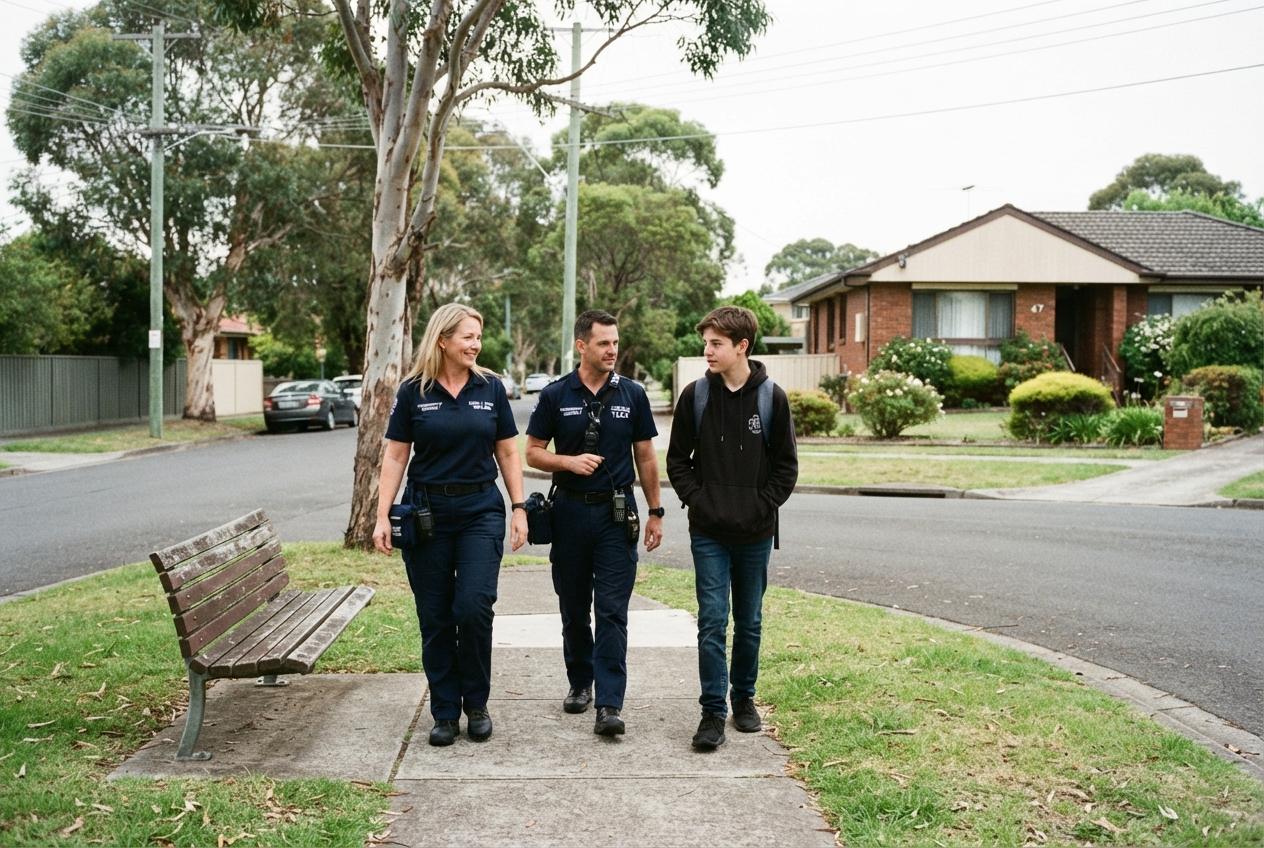
The broader policy argument is that crisis care should aim to reduce dependence on emergency services rather than deepen it. The commentary says that many of the young people in the study were already engaged with community support, suggesting that a preventative, relationship-based response may be more effective than hospital transfer. Co-responder models, in which mental health clinicians work alongside police or ambulance services in the community, are presented as one way to de-escalate incidents and avoid unnecessary emergency department attendance. In that sense, Bourke and colleagues’ work may answer a narrow question about sedative choice, but it also highlights a larger service-design challenge: keeping young people safe without defaulting to hospital whenever distress becomes difficult to manage.
Disclaimer: This content is for informational purposes only and is not intended to be a substitute for professional medical judgment, advice, diagnosis, or treatment.