
A rise in daily snacking among Belgian children, dominated by sugary treats, prompts calls for improved food education and healthier habits to tackle long-term health risks.
Belgian children are snacking more often, and nutrition experts say the habit is feeding a cycle that is hard to break. A recent Bel survey found that 70% of people in Belgium snack at least once a day, while more than one in three do so more than once daily. Sweet snacks dominate: more than nine in 10 are sugary, compared with six in 10 that are savoury, according to the report cited by Belgian media.
Sciensano’s latest food consumption survey shows the trend has strengthened in recent years. Daily consumption of sweet or savoury snacks rose from 38.3% in 2018 to 46.8% in 2023-2024, with children aged 0 to 14 the most affected at 60.2%. The Brussels Times reported that much of the snacking is spontaneous rather than driven by hunger, with biscuits, crisps and chocolate among the most common choices.
Nicolas Guggenbühl, a nutritionist quoted by La DH, said that by the age of three, a child can generally manage with four meals a day and no longer needs a morning snack. He argued that many families confuse wanting food with needing it, in an environment where eating is constantly encouraged. He also warned that while the brain needs glucose, too much sugar is harmful because the body is built to cope with shortage, not excess.
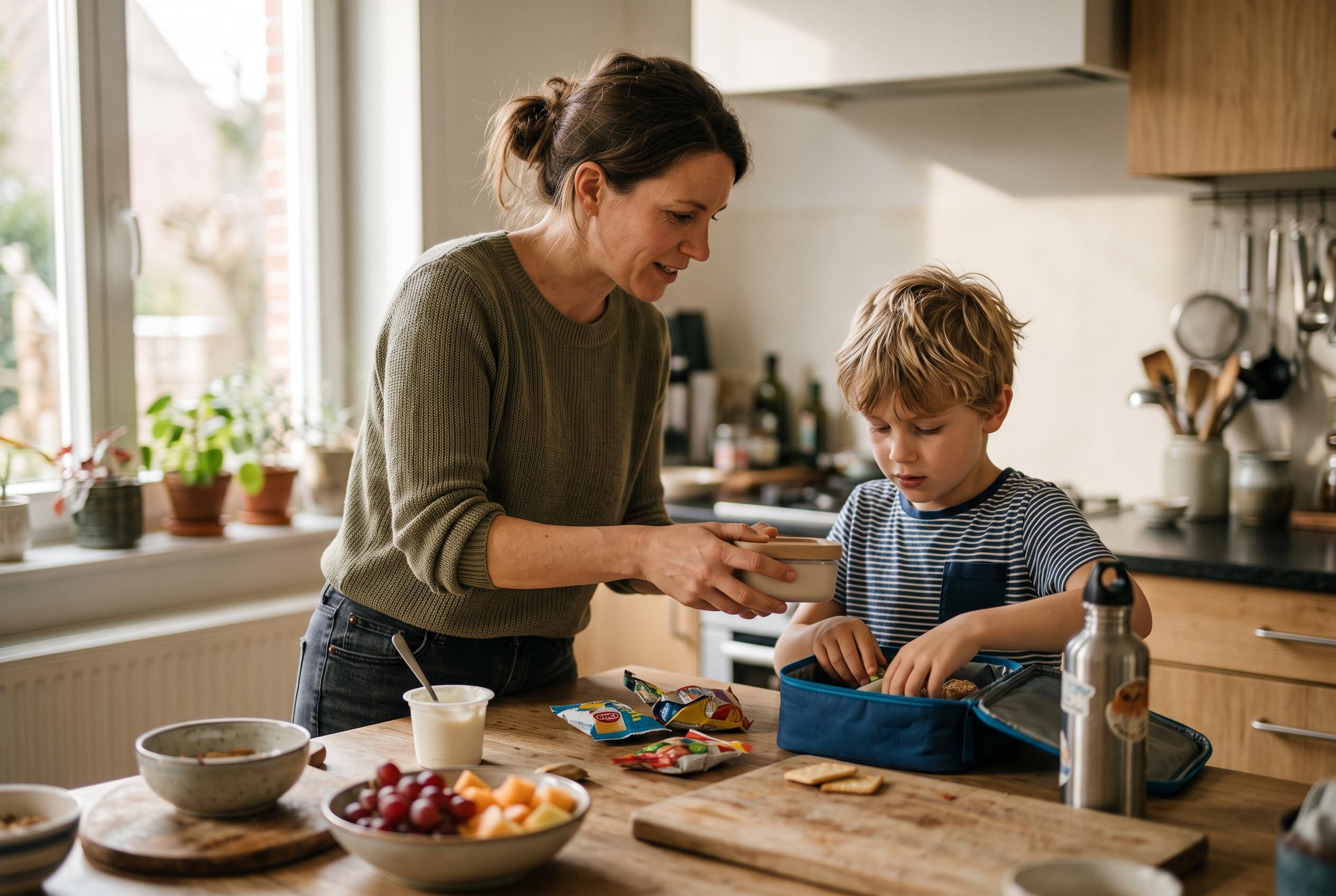
The health risks go beyond excess calories. Guggenbühl said poor snacking can crowd out proper meals, raise the risk of tooth decay and contribute to weight gain. Sciensano data also suggest that Belgium’s wider diet remains unbalanced, with fruit and vegetable consumption still below recommendations. Guggenbühl called for stronger food education in schools and urged parents to favour fruit, wholegrain foods, nuts in moderation and dairy products rather than trying to ban snacking altogether.
Disclaimer: This content is for informational purposes only and is not intended to be a substitute for professional medical judgment, advice, diagnosis, or treatment.