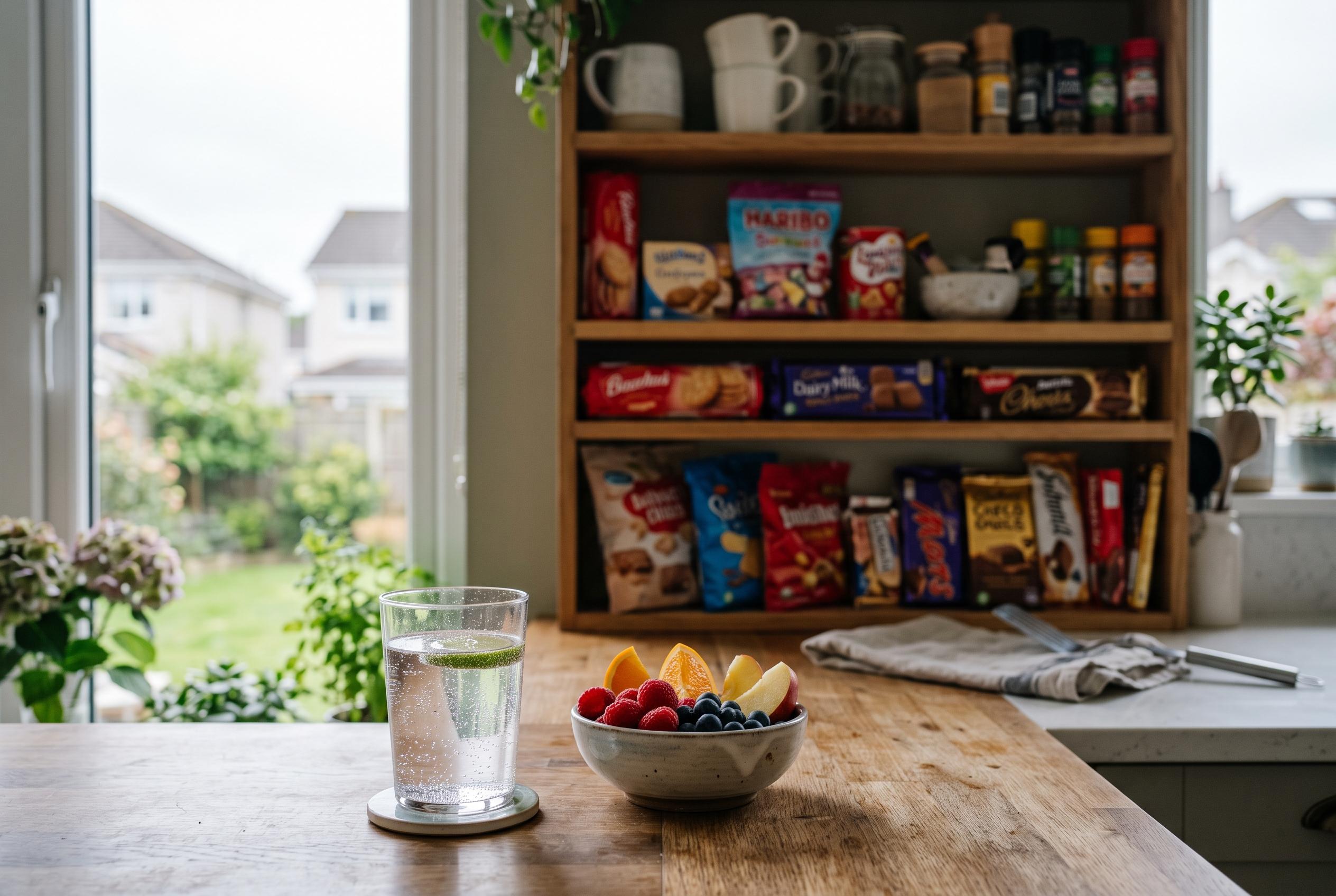

Academics in Ireland urge ministers to broaden the country’s existing sugar tax beyond fizzy drinks to include biscuits, sweets, and chocolates, citing cheap, high-calorie snacks as a major driver of obesity and urging policy change to promote healthier choices.
Researchers in Ireland are urging ministers to broaden the country’s sugar tax beyond fizzy drinks and apply it to biscuits, sweets and chocolate, arguing that cheap, high-calorie snacks are helping to drive obesity. Writing in the Irish Medical Journal, academics from four Irish universities said the current levy has pushed soft drink makers to reformulate products, but has not gone far enough to address the wider diet problem.
Their case rests in part on the low price of everyday biscuits sold in discount supermarkets. The study highlighted Custard Creams and Bourbon Creams that could be bought for as little as 55 cent a packet yet contained more than 1,500 calories. The researchers said just over €14, roughly an hour’s work at minimum wage, could buy more than 25 packets and deliver almost 40,000 calories, enough energy for nearly 20 days at a 2,000-calorie daily diet.
Jennifer Moran Stritch, the principal investigator at Technological University of the Shannon, said the findings were “shocking” and warned that such products offered little nutritional value while remaining easily affordable for children and young people. Dr Frank Houghton, also of the Technological University of the Shannon, said he did not accept the argument that cost-of-living pressures should block action, because the tax is meant to discourage unhealthy choices and push manufacturers to cut sugar.
The proposal builds on Ireland’s existing Sugar Sweetened Drinks Tax, introduced in 2018. A government evaluation published in September 2024 found that the tax helped reduce sugar consumption from carbonated drinks and encouraged product reformulation, with the fall in sugar intake accelerating after the tax came in before levelling off in 2022. The same evaluation said the findings would help shape future public health fiscal policy.
Health data suggests the broader case for intervention remains strong. The latest Healthy Ireland survey showed 35.1% of adults were overweight and 23.8% obese, while about 20% of children were overweight or obese. Earlier modelling published in the British Medical Journal found that taxing snacks such as cakes, biscuits, chocolates and sweets could cut energy intake and weight more effectively than targeting sugary drinks alone, particularly in lower-income households. Dr Houghton said any extra revenue should be ringfenced for healthier options or obesity services, and could also support fruit and vegetable subsidies, community gardens and allotments.
Disclaimer: This content is for informational purposes only and is not intended to be a substitute for professional medical judgment, advice, diagnosis, or treatment.