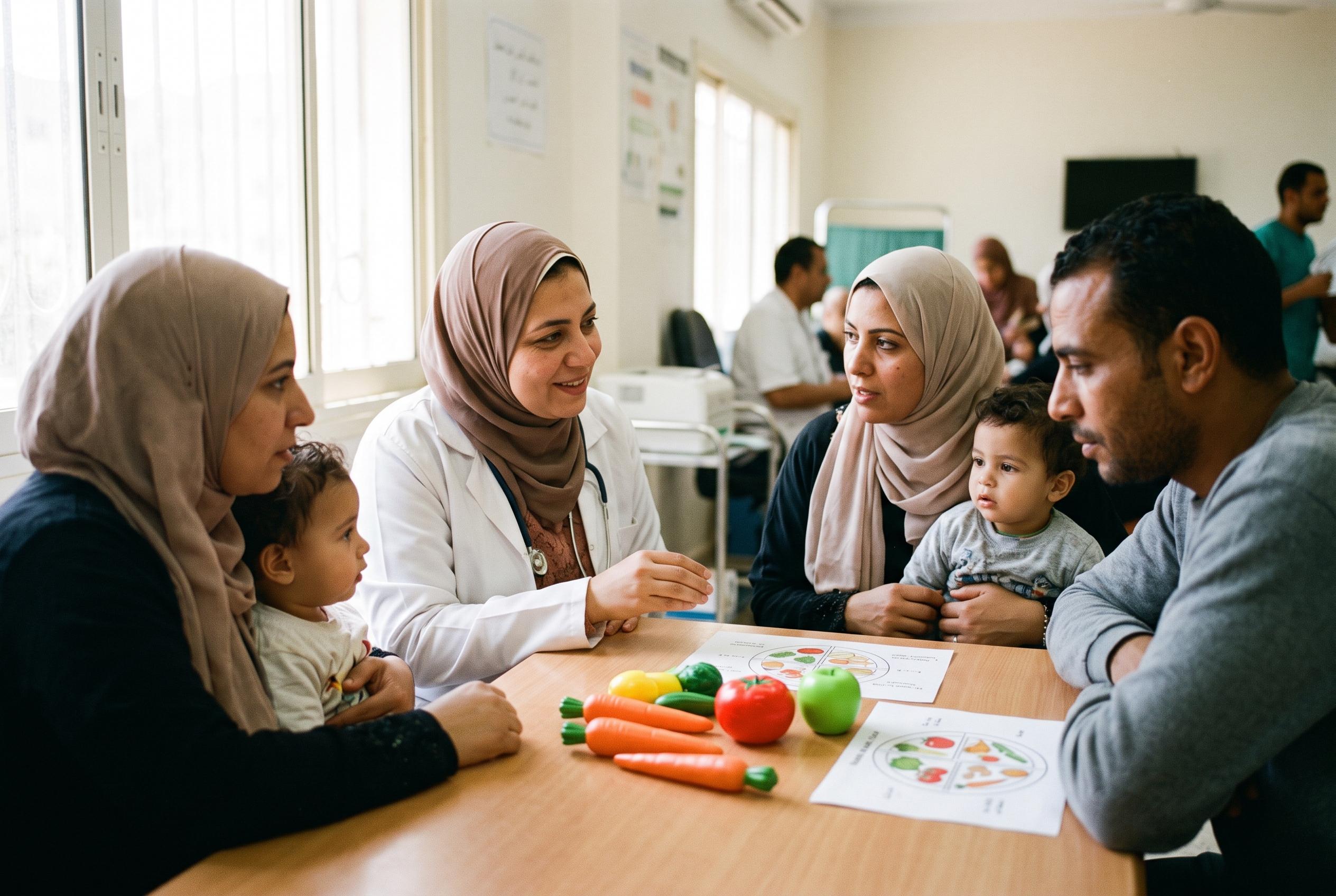

Egypt’s health ministry shifts focus from school screening to prioritise early-stage interventions to combat childhood malnutrition, with significant progress in reducing anaemia and stunting across the country.
Egypt’s health minister has said the country’s drive against childhood stunting is no longer just about school screening, but about protecting development from the earliest stages of life. Speaking at the National Day for Stunting Control 2026, Khaled Abdel Ghaffar said the fight against malnutrition must begin before birth and should be seen as an investment in human capital, not merely a medical campaign. He urged stronger public awareness around obesity, anaemia and stunting, and called on pharmaceutical manufacturers to expand production of micronutrients and supplements for pregnant women.
The event, held on 15 September 2026 under the slogan “Early Detection is Just the Beginning”, was designed to showcase the results of President Abdel Fattah El-Sisi’s initiative for early detection of anaemia, obesity and stunting among primary school pupils. According to Egypt’s State Information Service and ministry statements earlier this year, the programme covers children aged six to 12 in about 29,000 public and private schools, with more than 2,000 mobile medical teams involved throughout the school year. The ministry said it had screened more than 10.5 million pupils by April and more than 10.8 million by late May, while later reporting that cumulative examinations had reached 71.875 million since the initiative began in 2019.
The government says the campaign has already produced measurable gains. Abdel Ghaffar said anaemia prevalence among children fell from 42.3% in 2019 to 8% in 2026, while stunting declined from 6.9% to 4% over the same period. He thanked local and international partners for their support, framing the progress as part of Egypt’s wider push to improve public health and economic resilience.
International agencies at the event echoed that message. The World Health Organisation’s representative in Egypt, Naima Abed, said the country had reduced stunting faster than the global average because of the presidential initiative, adding that the first 1,000 days of a child’s life remain critical. UNICEF’s deputy representative for programmes, Natalie Meyer, said Egypt’s approach combines early school-based screening with referrals for diagnosis and treatment, alongside preventive work under the “Golden 1,000 Days” framework, including better maternal nutrition, breastfeeding support, appropriate complementary feeding and infection prevention.
Disclaimer: This content is for informational purposes only and is not intended to be a substitute for professional medical judgment, advice, diagnosis, or treatment.