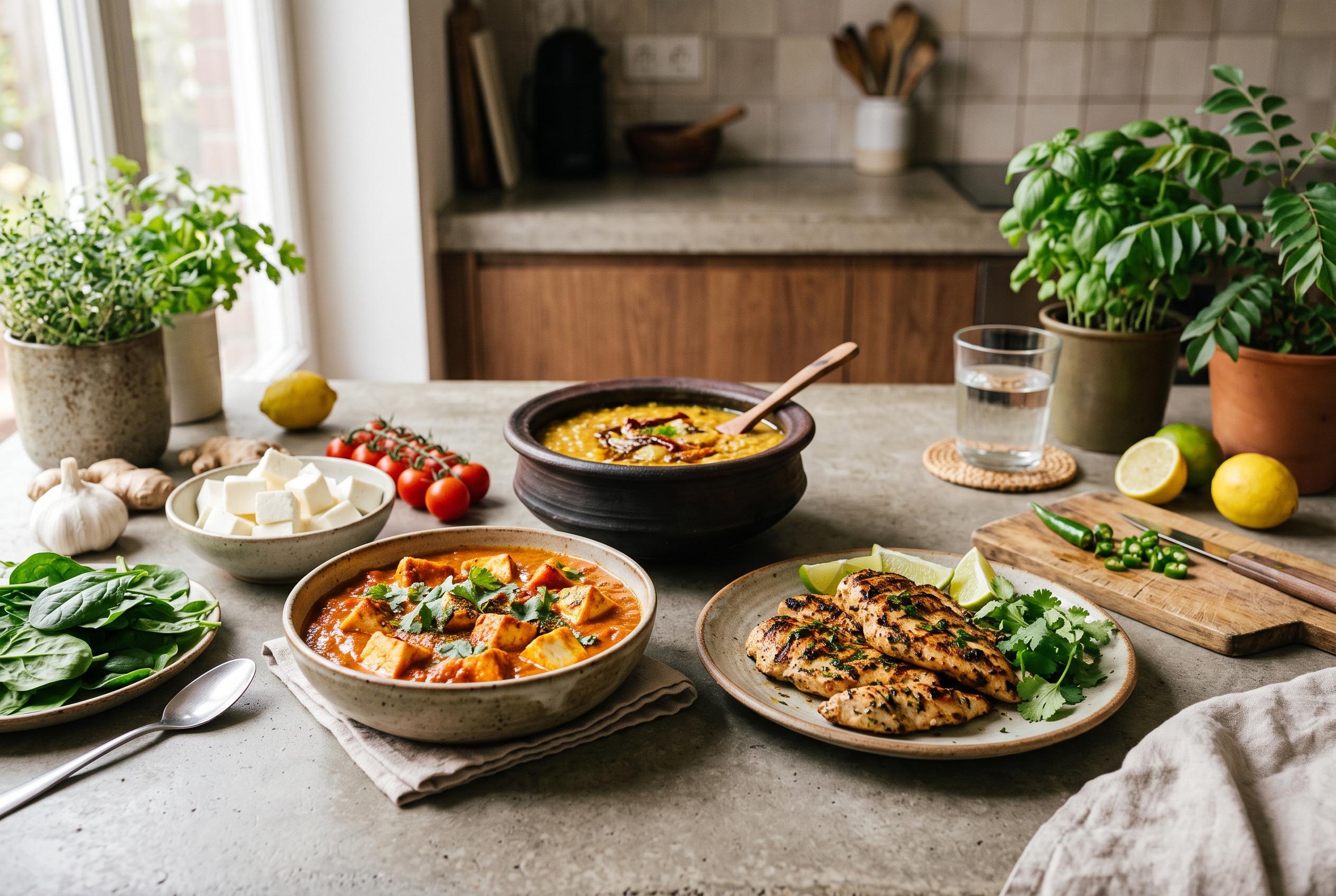

As India’s demand for protein-rich foods surges, experts warn that high protein claims can be misleading, emphasising the importance of balanced diets and scrutinising ingredient labels to avoid hidden sugars and unhealthy additives.
India’s growing enthusiasm for protein-rich foods has pushed the nutrient into everything from bars and cereals to snacks and desserts, but doctors and nutrition specialists caution that more protein does not automatically mean a healthier diet. The broader message, they say, is that good nutrition depends on balance, variety and consistency rather than a single nutrient.
That warning matters because many products marketed as high in protein can still carry added sugar, extra salt or high levels of fat. Nutritionists quoted by NDTV and 1mg have said shoppers should read ingredient lists closely, as flavoured yoghurts, breakfast cereals, protein bars and sauces can contain hidden sugars under different names. A separate explainer on Indian packaged foods said labels such as “high in protein” can also be misleading if consumers do not check the full nutritional profile.
The same caution applies to the way protein is used in everyday meals. Protein should complement, not replace, other food groups, and whole grains, fruit, vegetables and healthy fats remain essential for normal body function. The article argues that a meal built around dal, beans, chickpeas, paneer, curd, milk, eggs, fish, chicken, soy or nuts can often be more nourishing than simply adding a shake or fortified bar to an otherwise unbalanced diet.
Hidden sugars are part of the problem. Reporting from Artinci and Livemint has highlighted ingredients such as glucose syrup and maltodextrin, which can raise blood sugar quickly and appear in products not usually thought of as sweet. Nutritionists quoted by those outlets say the safest approach is to favour plain, minimally processed foods, compare labels carefully and avoid assuming that a “healthy” or “high protein” claim tells the full story. The bigger shift, they say, should be away from nutritional shortcuts and towards sustainable eating patterns that deliver a wider range of benefits.
Disclaimer: This content is for informational purposes only and is not intended to be a substitute for professional medical judgment, advice, diagnosis, or treatment.