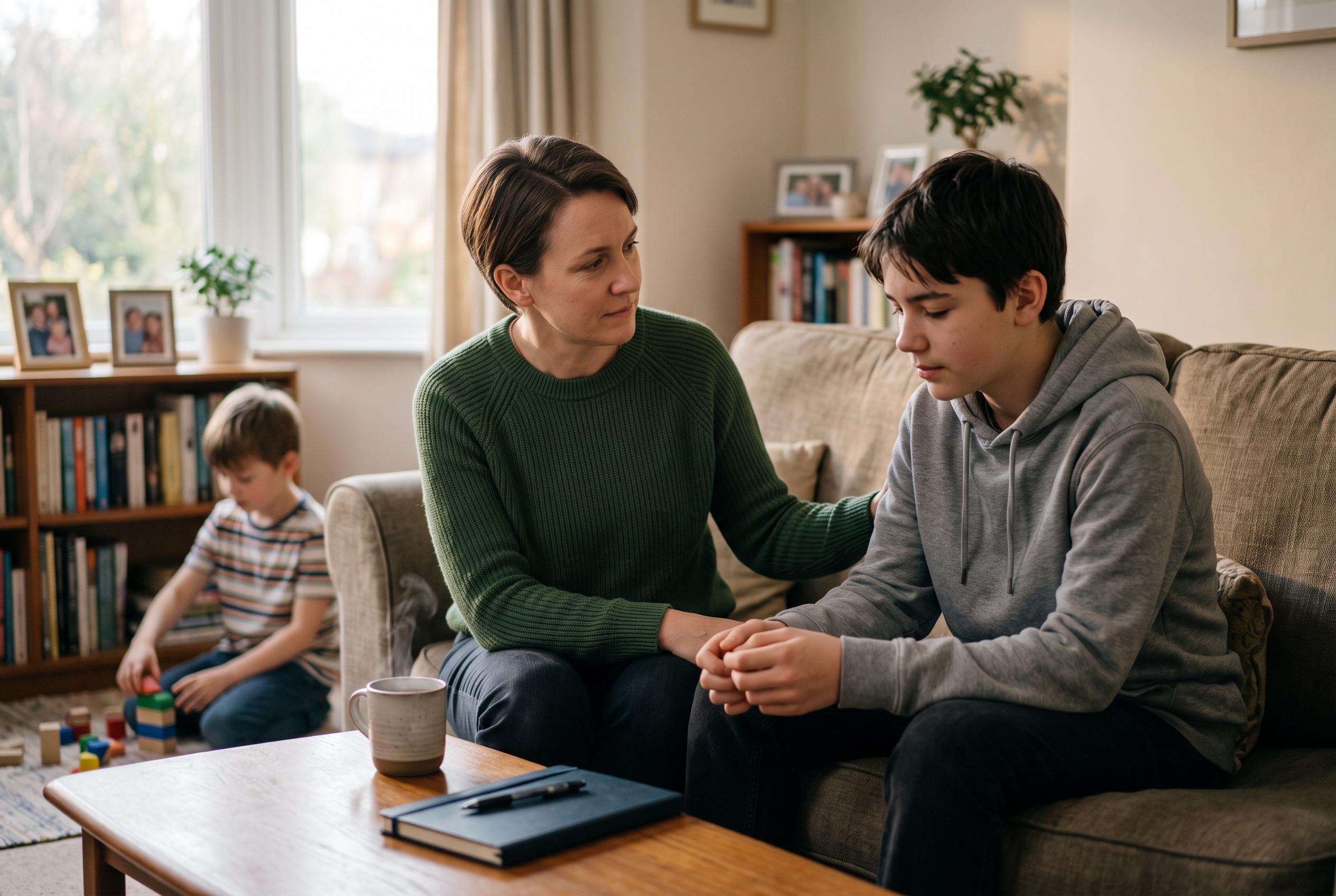

Public health experts emphasise that initiating caring conversations and recognising warning signs are vital in preventing suicide, with tailored approaches across age groups underscoring the importance of listening and providing support.
When someone is struggling with suicidal thoughts, silence can be part of the danger. Public health data suggest that a meaningful share of people in that position would tell no one, or are unsure whom they could trust enough to confide in, which is why a simple, caring conversation can matter. The National Institute of Mental Health says asking directly, staying with the person and helping connect them to support are key steps, while the Centres for Disease Control and Prevention notes that suicide remains a major cause of death across age groups in the United States.
The hardest part for many friends and relatives is not knowing what to say. Mental health organisations advise beginning with what has been noticed, then asking an open, non-judgemental question such as whether the person is doing all right. Samaritans and Cigna Healthcare both recommend a private setting, calm language and active listening rather than quick reassurances or attempts to solve everything at once. If the situation feels urgent, direct questions about suicide are appropriate and do not place the idea in someone’s mind.
Warning signs can look different from one person to another. Depression may show up as irritability, withdrawal, fatigue, changes in sleep or appetite, and a loss of interest in everyday life. Signs that should raise concern include reckless behaviour, sudden mood swings, increased alcohol or drug use, and talk of death, hopelessness or being a burden to others. Health experts also distinguish between passive suicidal ideation, in which a person may think about death without a plan, and active suicidal ideation, which involves planning and can require immediate intervention.
Age can shape the way distress appears. Teenagers may be more likely to seem withdrawn, angry or distracted, while adults can hide suffering behind work, family duties or substance use. Older adults may show less obvious warning signs, and factors such as bereavement, loneliness, illness, pain and cognitive decline can increase risk, according to the National Council on Aging. For that reason, the same basic approach applies across age groups: ask, listen and keep the door open.
If someone says they have a plan, appears in immediate danger or may act soon, experts say not to leave them alone and to reduce access to anything they could use to harm themselves. In the United States, help is available by calling or texting 988, the Suicide & Crisis Lifeline. The broader lesson, as behavioural health specialist William Beecroft argues in the lead article, is that people need to hear there are alternatives and that support exists; for many, that message can be the first step away from crisis.
Disclaimer: This content is for informational purposes only and is not intended to be a substitute for professional medical judgment, advice, diagnosis, or treatment.