
University of the West Indies has gained international acclaim after two of its researchers were named 2026 Yidan Prize laureates for their work on Reach Up, an innovative early childhood intervention now spreading across 21 countries to improve outcomes for vulnerable children.
The University of the West Indies has won international recognition after two of its researchers were named among the 2026 Yidan Prize laureates for Education Development, a distinction often described as the world’s largest education award. Professor Susan P. Walker and Dr Susan M. Chang-Lopez, both of the university’s Caribbean Institute for Health Research, were honoured alongside Professor Sally Grantham-McGregor of University College London for their work on Reach Up, an early childhood intervention aimed at children from birth to age four.
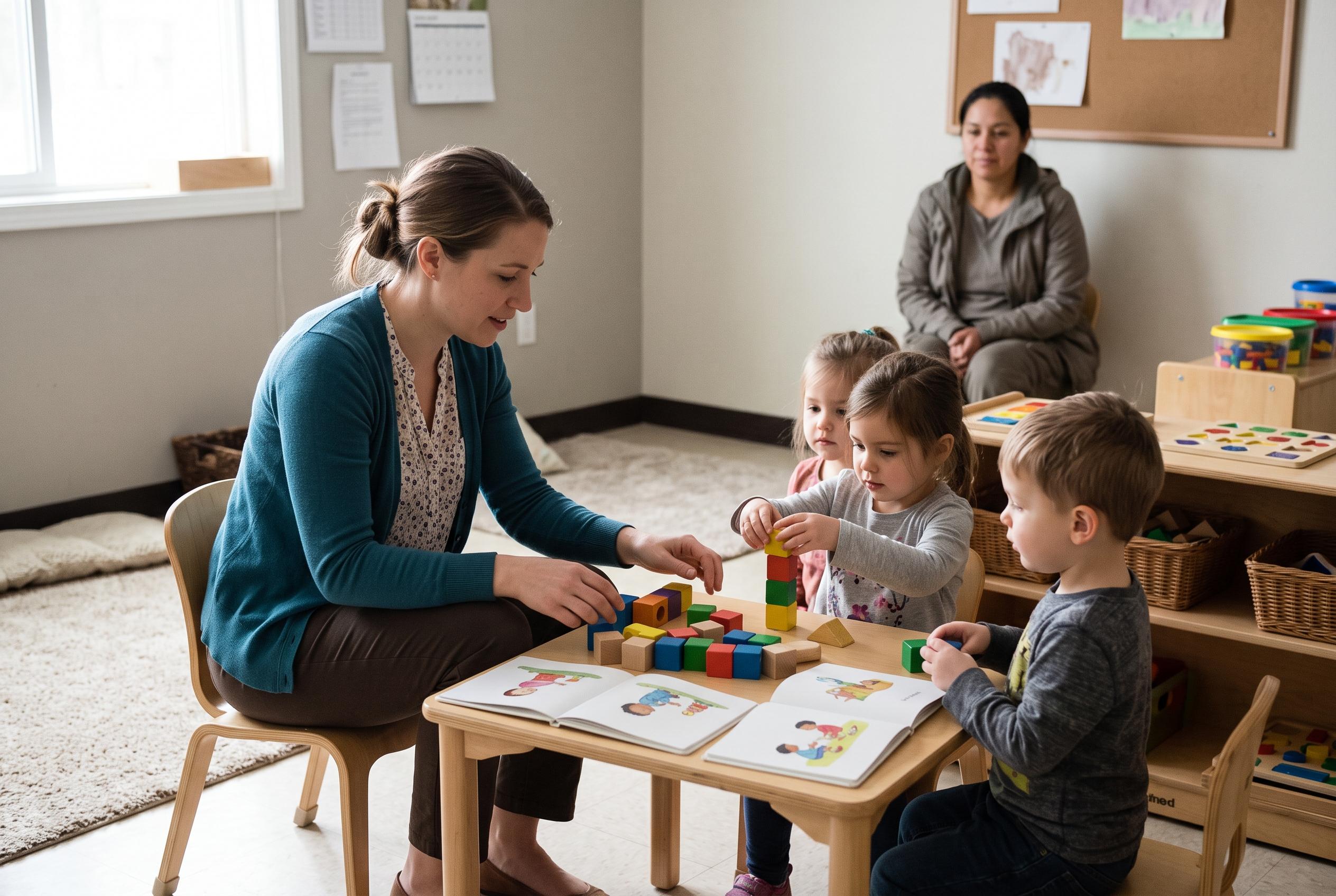
According to the Yidan Prize Foundation, the programme is built on evidence gathered through research on how to improve the development of young children growing up in disadvantaged settings. Reach Up centres on low-cost activities that caregivers can use in everyday life, encouraging talk, play and responsive interaction as a way to strengthen cognitive, language and social development. The approach was designed to be practical, scalable and adaptable across different communities.
The programme has since moved well beyond its Caribbean roots. The University of the West Indies said Reach Up is now being used in more than 21 countries across the Caribbean, Latin America, Africa, Asia and the Middle East, with delivery through health, education, social protection and humanitarian systems. Its materials are freely available, allowing local partners to adapt them to cultural and community needs.
Each laureate will receive HK$30 million, or about US$3.8 million, split between a cash award and an unrestricted project fund. The prize will be formally presented at the 2026 Yidan Prize Summit in Hong Kong in December, underscoring the growing global focus on early intervention as a way to improve outcomes for vulnerable children and reduce inequality from the earliest years of life.
Disclaimer: This content is for informational purposes only and is not intended to be a substitute for professional medical judgment, advice, diagnosis, or treatment.