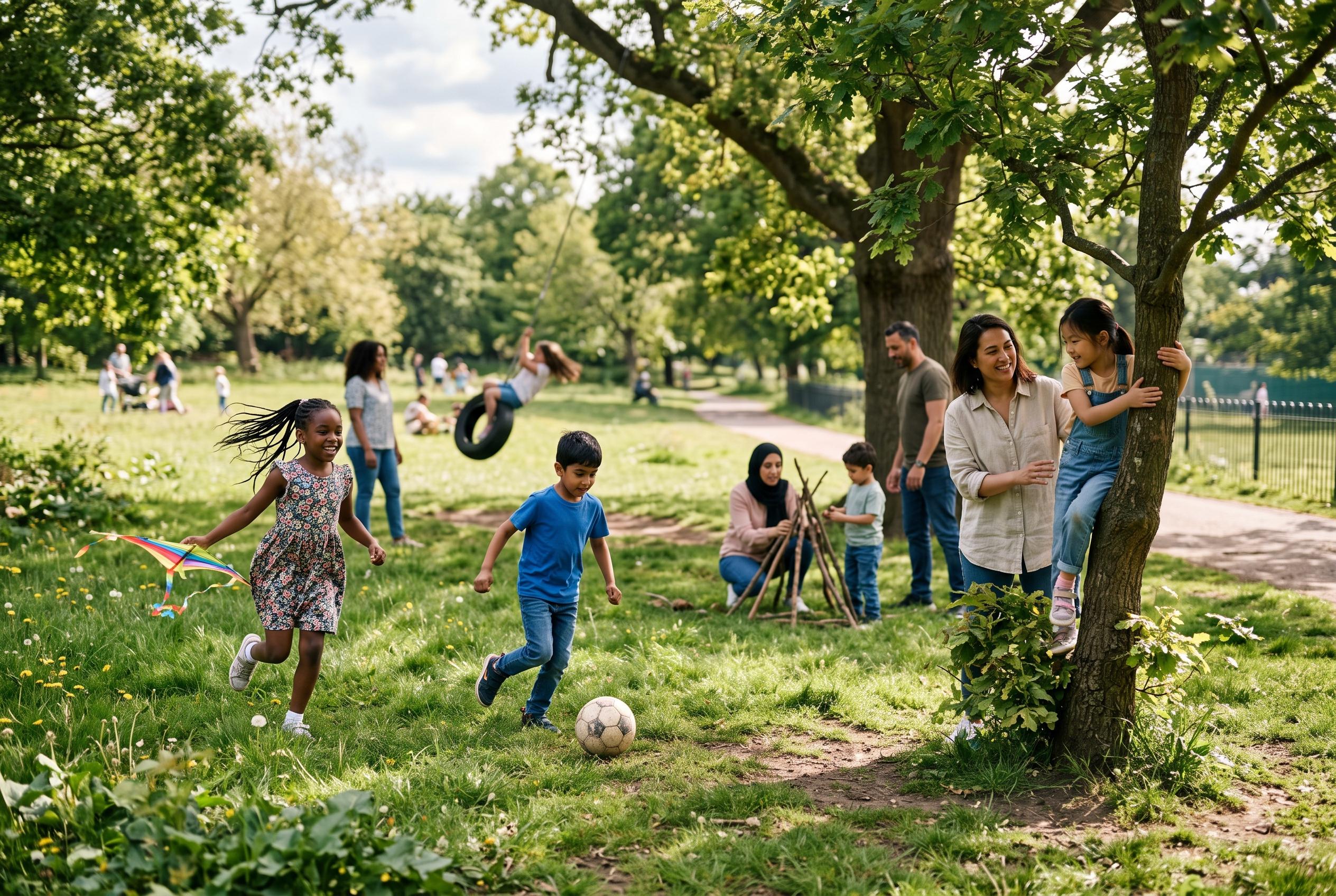

A growing number of parents and paediatric experts are pushing back against early sports specialisation, favouring diverse activities and free play to foster healthier, more well-rounded children amid concerns over injury and burnout risks.
When Rachel Morgan Cautero and her husband had two sons, plenty of people assumed they would steer them straight into high-level sport. After all, she spent four years in the starting line-up for her college soccer team, and he played football at an Ivy League university. Instead, the family has chosen a broader mix of activities, including piano, musical theatre and Cub Scouts, and for now the children, aged six and eight, are not being pushed into an all-sport-all-the-time routine.
That decision reflects a growing concern among paediatric experts about early sports specialisation, the practice of focusing a child on one sport at a young age. Johns Hopkins Medicine says the trend has been fuelled by a larger youth sports industry and parental pressure, but it also carries risks, including overuse injuries and burnout. Research indexed on PubMed has similarly found that early narrowing can bring social isolation, injury and an unhealthy dependence on a single activity.
Free play is another part of the picture. Childcare.gov says unstructured play, meaning child-led and not directed by adults, helps develop creativity, social skills and cognitive growth. In the Cautero household, that means leaving room in the week for neighbourhood games, bikes and scooters rather than filling every afternoon with training sessions. The family’s approach is to let sport be one option among many, not the centre of every spare hour.
The caution is also personal. Cautero writes that years of soccer left her with a long list of injuries, while her husband suffered two concussions that ended his college football career. Cedars-Sinai says early specialisation can raise the risk of overuse injuries, muscle imbalances, burnout and social isolation, while the American Academy of Pediatrics and the American Orthopaedic Society for Sports Medicine have both urged families to avoid putting young children into intense single-sport pathways too soon.
The children do play baseball, but within the more restrained structure of Little League, where rules on pitch counts and equal field conditions are built in. The parents require them to finish a season once they sign up, but they do not insist they return to the same sport if they do not enjoy it. Cautero also points to Norway’s youth sports culture, which emphasises enjoyment over winning and delays scorekeeping for younger children, as a model that still produces elite athletes. Her point is not anti-sport, but anti-pressure: sport can teach discipline, friendship and resilience, but so can music, scouts and free time, and well-rounded children do not have to be future college recruits.
Disclaimer: This content is for informational purposes only and is not intended to be a substitute for professional medical judgment, advice, diagnosis, or treatment.