

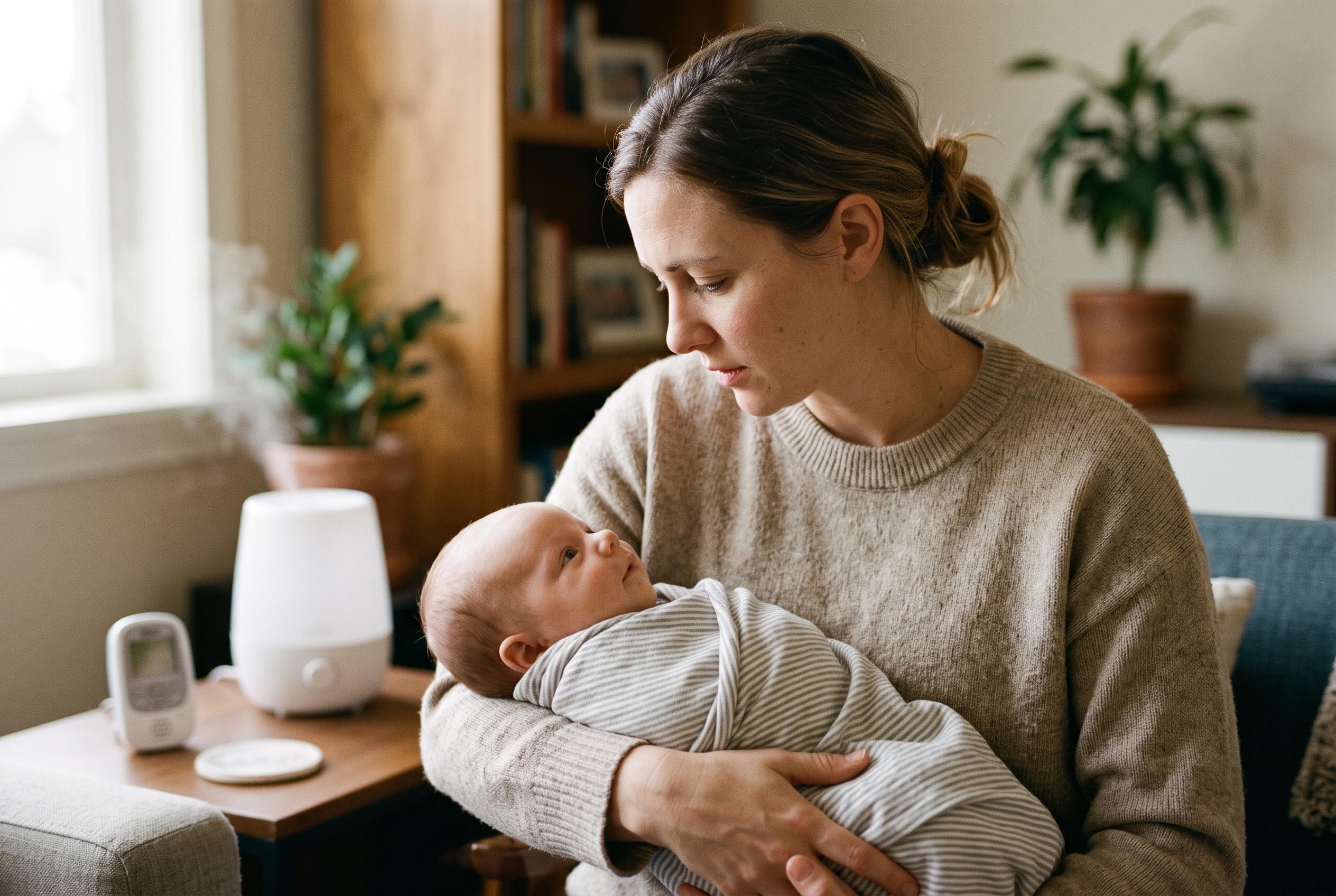

RSV infects almost every child by the age of two, but in babies it can quickly develop into serious breathing problems. Here are the warning signs, prevention measures and medical options parents should know.
Respiratory syncytial virus, better known as RSV, is so widespread that most children will encounter it early in life, yet it remains a virus many parents only learn about when a baby becomes ill. The World Health Organization says RSV is a common cause of infections in the upper and lower airways, and that almost all children will have had at least one infection by the time they reach their second birthday. In infants, though, what begins as a mild illness can develop into a far more serious respiratory problem.
Mayo Clinic describes RSV as a virus that can produce symptoms similar to a cold, including a runny nose, cough and fever, but warns that it is also a leading reason for hospital admission in babies. The American Lung Association says the children most likely to become seriously unwell include premature babies, infants under one year old and children with chronic heart, lung or immune conditions, although severe infection is not limited to those groups. In other words, otherwise healthy babies can also become very sick.
That matters because RSV can progress rapidly into bronchiolitis or pneumonia. The WHO says the virus is responsible for millions of lower respiratory infections in young children worldwide each year, as well as large numbers of hospital admissions and deaths in children under five. In Malaysia, the Motherhood article cites research showing that RSV is a major cause of viral respiratory illness in babies and that many hospitalised cases involve infants who were previously healthy, reinforcing the need for parents to treat early warning signs seriously.
Parents are advised to watch for breathing difficulties, wheezing, poor feeding, fast breathing, chest retractions and bluish lips or fingertips. These signs suggest a baby may be struggling to get enough air and needs urgent medical attention. For milder cases, prevention remains the most practical defence: washing hands thoroughly, cleaning toys and frequently touched surfaces, keeping unwell people away from babies where possible, and maintaining good respiratory hygiene at home.
There are also preventive medical options to discuss with a healthcare professional. The American Lung Association notes that maternal vaccination and preventive antibodies for infants are among the tools now used to reduce the risk of severe RSV disease, while the Motherhood article says Malaysian experts recommend that some babies may still benefit from monoclonal antibodies after six months, even if their mother was vaccinated during pregnancy. For parents, the practical message is simple: RSV is common, but with awareness, hygiene and timely medical advice, its worst effects can often be reduced.
Disclaimer: This content is for informational purposes only and is not intended to be a substitute for professional medical judgment, advice, diagnosis, or treatment.



