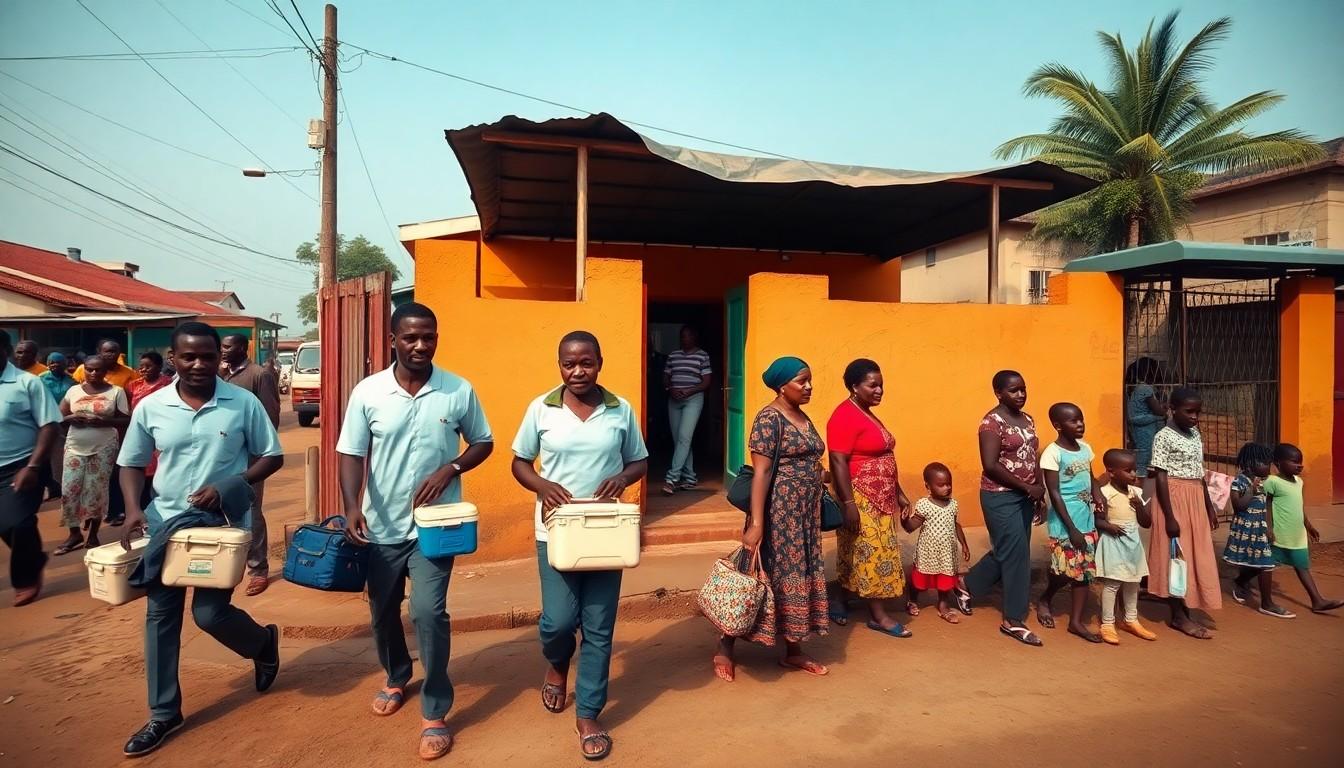

The Biden administration has reinstated $600 million in funding for Gavi, the Vaccine Alliance, amid ongoing debate over the use of thimerosal in vaccines and efforts to phase out the mercury-based preservative in global immunisation programmes.
The Trump administration has restored $600 million in funding for Gavi, the Vaccine Alliance, after the group agreed to speed up its move away from vaccines containing thimerosal, a mercury-based preservative that has long been the focus of criticism from Health and Human Services Secretary Robert F. Kennedy Jr. According to the Washington Examiner, the money had already been approved by Congress and was due to lapse on 30 September, with the aid intended to support childhood immunisation programmes in poorer countries.
The deal follows months of tension over whether Gavi would continue using thimerosal in some of its vaccine supply. The alliance has been working to phase out the preservative in certain products, but the agreement expands those efforts to formulations for hepatitis B, meningitis, pneumonia and other diseases. The administration said manufacturers would need to increase production capacity, countries would have to adopt newer formulations, and Gavi’s board would still need to approve the changes.
Thimerosal has been used mainly in multi-dose vials to prevent contamination and keep costs down in settings where refrigeration and supply chains are limited. Public health researchers have repeatedly said the preservative is safe, and the US Food and Drug Administration has also maintained that position. Even so, Kennedy has continued to argue that it poses risks, including claims that have been rejected by mainstream scientific studies.
The funding freeze had drawn criticism from lawmakers and global health experts, who warned that pulling support from Gavi could weaken immunisation campaigns far beyond the countries directly receiving the aid. Senator Susan Collins, the Maine Republican, pressed Secretary of State Marco Rubio over the issue during a June budget hearing and later said the State Department had agreed to release the money. Gavi said it would make every effort to carry out the changes, while chief executive Sania Nishtar said the restored funding would help protect emergency vaccine stockpiles for Ebola and support work against malaria.
The decision also fits a broader pattern in which the administration has begun restoring some foreign aid and global health programmes after earlier cuts at the start of Donald Trump’s second term. The Washington Examiner reported that the State Department has recently reinstated roughly $2 billion for several major humanitarian and health initiatives, underscoring a partial retreat from the earlier funding crackdown.
Disclaimer: This content is for informational purposes only and is not intended to be a substitute for professional medical judgment, advice, diagnosis, or treatment.