

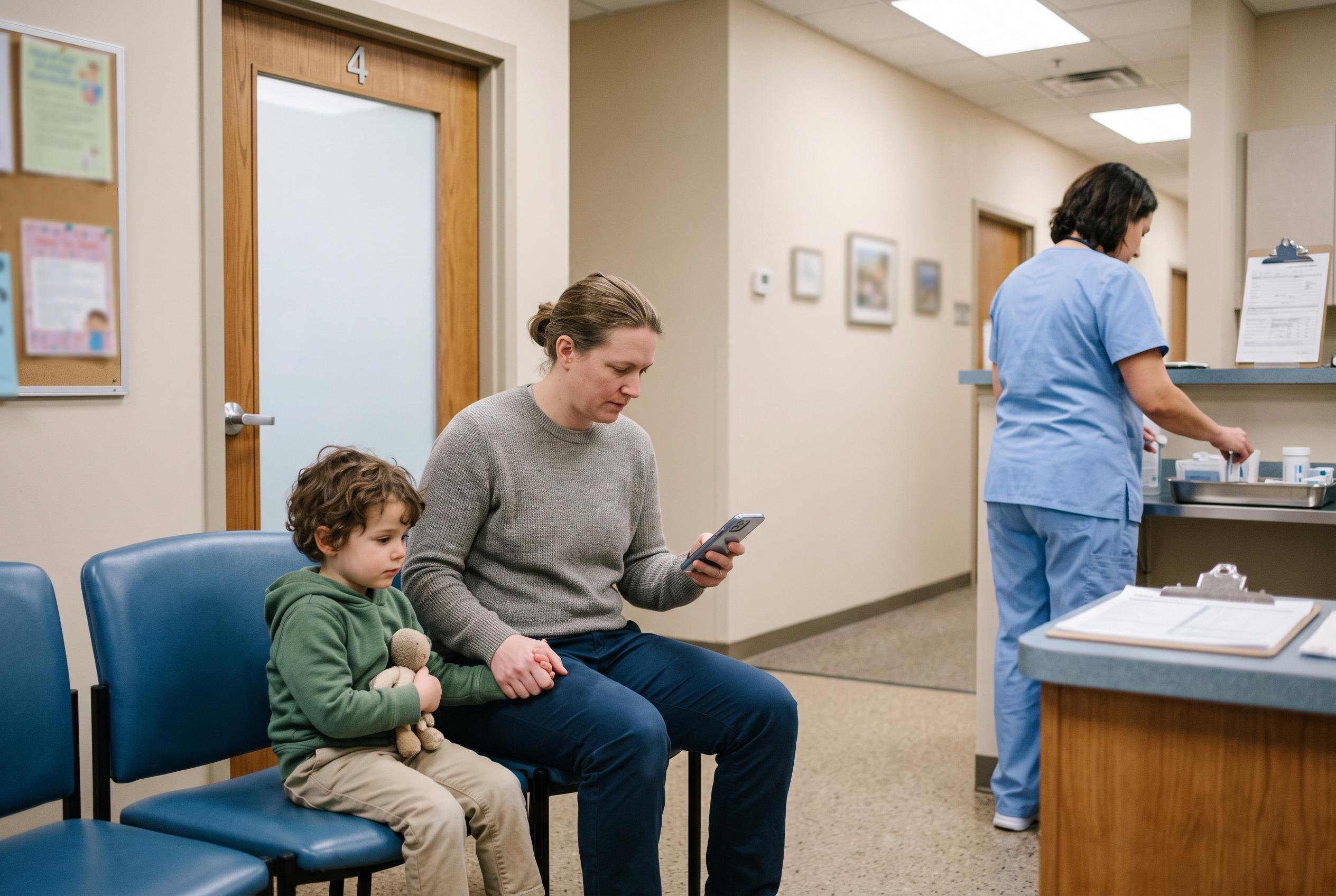

The CDC has resumed vaccine ordering through the Vaccines for Children programme, ending nearly a month of supply uncertainty, ensuring vulnerable children can access free COVID-19 immunisations for the upcoming season.
States can now access updated coronavirus vaccines through the federal Vaccines for Children programme after a delay that had left the season’s supply in limbo for nearly a month, according to an email obtained by The Washington Post. The message, sent shortly before 5 p.m. by a CDC official, told partners in the programme that COVID-19 vaccine ordering for the 2026-27 season was open and that requests were no longer being filled for last season’s doses.
The Vaccines for Children programme, created in 1994, is designed to make sure children whose families cannot afford immunisations can still receive recommended shots on time. The CDC says it provides free vaccines to eligible children, including those who are uninsured, enrolled in Medicaid, American Indian or Alaska Native, or underinsured, meaning their health cover does not pay for all recommended vaccines.
The programme is important because it reaches nearly half of children in the United States and is a major route by which states obtain vaccines for low-income families. The CDC says the initiative reduces financial barriers, supports timely vaccination and strengthens public health by improving access to immunisation for children who might otherwise miss recommended doses. In the case of COVID-19, the agency recommends vaccination for people aged six months and older, and says the shots help protect against severe illness, hospitalisation and death.
The ordering restart follows a period of uncertainty after The Washington Post reported earlier on Wednesday that supply was expected to begin moving again as soon as Wednesday or Thursday. CDC vaccination pages also show the agency continues to track COVID-19, flu and RSV vaccination trends through national surveys and jurisdiction-level dashboards, underscoring the wider effort to monitor coverage and identify groups with lower uptake.
Disclaimer: This content is for informational purposes only and is not intended to be a substitute for professional medical judgment, advice, diagnosis, or treatment.



