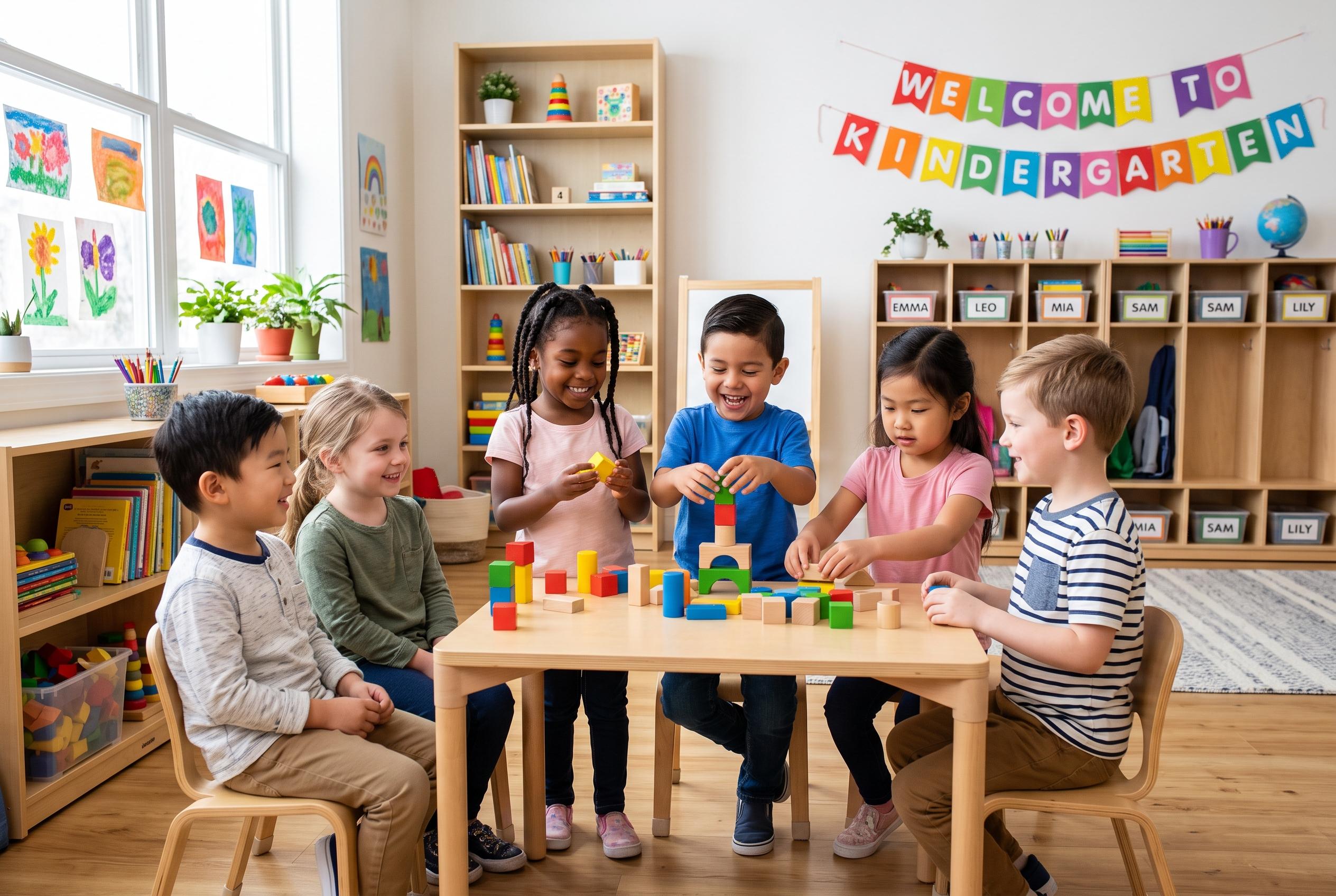

Vaccination coverage among U.S. kindergarteners has fallen again, raising concerns over increased vulnerability to measles and other preventable diseases as outbreak numbers climb and exemptions rise.
Vaccination coverage among U.S. kindergarteners has slipped again, with the latest CDC figures showing declines across every reported routine vaccine in the 2024-25 school year. That may sound like a statistic for health officials, but for parents it has a very everyday meaning: the more children who miss their shots, the easier it becomes for infections to move through classrooms, playdates and busy households. According to CDC data, coverage has fallen from around 95% before the pandemic to roughly 92% to 93%, while exemptions for one or more vaccines have edged up to 3.6%.
For families, the practical risk is not abstract. The CDC says roughly 138,000 kindergartners were exempt from at least one required vaccine last school year, and 17 states reported exemption levels above 5%. That matters because measles in particular spreads quickly in close-contact settings. Public health officials say a community generally needs about 95% coverage to keep that virus from finding enough unprotected children to circulate widely.
The timing is troubling. Measles activity in the U.S. remains elevated, with more than 2,300 confirmed cases reported by late July this year, according to national updates cited by the American Hospital Association. Most cases have been linked to outbreaks, and the vast majority have involved people who were unvaccinated or whose status was unknown. Health officials also note that the disease has already caused deaths in recent years, including among children during the West Texas outbreak, underscoring that what starts as a school health form can quickly become a household worry.
For parents trying to stay on top of immunisations, the message is straightforward: keep records current, check whether a child is due or overdue, and speak with a clinician promptly if illness symptoms appear or if catch-up vaccination is needed. The goal is not simply compliance with school rules, but a calmer routine at home, fewer missed days of work and school, and a stronger shield around younger siblings or children with weaker immunity. In a year when measles numbers have continued to climb, that routine is doing more than ticking a box; it is helping keep children in class and families on steadier ground.
Disclaimer: This content is for informational purposes only and is not intended to be a substitute for professional medical judgment, advice, diagnosis, or treatment.