


Japanese researchers find that wastewater testing can predict whooping cough outbreaks up to 10 weeks before clinical cases rise, highlighting a promising tool for early public health intervention.
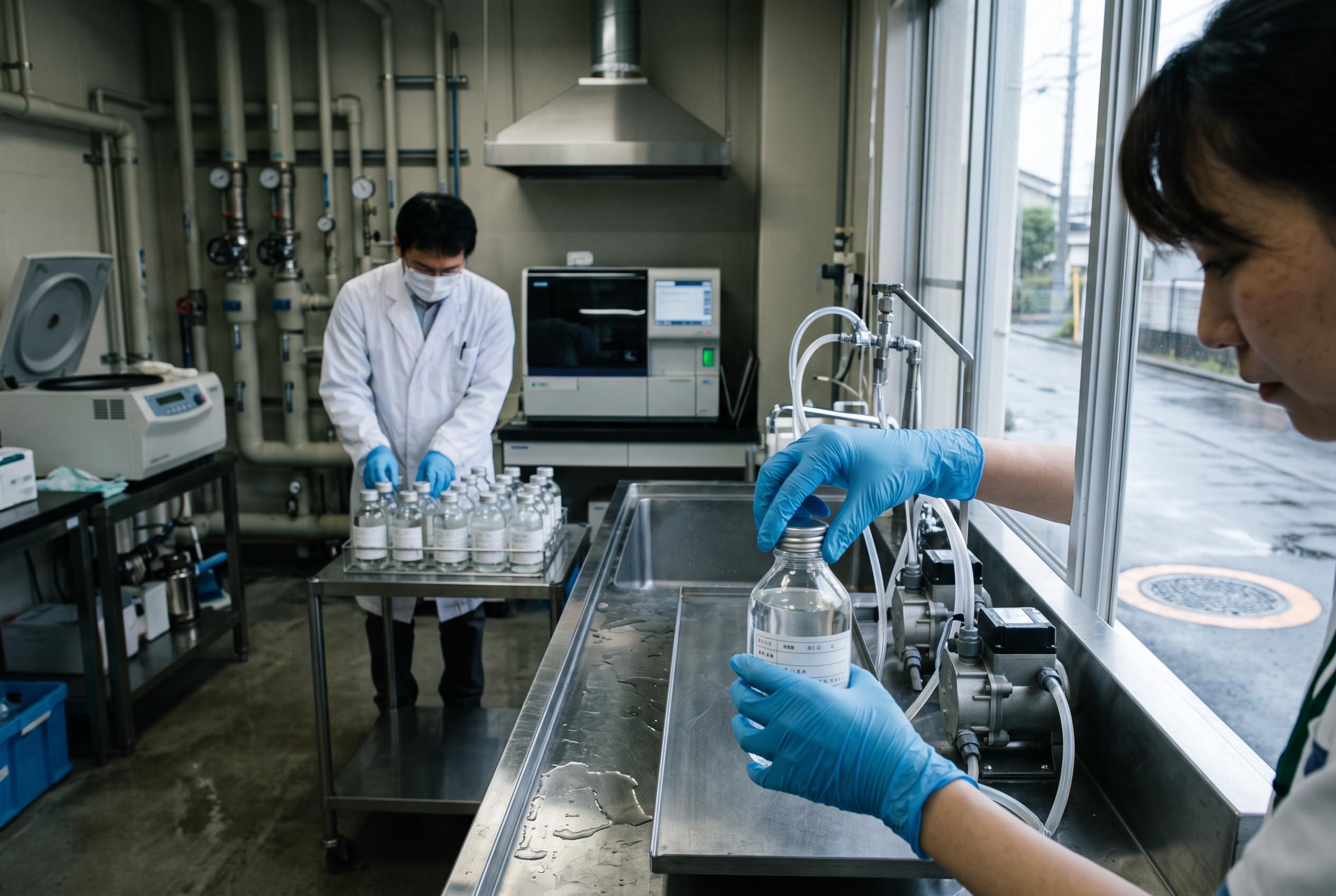
Wastewater testing may offer health officials an earlier glimpse of whooping cough outbreaks than clinic-based reporting alone, according to Japanese researchers who tracked sewage in Osaka Prefecture for more than two years. The team found that genetic traces linked to pertussis appeared in wastewater before reported case numbers began to climb, suggesting sewage monitoring could become a useful supplement to routine disease surveillance.
The research, carried out by scientists at Osaka University and the Osaka Institute of Public Health, involved weekly sampling from four treatment plants between April 2023 and July 2025. The samples were tested for genetic markers associated with Bordetella pertussis, the bacterium that causes whooping cough, and Bordetella parapertussis. In the main analysis, the wastewater signal turned upwards about 10 weeks before case reports rose, although other analyses produced lead times of between four and 16 weeks.
That kind of advance warning matters most for infants, who are not yet fully vaccinated and face the greatest risk of severe illness, and for public health teams trying to spot transmission before it accelerates. Dr Daisuke Motooka of the University of Osaka said wastewater surveillance can provide a broader view of infection in a community because it does not rely on people seeking care or being tested. He said that approach may also capture mild or asymptomatic infections that do not show up clearly in clinic data.
Public health agencies have increasingly described wastewater as a practical early-warning tool for infectious disease trends. The Centers for Disease Control and Prevention says wastewater data can give communities a local picture of what is circulating, even when people have no symptoms or do not seek medical attention. The agency’s National Wastewater Surveillance System already tracks a range of infections in the United States, including respiratory viruses such as influenza, Covid-19 and RSV, as well as emerging threats such as measles and avian influenza. The Osaka findings, published in Emerging Microbes & Infections, add pertussis to the growing list of diseases for which sewage monitoring may help officials move from reacting to outbreaks to anticipating them.
Disclaimer: This content is for informational purposes only and is not intended to be a substitute for professional medical judgment, advice, diagnosis, or treatment.



