

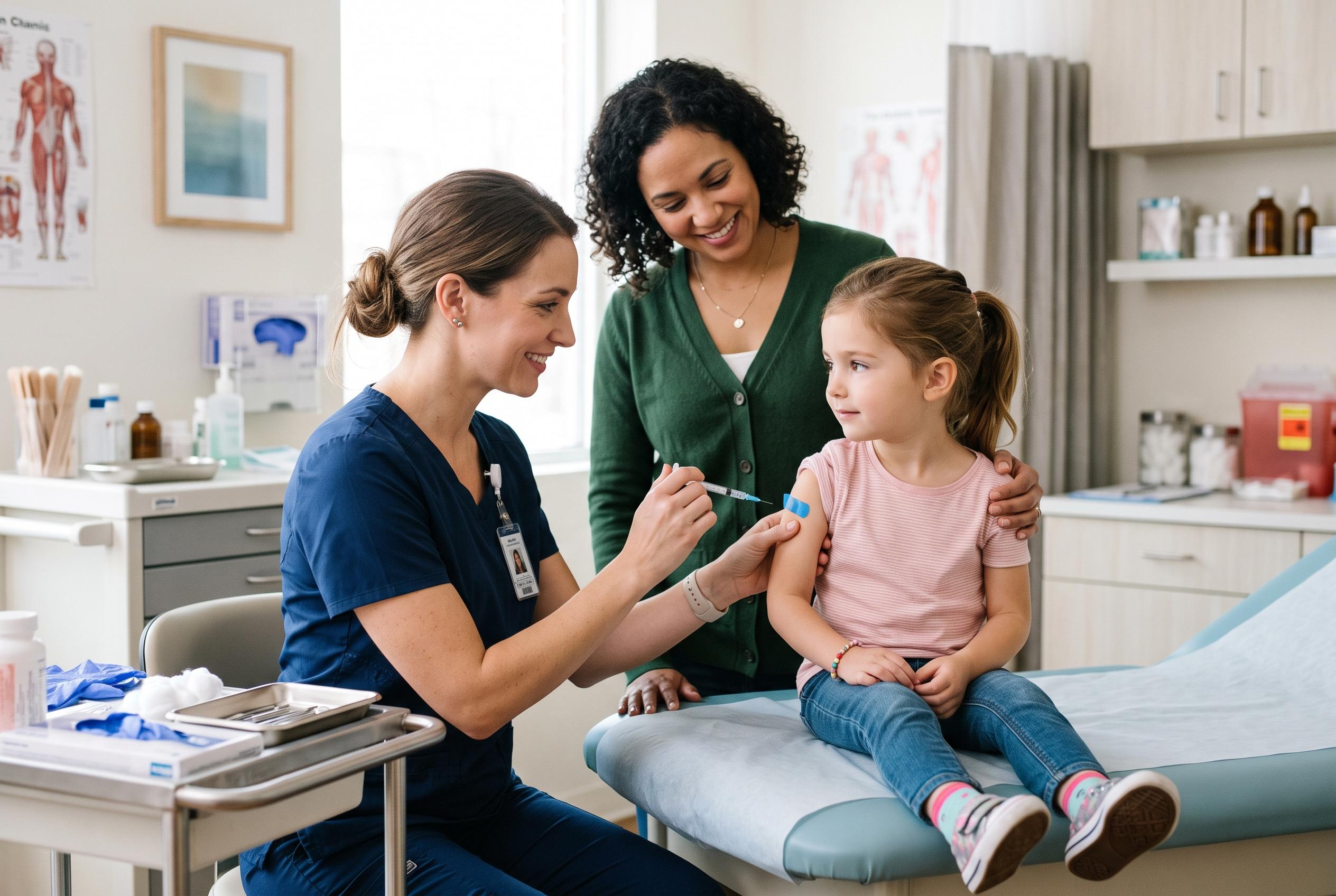

Global advisers are calling for countries to add a third inactivated polio vaccine dose and consider extra doses during prolonged outbreaks, with hexavalent vaccines seen as a way to improve coverage.
Global polio experts have endorsed a push to strengthen use of inactivated polio vaccine, or IPV, in both routine childhood immunisation and outbreak response, arguing that current two-dose schedules leave too many children underprotected as the epidemiology of polio continues to shift. According to the World Health Organisation and the Global Polio Eradication Initiative, the latest advice from the Strategic Advisory Group of Experts on Immunization, known as SAGE, is aimed at improving immunity to all three poliovirus types while giving programmes a more practical way to reach children who are already coming through the system.
The first change is to routine vaccination. SAGE says countries that still give fewer than three IPV doses should move without delay to a three-dose infant schedule, with the third dose preferably delivered through a hexavalent vaccine. That combined shot includes protection against polio, diphtheria, tetanus, pertussis, haemophilus influenzae type b and hepatitis B. The advisory group also recommends that if a poliovirus outbreak continues for more than six months after an initial IPV dose used in response, a second fractional or full dose may be considered to help reinforce mucosal immunity, the protection in the lining of the gut that helps block onward transmission.
The scientific case for the change, as presented by the WHO and Gates Foundation authors behind the evidence review, is that IPV remains the only routine vaccine protection against type 2 poliovirus, which is also the most common strain seen in variant outbreaks. Modelling cited by the authors suggests that median type 2 immunity among children under five was about 60% in 2025 and would rise only to around 70% by 2031 if countries kept to a two-dose schedule, still below the roughly 80% level generally considered necessary to sustain protection against transmission. By contrast, switching to three doses is estimated to increase IPV-derived immunity substantially, with the biggest gains expected in high-risk settings such as Nigeria, the Democratic Republic of the Congo, Pakistan and Chad.
The case for hexavalent vaccine is as much operational as epidemiological. Public health specialists say combining antigens into a single injection can cut the number of clinic visits, reduce dropouts and improve completion of the full schedule, while also lowering delivery costs. Gavi, the Vaccine Alliance, is expecting about 40 eligible countries to switch to hexavalent vaccines during its 6.0 funding period, and Mauritania and Senegal have already begun rollout. The alliance has previously funded standalone IPV doses and now supports hexavalent introductions under its co-financing policy, with prices for hexavalent products expected to move closer to those of pentavalent vaccines plus IPV by 2029.
The picture is more complicated in countries where poliovirus remains entrenched. The authors say Afghanistan and Pakistan should benefit from earlier and stronger protection if three IPV doses are given in the first months of life, but they also note that most children affected by wild poliovirus type 1 since March 2022 had received no IPV at all. That means stronger recommendations alone will not solve the problem unless routine services reach far more children. In outbreak settings, the updated guidance is intended to make IPV easier to use alongside oral polio vaccine when that can be done without slowing the response, though researchers still say more evidence is needed on how well repeated IPV or fractional IPV doses boost mucosal immunity in younger children.
SAGE endorsed the recommendations in October 2026, and the next phase will depend on national planning. According to the WHO and GPEI authors, countries considering a move to hexavalent vaccines will need forecastting, procurement and rollout plans that can take 12 to 18 months to complete. The addition of a second IPV dose in persistent outbreaks is expected to come into play sooner, through the standard operating procedures used by regional and national response teams. For now, officials say the central message is unchanged: bOPV remains part of routine immunisation, but the IPV component now needs to be strengthened if eradication efforts are to keep pace with where the virus is circulating.
Disclaimer: This content is for informational purposes only and is not intended to be a substitute for professional medical judgment, advice, diagnosis, or treatment.



