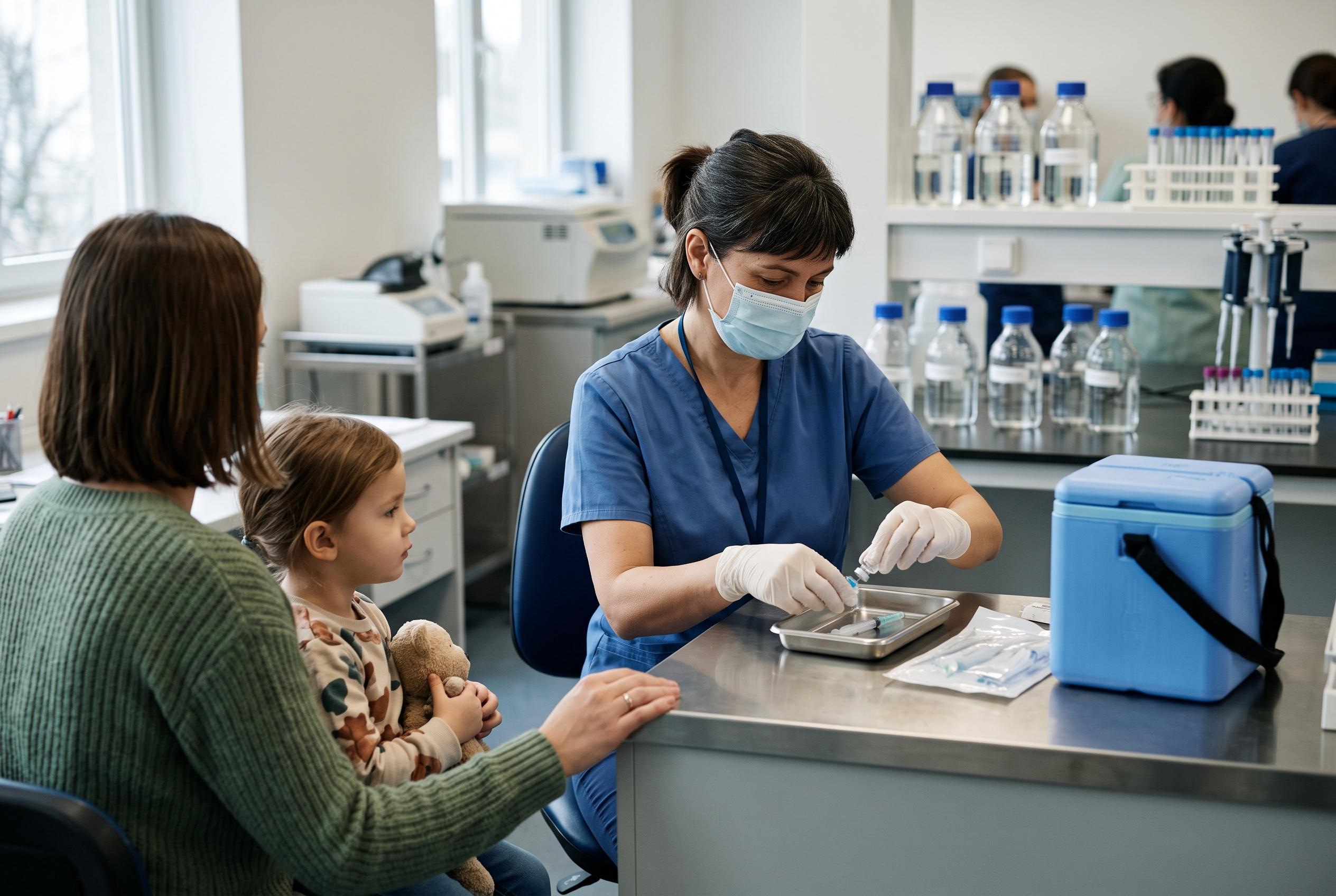

Romania’s insufficient vaccination coverage could lead to a polio outbreak, as sewage testing across Europe indicates circulating poliovirus, raising alarms over the need for strengthened immunisation efforts.
Romania’s low vaccination coverage could leave the country dangerously exposed to a return of poliomyelitis, according to Simin-Aysel Florescu, head of the Victor Babeş Infectious Diseases and Tropical Hospital in Bucharest. In remarks carried by Cotidianul, Florescu warned that if immunisation rates remain weak, the consequences could be severe and long-lasting, especially for children, because polio can cause permanent paralysis and there is no cure once infection takes hold.
Her warning comes against a wider European backdrop in which public-health agencies have been tracking poliovirus in sewage as an early sign of possible spread. The US Centres for Disease Control and Prevention says wastewater testing is a well-established surveillance tool that can reveal importations of poliovirus, help authorities map the size of an outbreak and guide targeted vaccination campaigns. The European Centre for Disease Prevention and Control and the World Health Organisation have also said recent detections in wastewater across parts of Europe underline the importance of maintaining high vaccine coverage and strong surveillance.
Germany has been among the countries affected by those alerts. According to Euronews, traces of poliovirus were detected in Hamburg’s sewage, prompting renewed concern even though no paralytic cases have been reported there. The ECDC said in late 2024 that poliovirus had been found in sewage samples in Finland, Germany, Poland, Spain and the United Kingdom, marking the first time circulating vaccine-derived poliovirus type 2 had been detected in environmental surveillance across the EU and EEA. WHO Europe said those detections showed why vaccination remains essential even in places with strong monitoring systems.
Florescu argued that Romania’s situation would be far more precarious if a virus were introduced into communities with low uptake of routine childhood vaccines. She said an outbreak could overwhelm the health system because infectious intestinal diseases require isolation and dedicated care, while a highly contagious virus can move quickly through unvaccinated groups. Her comments also reflect a broader public-health concern highlighted in research on vaccine-preventable diseases in Romania, where gaps in coverage have already helped fuel outbreaks of other infections such as measles.
Disclaimer: This content is for informational purposes only and is not intended to be a substitute for professional medical judgment, advice, diagnosis, or treatment.